
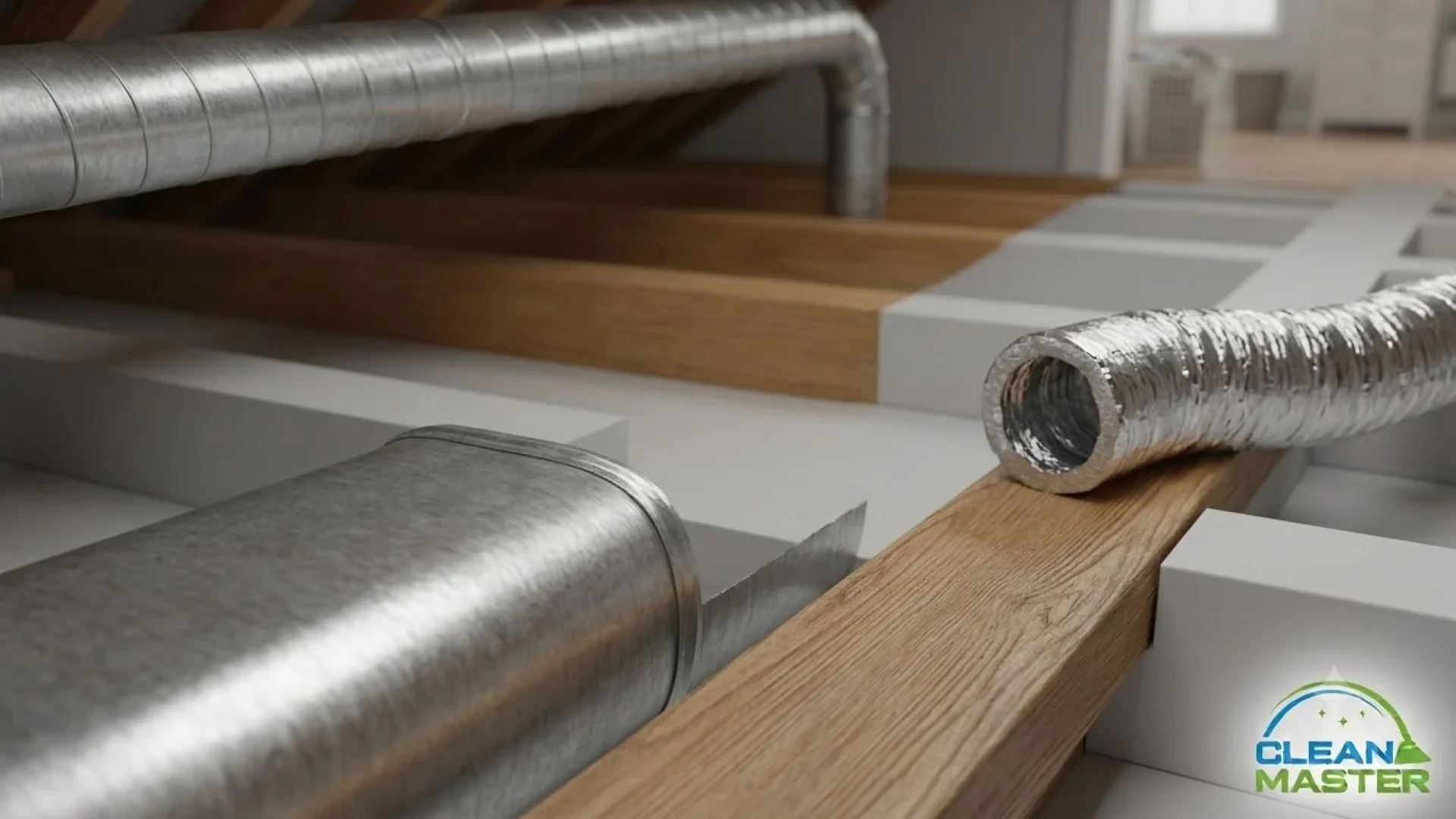
Air duct replacement is one of the larger home HVAC investments a DFW homeowner can make, and one of the more frequently recommended when cleaning or repair might actually be sufficient. Before committing to a replacement budget, understanding what drives the cost and what genuinely warrants replacement versus what can be addressed more affordably puts you in a much better position to make the right decision.
At Clean Master Carpet Cleaning, air duct cleaning is one of our core DFW services. We’re not duct replacement contractors, but we regularly assess duct systems and see the full range of conditions, from systems that need professional cleaning to systems that genuinely need replacement. Here’s the honest cost guide.
DFW Air Duct Replacement Cost Overview
Duct replacement costs in the DFW market vary significantly based on the factors below, but the general ranges are:
| Replacement Scope | DFW Cost Range |
| Single duct run (one branch) | $300 to $700 |
| Partial replacement (1 to 2 zones or sections) | $1,000 to $3,500 |
| Full system replacement (average home) | $3,500 to $8,000 |
| Full system replacement (large home, rigid metal) | $8,000 to $15,000+ |
These ranges reflect licensed HVAC contractor pricing in the DFW market for supply and return duct systems. They don’t include the air handler or exterior HVAC equipment, just the ductwork distribution system inside the home.
The Factors That Drive Replacement Cost
Duct Material Type
The material used for replacement is the largest single variable in duct replacement pricing.
Flexible duct (flex duct) is the most common and least expensive option. It’s the corrugated, insulated tubing used in most residential DFW construction, particularly in attic-mounted systems. Flex duct is easier and faster to install than rigid options, which reduces labor cost. It’s appropriate for most residential applications when properly supported and connected. Cost: $1 to $3 per linear foot for materials; labor varies by accessibility.
Rigid sheet metal duct is more durable, more efficient (lower resistance to airflow), and more expensive to fabricate and install. It’s the preferred material for commercial applications and for homeowners who want the most durable, highest-performance option. Cost: $5 to $12 per linear foot for materials; higher labor cost due to fabrication time.
Duct board (fiberglass duct board) sits between flex and rigid metal in cost and application. It’s fabricated on-site, offers reasonable thermal performance, and is used in some residential applications. Less common in DFW than flex duct for residential systems.
The material choice affects not just installation cost but long-term performance. Rigid metal ducts don’t sag, don’t compress, and don’t degrade the way flex duct can over 15 to 20 years. For a full system replacement where longevity matters, rigid metal is worth the premium.
Accessibility: Attic, Crawl Space, or Finished Ceiling
Labor is typically 50 to 60% of total duct replacement cost, and nothing affects labor cost more than where the ducts are and how accessible they are.
Attic-mounted systems (most common in DFW residential) are the most accessible. Attic work is labor-intensive due to heat, DFW attics regularly exceed 140°F in summer, but the ductwork is reachable without opening finished surfaces. Attic duct replacement carries standard labor rates.
Crawl space systems are accessible but physically demanding, technicians work in tight, low-clearance spaces. Labor cost is typically 15 to 25% higher than comparable attic work.
Ducts running through finished walls and ceilings significantly increase cost because accessing them requires opening drywall, repairing and repainting after installation. When ductwork runs through finished spaces, labor and associated repair costs can add $500 to $2,000 to the project depending on scope.

Partial Replacement vs. Full System Replacement
The scope decision is where the most significant cost difference occurs, and where replacement is sometimes recommended when a more targeted approach is appropriate.
Partial replacement addresses specific failed sections, collapsed flex duct, disconnected branches, severely degraded sections, while leaving functional ductwork in place. This is appropriate when the majority of the system is in good condition and specific sections have failed.
Full system replacement tears out and replaces the entire duct distribution network. This is appropriate when the system is comprehensively degraded, when significant leakage has been identified throughout, when the layout needs redesign for a home addition or renovation, or when the duct system is approaching the end of its useful life (typically 15 to 25 years for flex duct).
A comprehensive professional inspection before committing to full replacement is worth the investment, it determines whether targeted repair or partial replacement addresses the actual issues at a fraction of the cost.
Replacement vs. Repair vs. Cleaning: What Actually Makes Sense
This is the decision that most significantly affects how much DFW homeowners spend on their duct systems, and the one most worth getting right before committing to replacement costs.
| Situation | Right Approach | Approximate Cost |
| Accumulated dust, debris, and contamination | Professional cleaning | $300 to $600 (Clean Master) |
| Minor leaks at joints and connections | Duct sealing (mastic or Aeroseal) | $500 to $1,500 |
| One or two failed or disconnected sections | Partial repair | $300 to $700 per section |
| Significant section degradation (collapsed flex, major damage) | Partial replacement | $1,000 to $3,500 |
| System-wide failure, end of useful life, or layout redesign | Full replacement | $3,500 to $15,000+ |
The critical distinction between cleaning and replacement: duct systems that are contaminated, accumulated dust, mold, pest debris, don’t need replacement. Professional cleaning removes the contamination while preserving the functional duct structure. Replacement is appropriate when the duct structure itself has failed, not when the interior needs cleaning.
We encounter DFW homeowners who have been quoted full duct replacement when professional cleaning would have addressed the actual issue at a fraction of the cost. A duct system with significant dust and debris accumulation, properly cleaned, performs like a substantially different system, improved airflow, better air quality, and lower HVAC energy consumption.
How Duct Replacement Affects HVAC Efficiency and Energy Bills
When replacement is genuinely warranted, particularly when moving from a degraded, leaking flex duct system to properly sealed rigid metal, the efficiency improvement can be meaningful:
- Reduced leakage, new, properly sealed ductwork eliminates the conditioned air loss that leaking systems produce, which can account for 20 to 30% of HVAC energy consumption
- Improved airflow, undamaged, properly sized ductwork delivers designed airflow to each room, reducing the HVAC runtime needed to achieve setpoint temperatures
- Better room-to-room consistency, replacement that addresses layout inefficiencies improves the uneven heating and cooling that characterizes degraded or poorly designed duct systems
In DFW’s climate, where air conditioning runs for seven to eight months annually, efficiency improvements from a properly designed duct replacement pay back over time. The payback period depends on the severity of the existing system’s degradation and the energy cost differential.
Frequently Asked Questions
How long do air ducts last before needing replacement?
Flex duct has a typical useful life of 15 to 25 years, depending on installation quality and attic conditions. DFW’s extreme attic temperatures accelerate degradation, flex duct in a 140°F attic degrades faster than in milder climates. Rigid sheet metal ductwork can last 30 years or more when properly sealed and maintained. The first sign of flex duct degradation is typically sagging, kinking, or visible deterioration of the outer jacket.
Should I replace ducts or clean them first?
Clean first and assess. Professional duct cleaning often reveals what the actual condition of the ductwork is, contamination removal makes structural issues visible that weren’t apparent before. If the cleaned system performs well, replacement wasn’t needed. If cleaning reveals structural degradation, you have an accurate assessment of what replacement scope is actually required.
Does Clean Master do duct replacement?
Clean Master specializes in professional air duct cleaning across the entire DFW area, not duct replacement, which requires licensed HVAC contractors. We’re often the right first step before replacement is considered, and we can advise on what we observe during cleaning that suggests structural issues worth having an HVAC contractor assess.
The Bottom Line: Know What You’re Solving Before You Replace
Air duct replacement in DFW ranges from $300 for a single repair to $15,000 or more for a full system in a large home with rigid metal. The cost is justified when the duct structure has actually failed, not when the system needs cleaning, sealing, or targeted repair.
The right sequence: professional cleaning first, assessment of actual structural condition, targeted repair or sealing where needed, and full or partial replacement only when the duct structure itself is the problem. Contact Clean Master Carpet Cleaning today for professional air duct cleaning across the entire DFW area and an accurate picture of what your duct system actually needs before committing to replacement costs.