
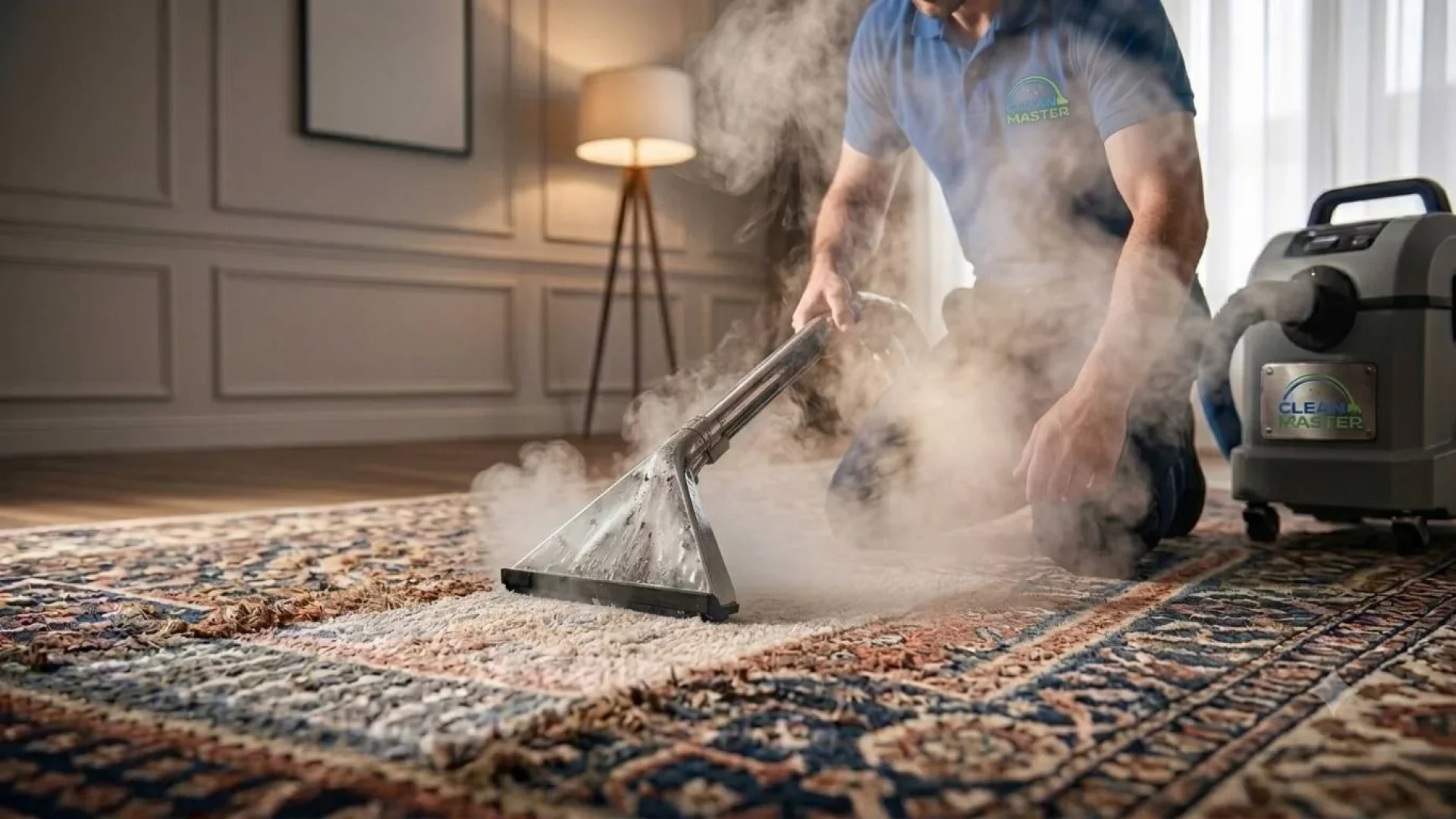
Steam cleaning tile and grout is something a lot of DFW homeowners try, and for the most part, it’s a reasonable maintenance approach. For ceramic and porcelain tile, steam is safe and effective at surface cleaning and sanitizing. For grout, the picture is more nuanced: steam does something useful, but understanding what it doesn’t do is just as important as knowing what it does.
At Clean Master Carpet Cleaning, tile and grout cleaning is one of our core DFW services. Here’s a straightforward breakdown of where steam works, where it falls short, and what the limitations mean for your floor maintenance.
Ceramic and Porcelain Tile: Steam Is Safe
For the tile types found in the majority of DFW homes, ceramic and porcelain, steam cleaning is safe when used correctly. Both materials are dense, fired at high temperatures during manufacture, and resistant to the heat and moisture that steam introduces.
Steam’s benefits on ceramic and porcelain tile are real:
- Sanitizing without chemicals, steam temperatures above 212°F kill bacteria, mold spores, and dust mites on contact, making it effective for bathroom and kitchen tile hygiene
- Loosening surface grime, the heat and vapor soften dried-on soap scum, grease, and surface soiling that mopping alone doesn’t fully address
- No chemical residue, steam leaves nothing behind on the tile surface, which is particularly useful in areas where chemical cleaner residue is a concern
The technique considerations that matter most on ceramic and porcelain:
- Move continuously, holding the steam head stationary on one spot for an extended period concentrates heat unnecessarily. Keep the head moving in even passes
- Use the right attachment, a floor head with a microfiber pad for open tile areas, a narrow nozzle or brush attachment for grout lines
- Wipe as you go, steam loosens surface contamination but doesn’t remove it. Follow each steam pass with a clean microfiber mop or cloth to lift and collect the loosened material before it redeposits as the steam evaporates
We’ve seen DFW clients with ceramic kitchen tile and porcelain bathroom floors get genuinely good results from regular steam cleaning between professional appointments, notably cleaner tile surface and noticeably reduced soap scum and surface grime buildup.
Grout Lines: Steam Helps, But Doesn’t Extract
This is the most important distinction to understand about steam cleaning grout, and the one that creates the most unrealistic expectations.
Steam heat loosens contamination in grout lines, the heat penetrates the porous grout surface, softens embedded oils and soil, and brings it to a more removable state. That part is real and useful. The limitation is what comes next: steam doesn’t extract what it loosens.
Without a simultaneous suction or wiping step, loosened grout contamination either evaporates partially, redeposits in the grout line as the steam cools, or spreads to surrounding tile where it’s collected by the follow-up wipe. The grout looks improved because the surface layer is cleaner, but the deeply embedded discoloration that has accumulated in the pores over months or years isn’t being extracted. It’s being agitated.
The practical implication: steam cleaning maintains grout that’s already in reasonable condition and prevents surface buildup from worsening. It doesn’t restore heavily discolored or stained grout to clean, that requires the pressure and extraction of professional cleaning.
Sealed vs. Unsealed Grout: Different Responses
Whether your grout has been sealed significantly affects how steam cleaning interacts with it.
Sealed grout has a protective barrier that reduces moisture absorption. Steam on sealed grout primarily cleans the surface of the sealant and the grout line above it, the steam doesn’t penetrate meaningfully into the grout itself. This is actually beneficial: sealed grout stays cleaner longer, and steam maintenance keeps the sealed surface clean without much risk to the underlying material.
Unsealed grout is porous and absorbs moisture readily. Steam penetrates more deeply into unsealed grout, which is more effective at reaching embedded contamination, but also means moisture enters the grout structure and needs to dry fully afterward. In DFW’s humid summers, drying time for steam-cleaned unsealed grout in bathrooms or enclosed areas is worth factoring in.

The Risks Worth Knowing
Thermal Shock on Certain Tile Types
Ceramic and porcelain handle steam heat well. Certain other tile types, particularly those with decorative glazing, hand-painted tiles, or older vintage tile, can be more vulnerable to rapid temperature change from concentrated steam contact. If you have decorative, vintage, or specialty tile, test steam in a hidden area before treating the full surface and keep the steam head moving continuously rather than dwelling in one spot.
Natural stone tile, marble, travertine, slate, deserves particular caution. The heat and moisture from steam can open the pores of natural stone, and without proper sealing, moisture infiltration can cause staining or surface changes. Natural stone tile is a case where professional cleaning with appropriate chemistry is a safer choice than DIY steam.
Repeated Steam Use Can Degrade Grout Sealant
Grout sealant, the protective coating applied after professional cleaning, is not designed for sustained, repeated high-temperature steam exposure. Over time, frequent steam cleaning of sealed grout can degrade the sealant layer, reducing its effectiveness and requiring reapplication sooner than the normal 1 to 2-year interval.
For sealed grout, steam cleaning every few weeks is more aggressive than the sealant is designed to handle. Monthly or less-frequent steam maintenance is more appropriate for sealed grout, and the professional re-sealing interval should be adjusted if heavy steam use has been the pattern.
Steam Loosens But Doesn’t Extract
Already covered above, but worth restating as a limitation in its own right: if the floor isn’t wiped thoroughly immediately after steaming, loosened contamination redeposits. The follow-up wipe is not optional, it’s the step that determines whether the steam pass produced a clean result or just moved dirt around.
At a Glance: Steam Cleaning Safety by Tile and Grout Type
| Surface | Steam Safe? | Notes |
| Ceramic tile | Yes | Safe, move continuously and wipe after each pass |
| Porcelain tile | Yes | Safe, same technique as ceramic |
| Natural stone (marble, travertine) | Caution | Risk of moisture infiltration, professional cleaning preferred |
| Decorative and vintage tile | Test first | Thermal shock risk on older glazed surfaces |
| Sealed grout | Yes (with limits) | Don’t steam too frequently, degrades sealant over time |
| Unsealed grout | Yes | Allow full drying time after steam |
When to Call Clean Master Instead
Steam cleaning is a solid tile and grout maintenance tool, for surfaces and frequency levels that match what it’s designed for. When grout has significantly darkened, hasn’t been professionally cleaned in over a year, or needs to be sealed after cleaning, steam maintenance won’t get you there.
Clean Master’s professional tile and grout cleaning uses high-pressure hot water extraction that reaches deep into grout pores, removes embedded contamination that steam loosens but can’t extract, and restores grout to a condition that steam cleaning can then maintain effectively. We also apply professional-grade grout sealer after cleaning, protecting the result and extending the interval before the next professional clean.
We serve the entire DFW area with tile and grout cleaning, carpet cleaning, upholstery cleaning, and air duct cleaning.
Frequently Asked Questions
How often should I steam clean tile and grout?
For sealed grout: once a month or less to protect the sealant layer. For unsealed grout in high-use areas like kitchens and bathrooms: every 2 to 4 weeks is reasonable. In both cases, regular mopping between steam sessions maintains the surface between steam treatments.
Do I need to use cleaning solution with steam on tile?
No, steam works through heat and moisture alone, which is one of its advantages on tile. Adding cleaning solution to a steam cleaner tank isn’t recommended by most manufacturers and can cause machine damage. If a specific area needs chemical treatment, apply the cleaner directly to the tile, allow it to dwell, wipe it off, then steam the surface afterward as a sanitizing and finishing step.
My grout looks the same after steam cleaning. Did it work?
Steam cleaning improves surface-level grout cleanliness and hygiene but doesn’t restore deeply discolored grout. If your grout color hasn’t improved noticeably after steam cleaning, the discoloration is embedded in the grout pores, beyond what steam can reach. That’s the point where professional pressure extraction from Clean Master makes a visible difference.
The Bottom Line: Safe for Most Tile, Useful for Grout Maintenance, Not Restoration
Steam cleaning is safe and effective for ceramic and porcelain tile with correct technique. For grout, it’s a maintenance tool, it keeps reasonably clean grout clean, but it doesn’t restore contamination that’s already embedded. Sealed grout responds well but shouldn’t be steamed too frequently. Natural stone and decorative tile deserve more caution.
For tile and grout that needs restoration rather than maintenance, or for a professional clean followed by sealing, Clean Master Carpet Cleaning is here across the entire DFW area. Contact Clean Master Carpet Cleaning today for professional tile and grout cleaning that goes deeper than any steam cleaner can reach.