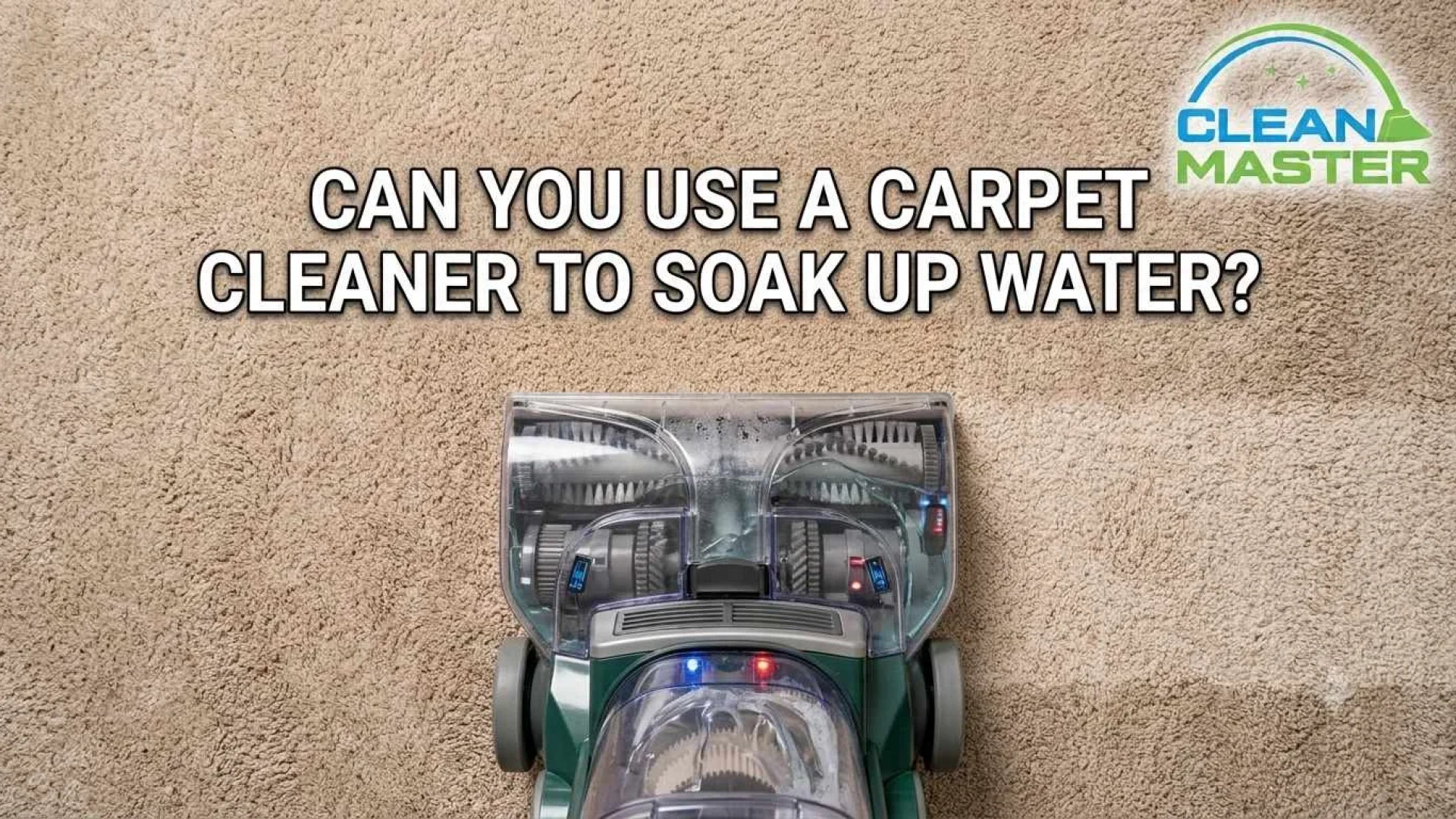
Carpet cleaners are designed primarily for deep cleaning fibers, not for heavy water extraction. They use a combination of water, cleaning solution, agitation, and suction to lift dirt from carpets. While the suction component can remove some moisture, it is limited compared to dedicated water extraction equipment.
Using a carpet cleaner to soak up water may work for small spills, but it is not intended for flooding or significant water buildup. Knowing how these machines function helps prevent misuse and potential carpet damage.
The Difference Between Cleaning and Water Extraction
Cleaning focuses on loosening and removing soil embedded in carpet fibers, while water extraction removes excess moisture from the carpet and padding. Carpet cleaners provide moderate suction designed to recover cleaning solution, not large volumes of water.
Extractors and wet vacuums are built with stronger motors and airflow to pull water from deep layers. Using a standard carpet cleaner for water soaking may leave moisture trapped underneath, increasing the risk of mold and odors over time.
Situations Where a Carpet Cleaner May Be Used
There are limited situations where using a carpet cleaner to soak up water can be acceptable. Small spills, light leaks, or damp areas caused by over-wetting during cleaning can sometimes be managed.
The key factor is the amount of water involved. If moisture is minimal and confined to the surface fibers, a carpet cleaner’s suction may help reduce dampness effectively without long-term issues.
Small Water Spills and Minor Accidents
For minor incidents, such as a tipped water bowl or a small appliance drip, a carpet cleaner can assist in moisture removal. These situations typically involve surface-level wetness rather than soaked padding.
Running the cleaner in suction-only mode, if available, helps pull out excess moisture. However, drying fans should still be used afterward to ensure the carpet dries completely and evenly.
Risks of Using a Carpet Cleaner for Excess Water
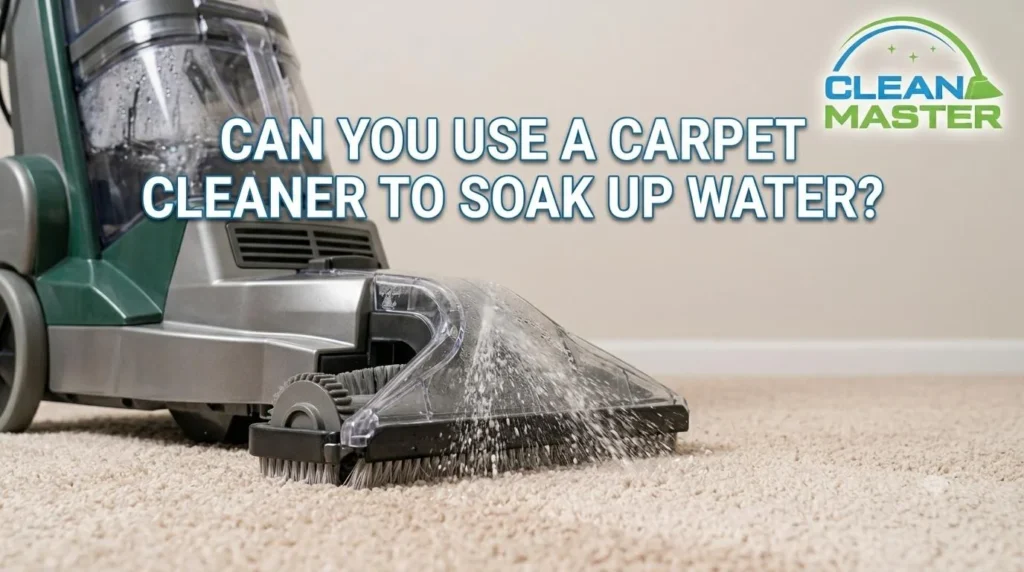
Using a carpet cleaner to soak up large amounts of water carries several risks. These machines are not built to handle standing water or saturated carpets. Overloading the system can damage internal components and reduce suction performance.
More importantly, insufficient water removal can lead to mold growth beneath the carpet surface. Understanding these risks helps homeowners avoid costly repairs and health concerns.
Potential Damage to Carpet and Padding
When carpets become heavily soaked, water penetrates the padding and subfloor. Carpet cleaners lack the power to extract moisture from these deeper layers. Trapped water can cause padding breakdown, adhesive failure, and lingering odors. In severe cases, carpets may need to be lifted for proper drying. Relying solely on a carpet cleaner may give a false sense of dryness while hidden moisture remains.
Better Alternatives for Water Removal
For significant water intrusion, using the right equipment is essential. Wet/dry vacuums and professional water extractors are designed specifically for moisture removal. These tools offer stronger suction and larger recovery tanks, making them safer and more effective. Choosing the correct method protects both the carpet and the underlying structure.
Recommended Tools for Effective Water Soaking
The following options are better suited for water removal:
- Wet/dry vacuums for standing water
- Professional-grade carpet extractors
- Dehumidifiers to control moisture levels
- High-velocity air movers for faster drying
Using these tools together ensures thorough drying and reduces the risk of long-term damage.
Manufacturer Guidelines and Safety Considerations
Most carpet cleaner manufacturers advise against using their machines for water extraction purposes. Operating outside recommended use can void warranties and shorten the machine’s lifespan. Safety is also a concern, as electrical components may be exposed to excessive moisture. Reading manufacturer instructions helps users avoid improper usage and unnecessary repairs.
Why Manufacturer Instructions Matter
Manufacturer guidelines are based on the machine’s design limitations. Carpet cleaners are calibrated for controlled water use during cleaning cycles. When used to soak up water, motors may overheat and filters can clog. Following instructions ensures optimal performance and protects users from electrical hazards or equipment failure.
When Professional Help Is the Best Option
In cases of flooding, burst pipes, or heavy leaks, professional water damage restoration is often necessary. Professionals use industrial-grade extractors and moisture detection tools to ensure complete drying. Attempting to handle severe water damage with household equipment can worsen the situation and increase repair costs.
Signs You Should Call a Professional
Professional help is recommended if:
- Water covers a large carpeted area
- Carpets remain damp after 24 hours
- There is a musty or moldy odor
- Padding or subfloor is saturated
These signs indicate deeper moisture issues that require specialized equipment.
FAQ’s:
Q 1.Can you use a carpet cleaner to soak up water after a spill?
A carpet cleaner can help with small spills, but it is not ideal for soaking up large amounts of water. Its suction is limited and may leave moisture behind, especially in carpet padding. Proper drying methods should always follow to prevent damage.
Q 2.Is it safe to use a carpet cleaner on wet carpets?
Using a carpet cleaner on slightly damp carpets can be safe if done correctly. However, using it on heavily wet carpets is not recommended. Excess moisture can damage the machine and increase the risk of mold growth if water is not fully extracted.
Q 3.What is better than a carpet cleaner for water removal?
Wet/dry vacuums and professional water extractors are better options for water removal. They provide stronger suction and are designed to handle large volumes of water without damaging the equipment or carpet materials.
Q 4.Can using a carpet cleaner cause mold growth?
Yes, if a carpet cleaner fails to remove enough moisture, trapped water can lead to mold growth. This is especially common when padding remains wet. Proper drying with fans and dehumidifiers is essential to prevent this issue.
Final Thoughts:
Using a carpet cleaner to soak up water is only suitable for minor moisture issues. These machines are designed for cleaning, not water extraction, and relying on them for heavy water removal can cause hidden damage. For larger spills or flooding, proper tools or professional services provide safer, more effective results. Understanding equipment limitations helps protect carpets, prevent mold, and avoid unnecessary repair costs.