
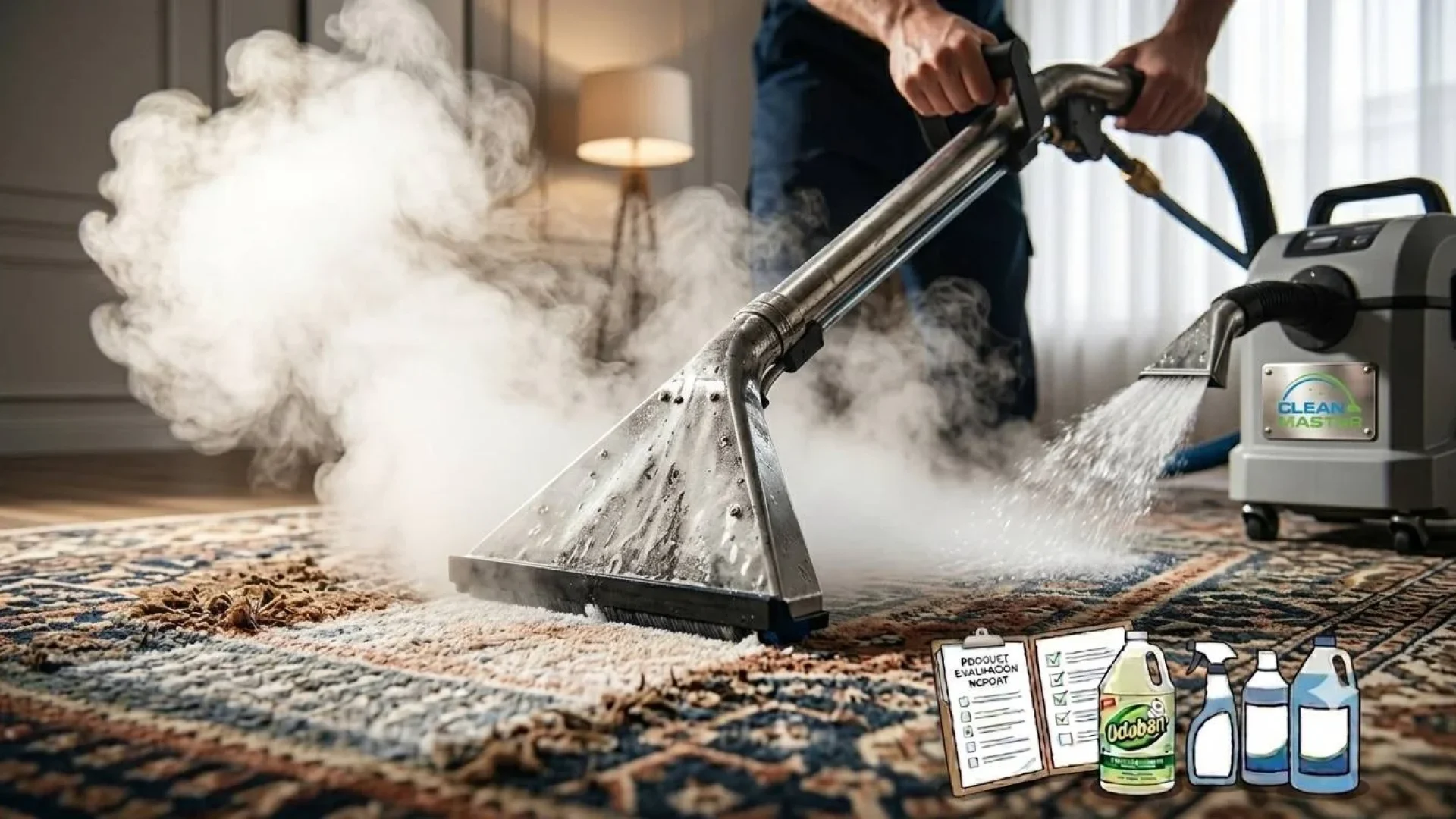
OdoBan is a popular disinfectant and deodorizer, but using it in a carpet cleaner requires caution. While OdoBan is effective at neutralizing odors and killing bacteria on many surfaces, it is not specifically formulated as a carpet shampoo. Using it incorrectly in a carpet cleaning machine may cause residue buildup, excessive foam, or fiber irritation. Understanding proper dilution, carpet compatibility, and machine limitations helps ensure safe and effective use without damaging carpets or equipment.
What Is OdoBan and How Does It Work
OdoBan is primarily designed as a disinfectant, sanitizer, and odor neutralizer. Its formulation targets bacteria, fungi, and odor-causing organisms rather than soil removal.
OdoBan’s Primary Purpose and Ingredients
OdoBan contains antimicrobial agents and fragrance additives designed to eliminate odors at their source. It works by breaking down odor-causing bacteria rather than masking smells. While effective on hard surfaces, sealed floors, and certain fabrics, it does not include surfactants needed for deep carpet soil suspension. This means it may not remove embedded dirt, oils, or debris when used alone in a carpet cleaner, limiting its overall cleaning performance.
How OdoBan Interacts With Carpet Fibers
Carpet fibers are porous and absorb liquids easily. When OdoBan is applied through a carpet cleaner, it penetrates fibers and padding quickly. Without proper rinsing, residues may remain behind, attracting dirt over time. Some synthetic fibers tolerate diluted OdoBan well, while natural fibers like wool may react poorly, leading to discoloration or stiffness. Spot testing is always essential.
Is It Safe to Put OdoBan in a Carpet Cleaner
Safety depends on dilution, machine type, and carpet material. OdoBan should never be poured into a carpet cleaner at full strength.
Proper Dilution and Manufacturer Guidelines
OdoBan must be diluted according to label instructions, typically one to two ounces per gallon of water for carpet applications. Using higher concentrations increases the risk of residue and foam buildup. Many carpet cleaner manufacturers recommend only approved cleaning solutions to protect pumps and seals. Ignoring these guidelines may void warranties or damage internal components.
Potential Risks of Incorrect Use
Using OdoBan improperly can result in sticky carpets, prolonged drying times, and lingering chemical odors. Excess moisture combined with residue may also encourage re-soiling. In extreme cases, overuse can weaken carpet backing or padding, especially when repeated frequently.
When Using OdoBan in a Carpet Cleaner Makes Sense
There are limited situations where OdoBan can be beneficial when used carefully and sparingly.
- Treating pet odor areas after thorough cleaning
- Neutralizing smoke or mildew odors
- Sanitizing high-risk zones after accidents
- Freshening carpets before extraction rinsing
OdoBan should complement, not replace, proper carpet cleaning solutions.
Best Practices for Odor Treatment
Always clean carpets first with a dedicated carpet shampoo. After soil removal, lightly apply diluted OdoBan to odor-prone areas and extract thoroughly. Follow with a clear water rinse to minimize residue. Adequate ventilation helps reduce lingering scent and speeds drying.
Why OdoBan Should Not Replace Carpet Shampoo
OdoBan is not designed to lift or suspend soil particles. Carpet shampoos contain surfactants that break down oils and trap dirt for extraction.
Cleaning vs Deodorizing Functions
Using OdoBan alone may leave carpets looking clean temporarily while dirt remains embedded below the surface. This can cause faster re-soiling and dull appearance. Carpet shampoos address visible and hidden dirt, while OdoBan focuses on odor-causing bacteria.
Long-Term Impact on Carpet Appearance
Repeated use of non-carpet solutions may stiffen fibers or alter texture. Over time, carpets may feel crunchy or appear flat. Using the correct products preserves softness, color, and longevity.
Synthetic vs Natural Carpet Fibers
Synthetic carpets like nylon or polyester generally tolerate diluted OdoBan better. Natural fibers such as wool, silk, or cotton are more sensitive and may discolor or degrade. Always confirm fiber type before application and avoid machine use on delicate carpets.

OdoBan can help with surface odors, but persistent pet or musty smells usually come from the pad and backing underneath. Our carpet cleaning Fort Worth technicians treat those odors at the source with enzyme pre-treatments and hot-water extraction instead of covering them up with fragrance.
More Carpet Care Guides
FAQ’s:
Q 1.Can OdoBan damage my carpet cleaner
Yes, if used improperly. Excess foam or residue can clog pumps and hoses. Always follow dilution guidelines and manufacturer recommendations.
Q 2.Will OdoBan remove pet stains
OdoBan neutralizes odors but does not remove stains. Stains require carpet-specific cleaners before deodorizing treatment.
Q 3.Does OdoBan leave residue on carpets
Residue is possible if not fully extracted or rinsed. Using minimal solution and performing extra suction passes reduces this risk.
Q 4.Is OdoBan safe for homes with pets
When diluted correctly and fully dried, OdoBan is generally safe. Keep pets off treated areas until carpets are completely dry.
Final Thoughts:
OdoBan can be used in a carpet cleaner with careful dilution and proper technique, but it should never replace dedicated carpet cleaning solutions. Its strength lies in odor control and sanitization, not deep soil removal. For best results, clean carpets thoroughly first, then use OdoBan sparingly as a follow-up treatment. This approach protects carpets, equipment, and indoor air quality while effectively managing persistent odors.