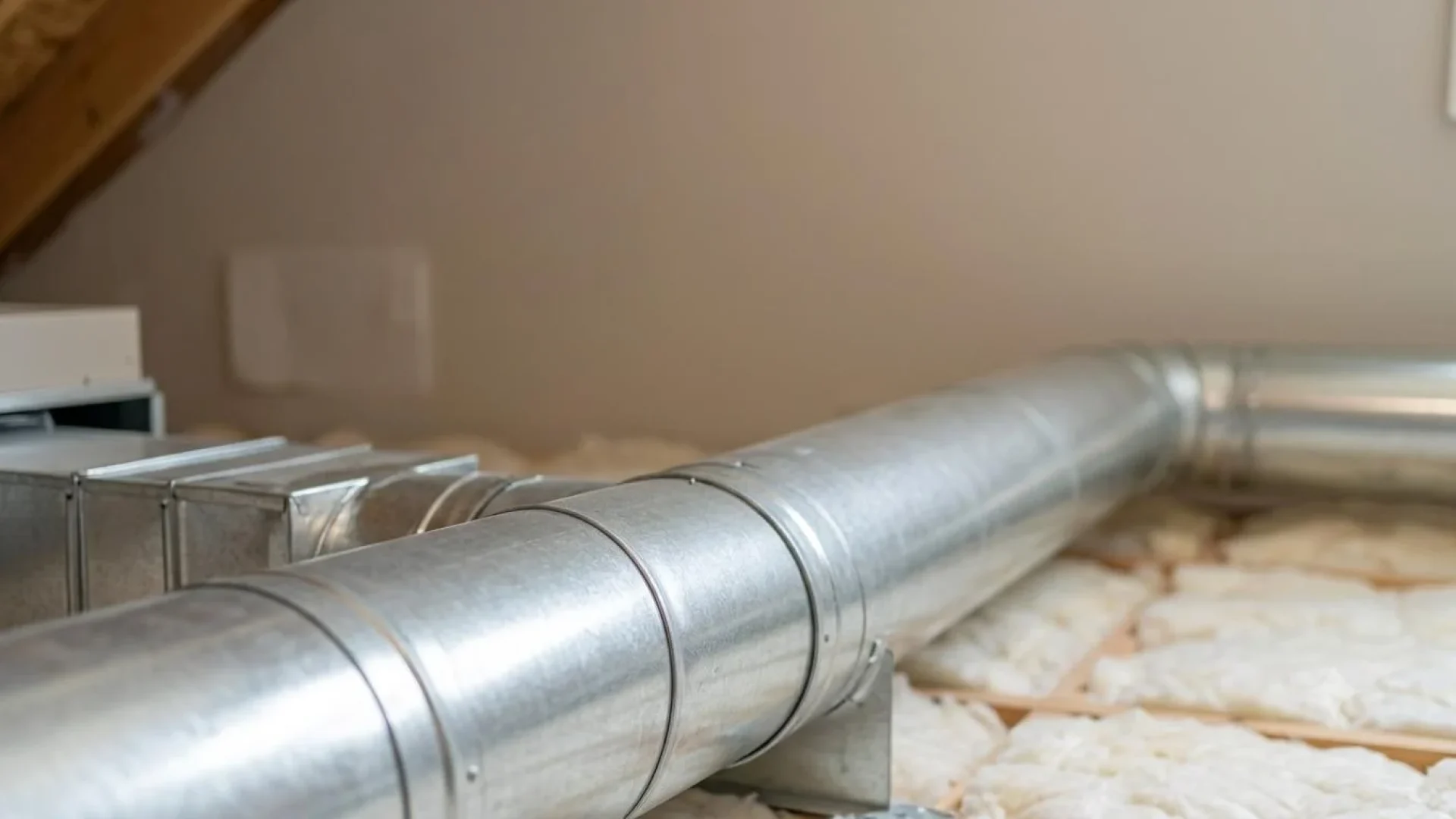
Vacuuming air ducts is one of those home maintenance tasks that sounds either completely obvious or not particularly useful depending on who you ask. The honest answer is somewhere in the middle: vacuuming the accessible parts of your duct system is genuinely worthwhile maintenance, it removes real contamination from the surfaces that matter most to air quality, but it addresses a small fraction of the full duct system and shouldn’t be confused with professional duct cleaning.
At Clean Master Carpet Cleaning, air duct cleaning is one of our core DFW services. Here’s exactly what household vacuuming accomplishes on your duct system, how to do it effectively, where its limits are, and how it fits into a broader duct maintenance routine.
What You Can Actually Vacuum and What It Achieves
Registers and Grilles
This is the highest-impact thing a household vacuum can do for your duct system, and the most consistently neglected. Registers are the grilles covering your supply vents (where conditioned air comes out) and return vents (where air is pulled back to the system). They accumulate dust, pet hair, and debris on both the grille surface and the fins behind it.
A vacuum brush attachment run across the register face removes surface accumulation effectively. For more thorough cleaning, which is worthwhile every 3 to 6 months, unscrew and remove the register entirely, take it to a utility sink, wash with warm soapy water, and allow to dry fully before reinstalling.
The reason this matters: every cubic foot of air your HVAC circulates passes through or past a register. A register coated in dust deposits that dust into the airstream with every cycle and reduces the airflow through that vent. Clean registers deliver cleaner air and better flow, a direct, meaningful benefit from this simple maintenance step.
Accessible Duct Openings Behind Registers
With the register removed, the duct opening is exposed, and the first several inches of duct interior are accessible to a vacuum hose and brush attachment.
Insert the vacuum hose into the duct opening and work it as far as the hose and attachment allow, typically 12 to 18 inches in from the register. Vacuum all four interior surfaces (top, bottom, and both sides of the duct) with slow, overlapping passes. The brush attachment is more effective than the bare hose for dislodging material that has adhered to the duct surface rather than sitting loosely.
This is real, useful cleaning. The section immediately behind each register is where the most recently settled debris accumulates, it’s the transition point between the living space and the duct system, and it collects material from both directions. Removing it regularly prevents it from building up to the point where airflow begins to be affected.
Work through every supply and return register in the home systematically, and seal the opening temporarily with a cloth or foam plug if you need to take a break. The negative pressure of the HVAC system can pull loose debris further into the duct if the system runs with registers removed.
What Household Vacuuming Cannot Do
Understanding the ceiling of household vacuum effectiveness on duct systems is as important as knowing what it achieves.
The Reach Problem
A household vacuum hose, even with an extension, reaches 12 to 24 inches into a duct opening at most. Branch ducts from the register to the main trunk line typically run 6 to 15 feet or more. The debris accumulation in the middle and far sections of the branch duct, and throughout the main trunk lines, is completely out of reach of any household vacuum.
This isn’t a vacuum power issue, it’s a physical access issue. The sections of the duct system that carry the highest air volume and accumulate the most significant contamination over time simply aren’t reachable from the register end with a household tool.
The Negative Pressure Difference
Professional duct cleaning uses a truck-mounted or commercial-grade vacuum system that creates negative pressure throughout the entire duct network simultaneously. When a rotating brush agitates debris loose from the duct interior, that debris is immediately drawn toward the extraction vacuum rather than settling back into the duct.
A household vacuum at a register opening creates localized suction at that one point. Any agitation of debris further in the duct moves debris in unpredictable directions, some of which is toward the register and household vacuum, but much of which settles back into the duct or distributes toward other parts of the system.
The Risk of Disturbing Without Extracting
This is the important caution for homeowners who try to extend their vacuum reach with long flexible attachments or who attempt to use leaf blowers or compressed air in ducts: agitating debris without sufficient extraction to capture it redistributes the contamination rather than removing it.
Debris disturbed in the middle of a branch duct and not captured by the household vacuum at the register end either settles back in the duct or gets blown into the living space through adjacent registers when the HVAC next runs. The result can temporarily worsen air quality rather than improving it.
The practical rule: vacuum only what your household vacuum can directly reach and extract. Don’t attempt to agitate debris further in the duct than you can simultaneously capture.
How Vacuuming Fits Into a Broader Duct Maintenance Routine
Household vacuuming of registers and accessible openings is one component of a multi-layer duct maintenance approach, not a standalone solution.
The complete maintenance picture:
- HVAC filter replacement on schedule, the highest-impact single maintenance action, preventing contamination from entering the duct system in the first place. Replace every 60 to 90 days minimum; monthly for pet households
- Register and accessible opening vacuuming, every 3 to 6 months as described above
- Professional air duct cleaning, every 3 to 5 years for a well-maintained home, more frequently for pet households, allergy sufferers, or after renovation. This is what addresses the branch duct interiors, trunk lines, and air handler components that household vacuuming can’t reach
Think of the relationship this way: regular vacuuming keeps the accessible surfaces clean and reduces the accumulation rate in the deeper system. Professional cleaning periodically resets the deeper system that regular maintenance can’t reach. Neither replaces the other, they work in combination.
At a Glance: What Household Vacuuming Does and Doesn’t Address
| Duct System Component | Household Vacuum | Professional Cleaning |
| Register and grille surfaces | Fully effective | Included |
| First 12 to 18 inches of duct opening | Effective | Included |
| Branch duct interiors (full length) | Out of reach | Rotating brush and extraction |
| Main trunk lines | Not accessible | Commercial equipment |
| Air handler and evaporator coil | Not appropriate | Professional cleaning |
| Filter housing area | Partially accessible | Included |
Frequently Asked Questions
How often should I vacuum my registers and duct openings?
Every 3 to 6 months is a reasonable maintenance interval for most DFW homes. Pet households or homes with allergy sufferers benefit from the shorter end of that range, monthly register vacuuming in pet-heavy households is worthwhile given the dander accumulation rate.
Should I vacuum ducts before or after changing the filter?
Vacuum ducts and registers first, then change the filter. The vacuuming process disturbs some fine particles into the airstream, a fresh filter installed afterward captures these more effectively than an already-loaded filter. If your filter is heavily clogged, change it before vacuuming to restore full suction to the system.
Can I use a shop vac instead of a household vacuum for better results?
Yes, a shop vac’s higher suction power is more effective than most household vacuums for register and accessible opening cleaning. It handles heavier debris accumulation, pet hair, and the fine dust that household vacuum filters sometimes partially bypass. Any HEPA-filtered shop vac is particularly appropriate for allergy households.
The Bottom Line: Vacuum What You Can Reach, Clean Master Handles the Rest
Vacuuming your registers and the accessible inch or two of duct opening behind them is genuine, worthwhile maintenance, cleaner registers, better airflow, and less debris entering the air supply with each HVAC cycle. Do it every 3 to 6 months as part of your regular home maintenance routine.
What household vacuuming can’t do is reach the branch duct interiors, trunk lines, and air handler components where contamination accumulates over years. That’s where Clean Master’s professional air duct cleaning comes in, addressing the full system every 3 to 5 years across the entire DFW area. Contact Clean Master Carpet Cleaning today to schedule your professional air duct cleaning in DFW and keep the household vacuum for the maintenance work it does best.