
Steam cleaning has a strong reputation as a deep cleaning method, and for general dirt, odor, and surface grime, that reputation is well-earned. But when it comes to stains specifically, the answer is more nuanced than most people expect.
Yes, steam cleaning removes many carpet stains. No, it doesn’t remove all of them. And for a specific category of stains, applying steam without pre-treatment can make the problem significantly worse, permanently.
As professional carpet cleaners serving the DFW area, we’ve seen steam deliver impressive stain results and we’ve been called in to deal with stains that steam made harder to fix. The difference almost always comes down to stain type, timing, and technique. Here’s the complete breakdown.
How Steam Cleaning Affects Stains
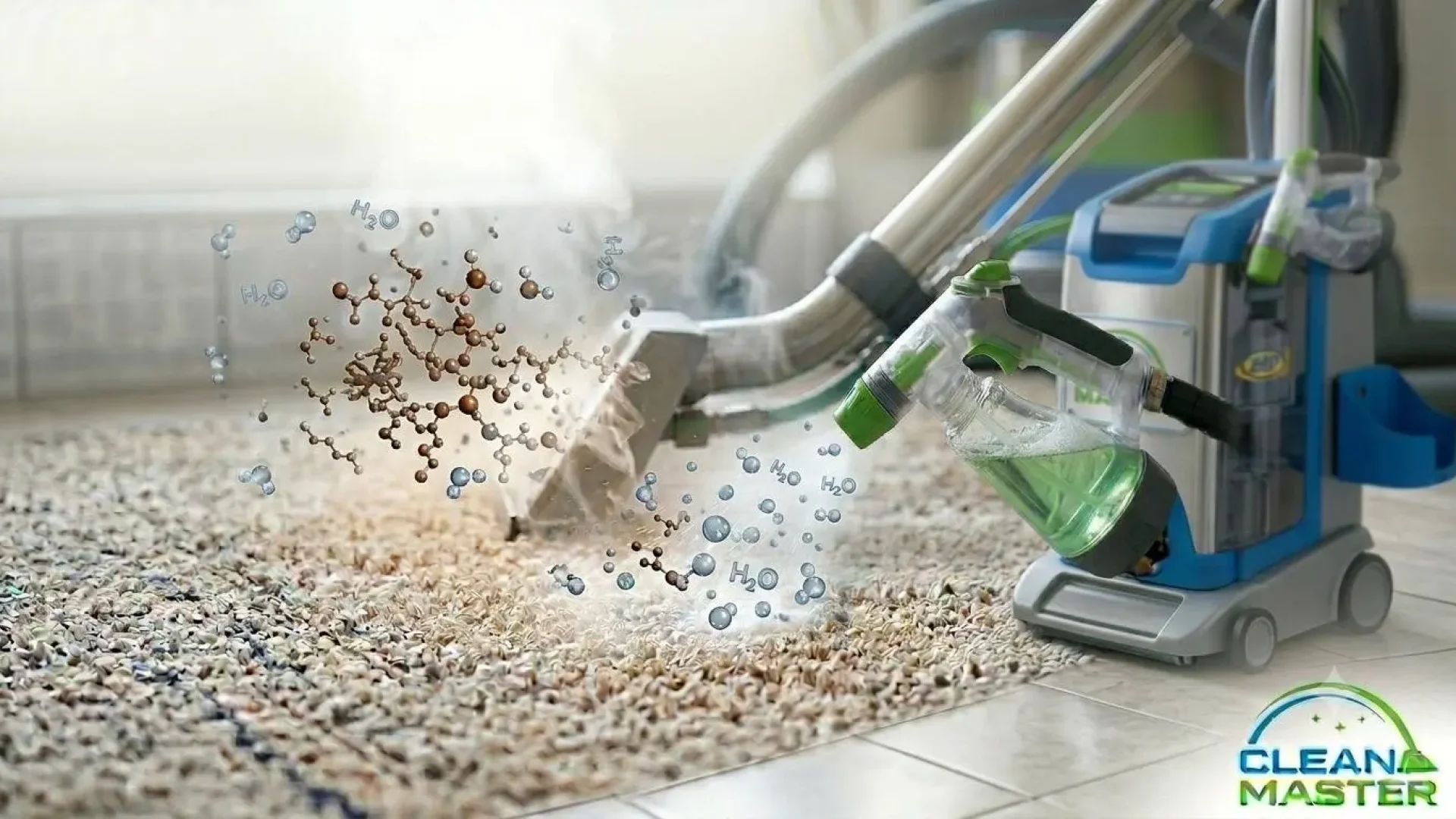
Steam cleaning works by applying high-temperature vapor to carpet fibers. That heat does two things relevant to stain removal: it breaks down the bonds between stain molecules and carpet fibers, and it loosens the material so it can be lifted or wiped away.
For many stain types, particularly water-soluble, surface-level, or recently set stains, this process is genuinely effective. For others, particularly oil-based, dye-based, or protein stains, steam either has limited effect or actively works against removal by driving the stain deeper or heat-setting it into the fiber.
Understanding which category your stain falls into before you reach for the steam cleaner is the difference between a clean carpet and a stain that’s now permanent.
Stain-by-Stain: What Steam Cleaning Can and Can’t Remove
Food and Drink Spills: Coffee, Wine, Juice
Water-soluble food and drink stains respond reasonably well to steam, particularly when the spill is recent. The heat loosens the stain from the fiber and the vapor helps lift it to the surface where it can be blotted away. Coffee, juice, and light wine stains treated promptly with steam, especially after a quick blot to remove surface liquid first, often come out well.
The caveat is time. As these stains dry and oxidize, they bond more firmly to carpet fibers and become progressively harder to remove with steam alone. A coffee stain treated within an hour of the spill responds very differently to steam than the same stain left overnight. For older food and drink stains, pre-treatment with a stain remover before steaming significantly improves results.
Tannin-heavy stains like red wine and dark fruit juice can also leave a residual discoloration even after steam treatment, particularly on light-colored carpet, that requires a targeted tannin remover rather than steam alone.
Pet Urine and Odor
This is one of the most important distinctions we share with clients, and one that consistently surprises people. Steam does improve the surface appearance of pet urine stains, the heat lifts some of the discoloration and the vapor freshens the immediate smell temporarily. But it doesn’t address the underlying problem.
Pet urine contains uric acid crystals that bond to carpet fibers and the backing beneath. These crystals are what cause the persistent pet odor that returns after cleaning, and steam heat doesn’t break them down. Worse, the heat from steam can intensify the smell temporarily by activating the crystals, and repeated steam treatment without enzyme pre-treatment can drive the crystals deeper into the backing where they become even harder to reach.
The correct approach for pet urine is enzyme cleaner first, applied generously, allowed to dwell, and blotted out, before any heat is applied. Read our full guide on how to use enzyme cleaner on carpet for the right technique. Steam can follow as a finishing step, but it cannot replace the enzyme treatment.
We’ve had DFW clients steam-clean pet urine spots repeatedly, frustrated that the odor kept returning. In every case, the issue was treating the symptom with steam rather than the cause with enzymes. Switching the sequence, enzyme first, steam second, resolved what repeated steam alone couldn’t.
Grease and Oil-Based Stains
Grease and oil stains are among the most resistant to steam cleaning. Oil is hydrophobic, it repels water, which means steam vapor, being moisture-based, has limited ability to break down oil bonds in carpet fibers. Applying steam to a grease stain without pre-treatment typically moves the stain around rather than lifting it, and can spread it further into surrounding fibers.
The right approach is a degreasing pre-treatment, a solvent-based spotter or dish soap solution applied to the stain, worked gently into the fibers, and allowed to dwell before any moisture or steam is introduced. The degreaser breaks the oil bond first; steam can then help flush and lift the loosened material. Skipping the degreaser and going straight to steam produces minimal results on any oil-based stain.
Mud and Dirt
Mud and dirt are among the stains steam cleaning handles best, with one important sequencing rule. Never steam a wet mud stain. Applying steam to wet mud drives it deeper into the carpet pile and spreads it into a larger affected area. The correct approach is to let mud dry completely first, vacuum thoroughly to remove as much dry material as possible, and then steam the remaining residue.
Once that sequence is followed, steam is highly effective on mud and dirt stains. The heat loosens residual soil particles from the fibers and the vapor lifts them to the surface. This is one of the cleaner success stories in our client experience, mud stains treated correctly with steam typically come out very well.
Ink and Dye Stains
Ink and dye stains are in a category of their own when it comes to steam cleaning, and the news isn’t good. Many inks and synthetic dyes are heat-sensitive, applying steam can cause them to spread rapidly through carpet fibers as the heat liquefies the ink and the vapor carries it outward. What starts as a contained stain can become a significantly larger one after aggressive steam treatment.
For ink stains, isopropyl alcohol applied to a cloth and carefully blotted, never rubbed, onto the stain is a more appropriate first approach. For dye-based stains from things like colored drinks, fabric dye transfer, or marker, a professional stain treatment with a reducing agent is often necessary. Steam should be a last step rather than a first response for anything ink or dye-based.

Mistakes That Make Stains Worse
Heat-Setting Protein Stains
This is the most consequential mistake in steam cleaning stain treatment, and it catches people off guard because the stains involved, blood, egg, dairy, and other protein-based materials, don’t seem like obvious candidates for special handling.
Protein stains coagulate under heat. The same process that cooks an egg sets protein stains into carpet fibers, permanently bonding them to the material in a way that becomes extremely difficult to reverse. Applying steam to a blood stain without cold-water pre-treatment first is one of the fastest ways to make a removable stain into a permanent one.
For any protein-based stain, always pre-treat with cold water and an enzyme cleaner before any heat is applied. Cold water keeps the proteins fluid and removable; enzyme cleaner breaks them down. Steam, if used at all, comes only after those steps are complete.
Steaming Too Aggressively and Spreading the Stain
Moving the steam cleaner head rapidly back and forth over a stain, the instinct for most first-time users, spreads moisture and loosened stain material outward into clean fibers, creating a larger affected area than the original stain. Always work a steam cleaner toward the center of a stain, not outward, and use slow, controlled passes rather than rapid scrubbing motions.
Skipping Pre-Treatment
For any stain beyond fresh, water-soluble spills, steaming without pre-treatment is the single biggest limiter on results. Pre-treatment breaks the chemical bond between the stain and the carpet fiber before steam is applied, giving the steam something to work with rather than simply heating a stain that’s still firmly attached. The extra five minutes of pre-treatment dwell time consistently produces better outcomes than skipping it and relying on steam alone.
A Quick Reference: Steam vs. Pre-Treatment by Stain Type
| Stain Type | Steam Alone | Pre-Treatment First | Notes |
| Fresh food and drink | Good | Better | Treat promptly for best results |
| Dried food and drink | Fair | Much better | Stain remover pre-treatment essential |
| Pet urine | Poor | Essential | Enzyme cleaner required before steam |
| Grease and oil | Poor | Good | Degreaser pre-treatment required |
| Mud and dirt | Very good | N/A | Let dry and vacuum first |
| Ink and dye | Poor | Specialist treatment | Avoid aggressive steam, risk of spread |
| Blood and protein | Never alone | Essential | Cold water and enzyme only; no heat until treated |
When Steam Isn’t Enough: Call a Professional
Some stains, particularly old, set, or chemically complex ones, are beyond what a steam cleaner can resolve regardless of technique. If you’ve pre-treated correctly, steamed carefully, and the stain remains visible after the carpet has dried, that’s not a technique failure. It’s a signal that the stain requires professional treatment with targeted chemistry and extraction equipment.
As a DFW carpet cleaning company, stain treatment is one of the most nuanced parts of our work. We assess each stain individually, type, age, fiber, and what’s already been applied to it, before choosing a treatment approach. The stains that give DIY steam cleaners the most trouble are often the ones we can resolve most effectively with the right professional tools.
Frequently Asked Questions
Should I steam clean a stain immediately after it happens?
For most water-soluble stains, food, drink, mud, yes, speed helps. Blot up as much as possible first, then steam. For protein stains like blood or dairy, don’t use steam at all until you’ve treated with cold water and enzyme cleaner. For grease, pre-treat with a degreaser before any steam.
Can steam cleaning make a stain reappear after drying?
Yes, this is called wicking, and it happens when a stain has penetrated past the surface fibers into the backing. Steam lifts the surface stain, but as the carpet dries, moisture in the backing carries residual stain material back up through the fibers to the surface. If a stain reappears after steam cleaning, the backing needs treatment, which typically requires professional extraction rather than surface steam alone. Read our guide on why carpet smells worse after cleaning for more on how backing issues affect post-clean results.
How many times should I steam a stain before giving up?
If a stain hasn’t responded significantly after two careful steam treatments with appropriate pre-treatment between sessions, further steaming is unlikely to improve it. At that point, a professional assessment is the more productive next step than repeated steam applications that risk spreading or setting the stain further.
The Bottom Line: Steam Cleans Many Stains, But Type and Technique Are Everything
Steam cleaning is a genuinely effective stain removal tool for the right stains, applied the right way. Mud, fresh food spills, and general surface soiling respond well. Pet urine, grease, ink, and protein stains require pre-treatment before steam, or different tools entirely.
The mistakes that turn removable stains into permanent ones, heat-setting proteins, steaming ink without care, skipping pre-treatment, are all avoidable once you know what you’re dealing with. Match the treatment to the stain type, pre-treat before steaming, and work slowly toward the center of the stain rather than outward.
When the stain is beyond what steam can fix, our DFW carpet cleaning team is here with the targeted treatments and professional extraction equipment to take it the rest of the way. Contact our DFW carpet cleaning team today for stain treatment that’s matched to the stain, not just the nearest cleaning tool.