
Ceramic tile is forgiving compared to natural stone, but “forgiving” still leaves a wide range of options, and the right one depends on your tile’s specific finish as much as the cleaner itself. A DIY dish soap mix works fine for a glossy glazed floor in light daily use; a heavily soiled matte-finish entryway floor needs something with more cleaning power. Here’s the full breakdown, DIY and commercial, matched to what’s actually on your floor.
At Clean Master Carpet Cleaning, ceramic tile is one of the most common surfaces we clean across the DFW area. This guide covers both the recipes worth mixing yourself and the commercial products that consistently perform well.
Glazed vs. Unglazed Ceramic: Why It Changes the Answer
Most residential ceramic tile is glazed, coated with a hard, non-porous finish during manufacturing that gives it color, shine, and resistance to staining. Unglazed ceramic (more common in quarry tile, some outdoor applications, or certain rustic-style floors) lacks that protective coating and behaves more like a porous surface.
Glazed ceramic tolerates a wider range of cleaning products because the glaze is the actual surface being cleaned, not the tile body underneath, it resists most stains and chemical exposure well. Unglazed ceramic is more porous and stain-prone, similar in some ways to natural stone, and benefits from gentler, more neutral cleaning chemistry along with sealing to reduce staining over time.
If you’re not sure which you have: glazed ceramic has a visible sheen or shine even on “matte” finishes (a softer, less reflective sheen, but still a coating); unglazed ceramic looks and feels more like the raw material itself, often with a more matte, slightly rougher texture.
Matte vs. Glossy Glazed Finish: A Secondary Consideration
Within glazed ceramic, finish sheen affects technique more than product choice.
Glossy glazed tile shows streaking and residue more visibly, a cleaner that doesn’t rinse cleanly, or a mop that isn’t well wrung, leaves obvious marks on a glossy surface that wouldn’t be as noticeable on a matte one. This pushes toward cleaners specifically formulated to rinse streak-free, and toward a thorough final rinse pass regardless of which product you use.
Matte glazed tile is more forgiving of minor residue but tends to show dirt and grime more readily in the texture, particularly on textured matte finishes increasingly common in wood-look and stone-look ceramic. This pushes toward solutions with slightly more cleaning power and, where soiling is heavier, light agitation with a soft-bristle brush or scrub pad alongside the cleaner.
DIY Cleaning Solutions for Ceramic Tile
These recipes are appropriate for glazed ceramic in typical residential condition. For unglazed ceramic, stick to the mildest option (plain water or the dish soap mix) and avoid the vinegar-based recipe.
Basic Dish Soap Solution (Daily and Routine Maintenance)
Recipe: 1/4 cup mild dish soap (a clear, dye-free formula like Dawn Free and Clear works well) per gallon of warm water.
This is the gentlest, most universally safe option for glazed ceramic, effective on everyday foot traffic soil, food residue, and light grime, with minimal risk of residue buildup if rinsed reasonably well. Apply with a well-wrung microfiber mop, working in sections.
Vinegar Solution (Glossy and Matte Glazed Ceramic Only)
Recipe: 1/2 cup white vinegar per gallon of warm water.
The mild acidity cuts through soap scum, hard water mineral deposits, and general grime more effectively than dish soap alone. This recipe should never be used on unglazed ceramic or natural stone, the acidity is mild enough to be safe on glazed ceramic’s protective coating but can affect unsealed, more porous surfaces over repeated use. Rinse with a separate clean water pass afterward to avoid any residual vinegar smell or dulling from mineral residue left behind.
Baking Soda Paste (Stuck-On Grime and Light Stains)
Recipe: baking soda mixed with just enough water to form a spreadable paste.
For specific stuck-on spots rather than whole-floor cleaning, apply directly to the spot, let sit 10 minutes, scrub gently with a soft brush, then rinse. Safe on both glazed and unglazed ceramic.
Rubbing Alcohol Solution (Streak-Free Finish for Glossy Tile)
Recipe: 1/2 cup rubbing alcohol (70% isopropyl) per gallon of water.
Particularly useful as a final rinse step on glossy glazed tile where streaking is a concern, alcohol evaporates quickly and cleanly without leaving the residue that can dull a high-shine finish over time.

Commercial Cleaning Products for Ceramic Tile
For more cleaning power than DIY recipes provide, or for convenience, these commercial options consistently perform well on ceramic specifically.
Black Diamond Stoneworks Ceramic and Porcelain Tile Floor Cleaner: a pH-neutral, no-rinse formula designed specifically for ceramic and porcelain, a good choice for glazed finishes since it’s formulated not to leave residue or require a follow-up rinse pass, which saves a step on routine cleaning.
Zep Hardwood and Laminate Floor Cleaner (tile-compatible formula): Zep’s tile-specific line is widely available, pH-balanced, and effective on glazed ceramic for routine and moderately soiled cleaning. Good general-purpose option for most DFW households.
Bona Stone, Tile and Laminate Floor Cleaner: a spray-and-mop formula that’s gentle, pH-neutral, and works well for matte finishes where you want effective cleaning without aggressive chemistry. A reliable, widely available choice.
Method Squirt + Mop Hard Floor Cleaner: a milder, more “everyday use” option, pH-neutral and suitable for frequent light cleaning on glazed ceramic, though it has less cleaning power for heavier soiling than the products above.
At a Glance: Solution by Ceramic Type and Finish
| Ceramic Type/Finish | Best DIY Option | Best Commercial Option |
| Glazed, glossy | Dish soap solution and alcohol rinse for streak-free finish | Black Diamond Ceramic and Porcelain Cleaner |
| Glazed, matte | Vinegar solution for cutting grime | Bona Stone, Tile and Laminate Cleaner |
| Glazed, light daily use | Dish soap solution | Method Squirt + Mop |
| Unglazed ceramic | Dish soap solution only, avoid vinegar | A cleaner explicitly labeled safe for unglazed and unsealed tile |
What to Avoid Regardless of Finish
A few products show up repeatedly in DIY advice and cause problems on ceramic specifically:
- Oil-based or wax “cleaners,” these leave a film that builds up over time and dulls the glaze, requiring stripping to correct
- Highly concentrated vinegar (undiluted or close to it), even on glazed ceramic, full-strength vinegar used repeatedly can dull the glaze over time; always dilute
- Abrasive powders with bleach, these can scratch glossy glazed finishes and discolor grout unevenly
When Mopping Isn’t Enough
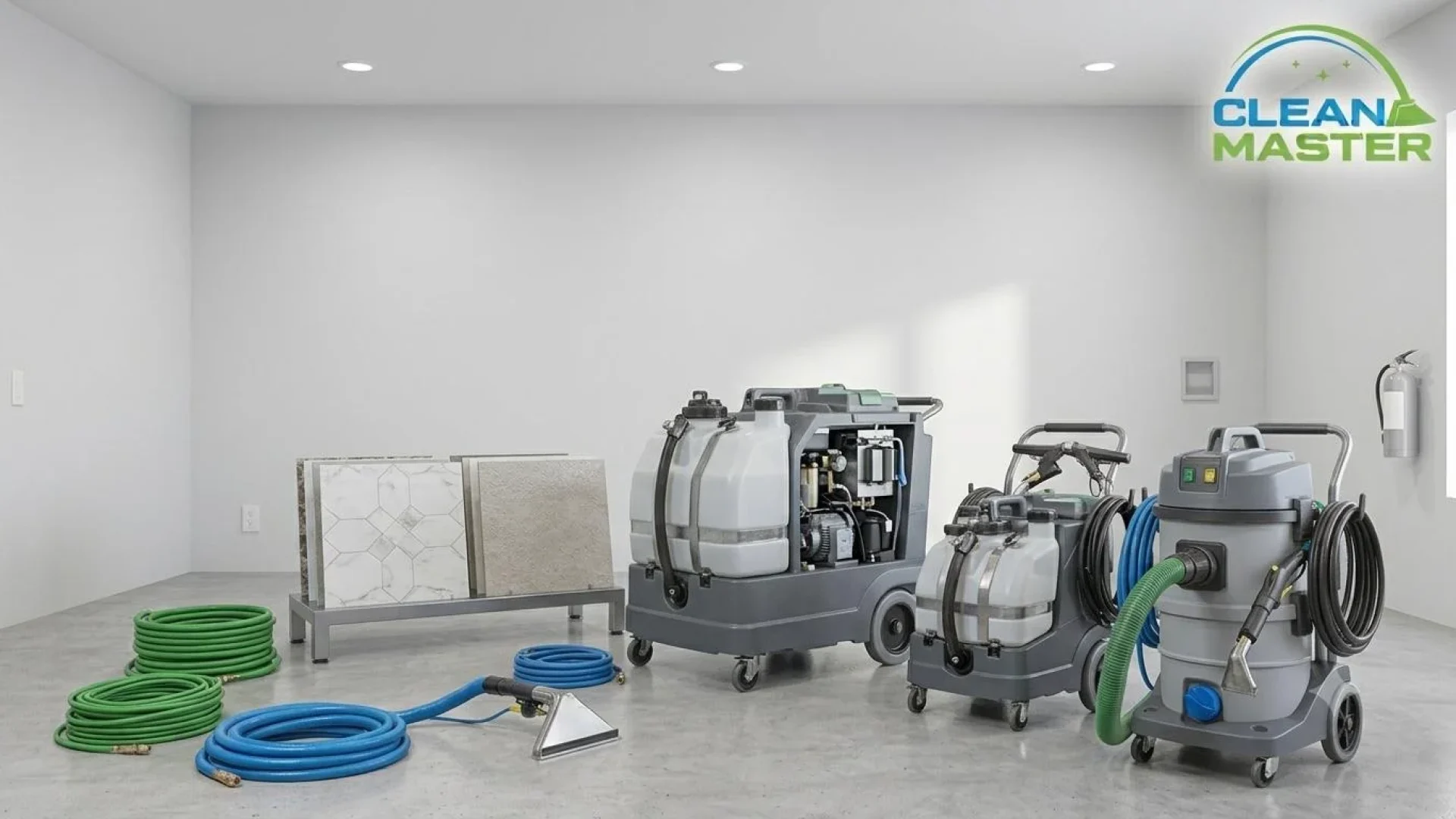
DIY solutions and commercial products handle routine maintenance well, but neither reaches the grout lines the way professional hot water extraction does, mopping cleans the tile surface effectively but only addresses the top layer of grout, leaving embedded contamination in the porous grout joints untouched regardless of which cleaner you use.
For a deeper clean, particularly on grout that’s darkened over time, Clean Master’s professional tile and grout cleaning across the DFW area reaches what mopping can’t, with chemistry matched to your specific tile and grout condition.
Frequently Asked Questions
Can I use the same solution on the grout as the tile?
For glazed ceramic, yes, the DIY and commercial options above are generally safe for both the tile surface and the grout lines. Avoid letting full-strength vinegar pool in the grout lines repeatedly over time, as cement-based grout can be affected by sustained acid exposure even though brief diluted use is fine.
How often should I deep clean ceramic tile vs. routine mop?
Routine mopping with a mild solution weekly to biweekly keeps the surface maintained. A more thorough clean with a stronger product, light scrubbing on textured areas, and attention to grout lines is worth doing monthly to quarterly depending on traffic level.
Is steam cleaning a good alternative to liquid solutions on ceramic?
Yes, steam cleans glazed ceramic effectively without any chemical product, using heat alone. It’s a solid option for households that prefer to minimize chemical use, though it doesn’t replace periodic deeper cleaning of grout lines specifically.
The Bottom Line: Match the Solution to Your Specific Finish
For glazed ceramic, a mild dish soap solution handles daily maintenance, a diluted vinegar solution adds cutting power for grime and soap scum, and commercial products like Black Diamond or Bona offer convenient, reliable middle-ground options. Unglazed ceramic needs a gentler approach across the board. Whichever you choose, avoid oil-based products, undiluted acid, and abrasive bleach powders that cause cumulative damage regardless of how clean the floor looks right after using them. Contact Clean Master Carpet Cleaning today for professional tile and grout cleaning across the entire DFW area, the deeper clean that goes beyond what any mop-applied solution reaches.