
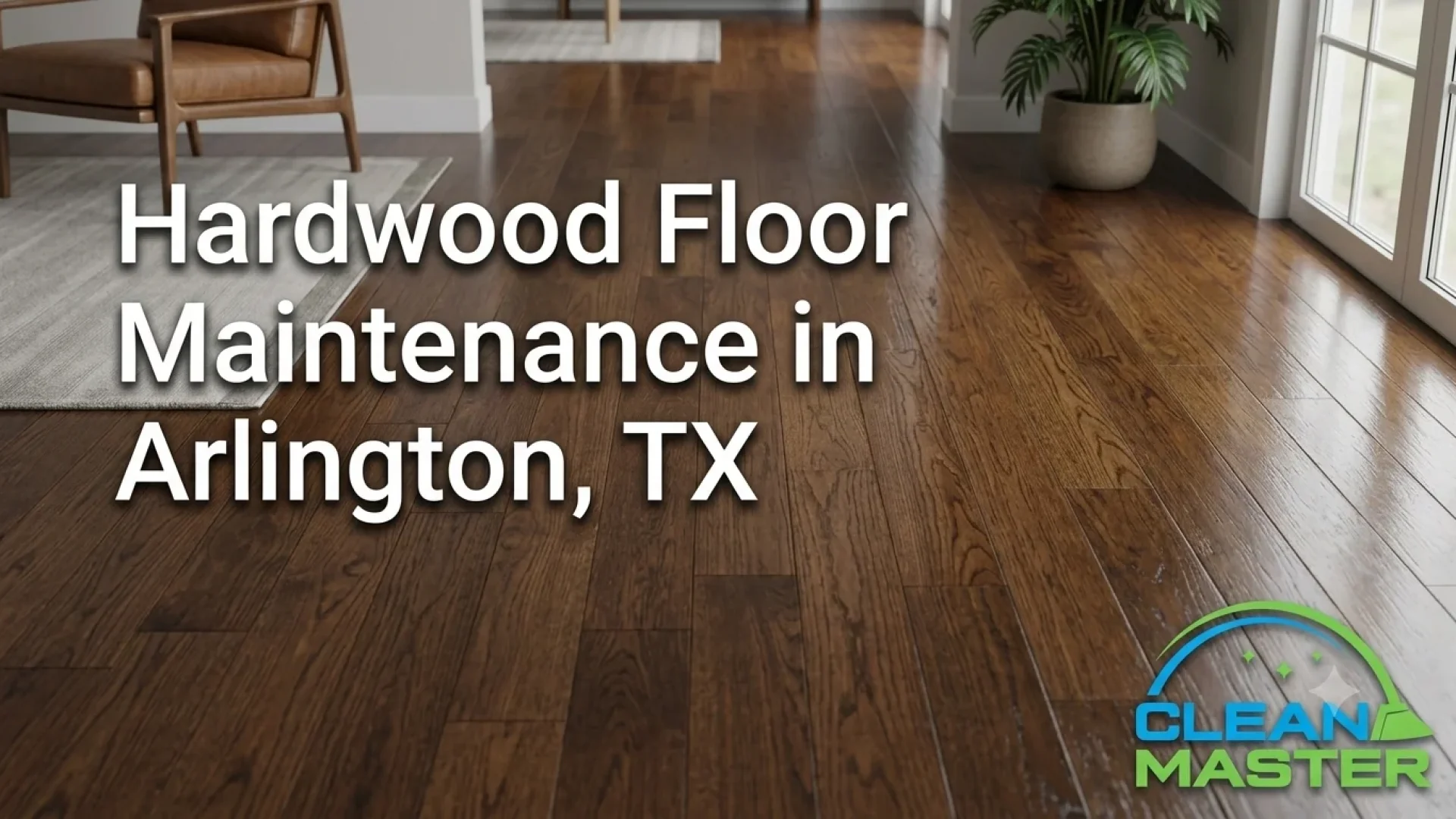
Hardwood floors add warmth and value to a home, but they also need a different kind of care than carpet or tile. Wood reacts to moisture in a way other flooring materials don’t, which means the wrong cleaning approach can do more harm than good over time. What works perfectly well on carpet or tile can actually damage hardwood if it involves too much water.
This guide covers what proper hardwood floor maintenance from Clean Master Carpet Cleaning actually involves, why the cleaning method matters so much for wood, and when it might be time to consider something beyond regular maintenance for homes across Arlington.
Why Hardwood Floors Need a Different Cleaning Approach
Wood is a natural material that responds to moisture very differently than carpet, tile, or stone:
- Water can warp and damage wood over time. Excess moisture left sitting on hardwood, or used repeatedly during cleaning, can cause boards to swell, cup, or warp.
- The finish protects the wood underneath. Most hardwood floors have a protective finish layer, and harsh cleaning methods can wear down or dull that finish faster than normal use alone.
- Standard mopping isn’t ideal for wood. A regular wet mop, especially one that leaves standing water or excess moisture, is one of the more common ways hardwood floors get damaged over time.
- Grit causes scratching. Dirt and sand tracked onto hardwood act almost like sandpaper underfoot, gradually causing fine scratches if it isn’t cleaned regularly.
Because of these factors, hardwood floors do best with a cleaning method built specifically around minimizing moisture exposure.
Our Approach: Dry, Low-Moisture Cleaning for Hardwood
We use a dry, low-moisture cleaning system designed specifically for hardwood floors. This approach:
- Minimizes water contact with the wood, reducing the risk of warping or damage
- Still effectively lifts dirt, grime, and buildup from the floor’s surface
- Helps protect the floor’s existing finish rather than wearing it down through excess moisture
- Allows floors to be back in use quickly, without a lengthy drying period
This is a meaningfully different approach than the steam or hot water extraction methods used for carpet, and it reflects just how differently hardwood needs to be treated compared to other flooring types.
What Hardwood Floor Maintenance Involves
Here’s a general look at what a maintenance cleaning visit covers:
- Inspection — We take a look at the floor’s overall condition, including the finish, any visible scratches, and general buildup.
- Dry cleaning treatment — Using a low-moisture system built for wood, we clean the surface to lift dirt and grime without introducing excess water.
- Detail areas — Corners, edges, and areas along baseboards get attention, since these spots often collect more buildup than open floor space.
- Final check — We review the finished floor to confirm it looks noticeably cleaner throughout.
Signs Your Hardwood Floors Need Attention
A few signs suggest it’s time for a maintenance cleaning:
- Floors look dull or hazy compared to when they were first installed or refinished
- Visible dirt or grime buildup in high-traffic areas like hallways and entryways
- Fine scratches becoming more noticeable, especially in areas with regular foot traffic
- It’s been a while since the floors have had anything beyond regular sweeping or light mopping
Maintenance Cleaning vs. Full Refinishing
It’s worth understanding the difference between regular maintenance and full refinishing, since they solve very different problems:
| Maintenance Cleaning | Full Refinishing | |
| What it addresses | Everyday dirt, grime, and surface buildup | Deep scratches, worn-through finish, significant wear |
| Process | Dry, low-moisture surface cleaning | Sanding down to bare wood, followed by refinishing |
| How often needed | Regular, ongoing basis | Much less frequently, typically every several years or when damage is significant |
| Best for | Floors in generally good condition | Floors with heavy wear, deep scratches, or a finish that’s worn through in spots |
If your floors are generally in good shape but just need a deeper clean than sweeping and light mopping provide, maintenance cleaning is the right fit. If the finish itself is significantly worn through, or there’s deeper damage that cleaning alone won’t resolve, full refinishing is also available as a separate service, and we can assess your floors to help figure out which approach makes more sense.
How Often Should Hardwood Floors Be Professionally Maintained?
The right frequency depends on foot traffic and how the space is used day to day:
| Household Situation | General Guidance |
| Lower-traffic rooms | Less frequent maintenance needed |
| Regular daily use areas | Periodic maintenance cleaning helps keep buildup from accumulating |
| Homes with pets | More frequent attention may help manage scratching and grit buildup |
| High-traffic areas like entryways and hallways | Often benefit from more frequent maintenance than other rooms |
Everyday Habits That Help Protect Hardwood Between Visits
A few simple habits go a long way toward keeping hardwood floors in good shape:
- Sweep or dry mop regularly to remove grit before it gets ground into the finish underfoot.
- Wipe up spills immediately, since standing liquid is one of the most common causes of hardwood damage.
- Use furniture pads under legs of chairs, tables, and couches to prevent scratches from movement.
- Avoid wet mopping with excess water, since this is one of the more common ways hardwood floors get damaged over time.
- Use mats at entryways to reduce the amount of dirt and grit tracked onto the floor.
How Hardwood Care Fits Into Whole-Home Maintenance
Hardwood floors often sit alongside other surfaces that need their own specific care. If your home also has carpeted bedrooms or living areas, our carpet cleaning service uses a fitting approach for those surfaces. Homes with tile in kitchens or bathrooms nearby may also benefit from our tile and grout cleaning service, so every surface in the home gets the specific treatment it needs rather than a one-size-fits-all approach.
Frequently Asked Questions
Why can’t hardwood floors be cleaned the same way as carpet or tile?
Wood is sensitive to moisture, and excess water can cause warping, cupping, or damage to the floor’s finish. This is why hardwood needs a dry, low-moisture cleaning approach rather than the steam cleaning used for carpet.
What’s the difference between hardwood maintenance and refinishing?
Maintenance cleaning addresses everyday dirt and surface buildup on floors that are generally in good condition. Refinishing involves sanding down to bare wood and is used for floors with significant wear, deep scratches, or a finish that’s worn through.
How often should hardwood floors be professionally cleaned?
This depends on foot traffic. High-traffic areas like entryways and hallways generally benefit from more frequent attention than lower-traffic rooms.
Is dry cleaning as effective as wet cleaning for hardwood floors?
Yes, a low-moisture system designed for wood effectively lifts dirt and grime from the surface while minimizing the risk of moisture-related damage that wet cleaning methods can cause.
Do you offer full hardwood floor refinishing?
Yes, full refinishing is available as a separate service for floors with significant wear or damage beyond what regular maintenance cleaning addresses.
What’s the biggest mistake people make cleaning hardwood floors themselves?
Using too much water during mopping is one of the most common issues, since standing moisture can lead to warping or damage to the floor’s finish over time.
Get a Free Hardwood Floor Maintenance Quote in Arlington, TX
Whether your hardwood floors need regular maintenance cleaning or something more involved, Clean Master Carpet Cleaning has been serving homes across the Dallas-Fort Worth area, including Arlington, for over 26 years.
Request a free quote and we’ll help you figure out whether maintenance cleaning or full refinishing is the right fit for your floors. Check our current specials for available savings, and learn more about our team and our approach to floor care across Arlington and the surrounding area.