
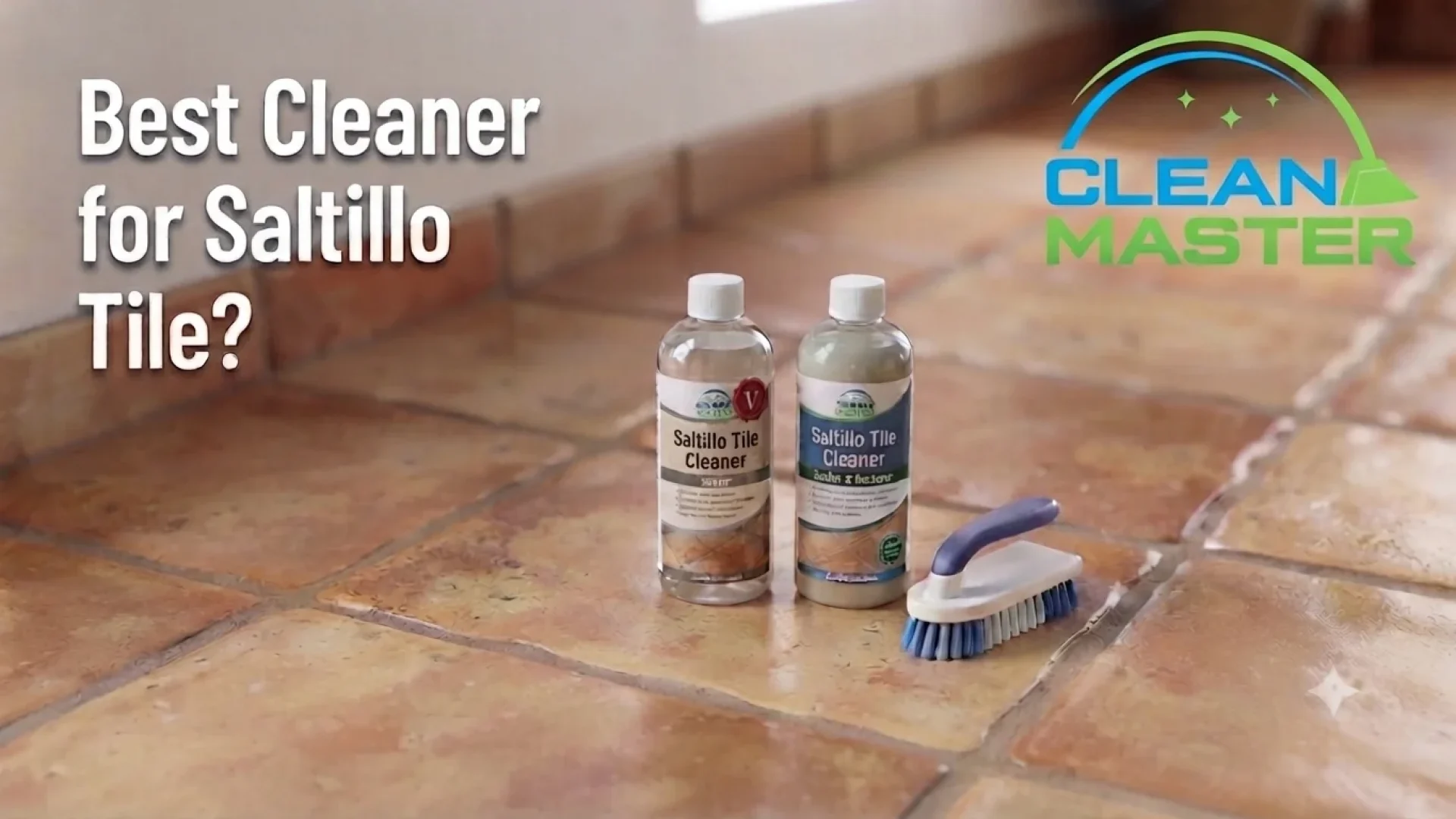
Saltillo tile is a different kind of surface entirely compared to ceramic or porcelain, and treating it the same way can lead to real, sometimes permanent damage. This traditional Mexican clay tile is unglazed, highly porous, and typically relies on a wax or sealant coating for protection, which means the “best cleaner” question has a much narrower answer than it does for most other tile types.
This guide covers what makes Saltillo tile unique, which cleaners are genuinely safe to use, which ones to avoid entirely, and how sealing plays into keeping it looking good long term. If your Saltillo tile has already suffered from the wrong cleaner, our tile and grout cleaning service serving Arlington is also worth considering.
What Makes Saltillo Tile Different
Saltillo tile is a handmade, unglazed terracotta clay tile, known for its warm, earthy color variations and rustic look. A few characteristics set it apart from ceramic or porcelain:
- Highly porous surface. Unlike glazed tile, Saltillo has no protective coating fired onto it, which means it absorbs liquids, oils, and cleaning products far more readily than most other tile types.
- Relies on sealant or wax for protection. Most Saltillo installations are treated with a sealer, and often a wax topcoat, to protect the porous clay from staining and to give it its characteristic sheen.
- Softer than ceramic or porcelain. The clay itself is more prone to scratching and etching than fired, glazed surfaces, which changes what kind of cleaning tools and products are appropriate.
- Natural color variation. Because it’s handmade from natural clay, no two tiles are exactly alike, and this variation is part of the tile’s character rather than something to be corrected.
Because of the sealant layer, cleaning Saltillo tile is really cleaning two things at once: the sealant or wax coating on top, and, if that coating has worn away in spots, the porous clay underneath. This distinction is at the core of nearly every mistake homeowners make with this tile type, since a product perfectly safe for the sealant layer can behave very differently once it reaches bare, exposed clay.
Cleaners That Are Safe for Saltillo Tile
pH-Neutral Cleaners
A pH-neutral cleaner is generally the safest, most reliable choice for regular Saltillo maintenance. These products clean effectively without breaking down the wax or sealant coating the way acidic or highly alkaline products can.
Best for: Everyday maintenance cleaning on sealed and waxed Saltillo tile.
Mild Dish Soap and Water
A diluted dish soap solution is a gentle, low-risk option for routine cleaning, similar to how it works well across most tile types, but it’s especially appropriate here given Saltillo’s sensitivity to stronger products.
Best for: Light, regular cleaning between deeper maintenance.
Saltillo-Specific or Terracotta-Formulated Cleaners
Some cleaning products are specifically formulated for terracotta and Saltillo tile, designed to clean without stripping the sealant or wax layer. These tend to be the most reliable choice when a deeper clean is needed beyond routine maintenance.
Best for: Periodic deeper cleaning without compromising the tile’s protective coating.
Cleaners to Avoid on Saltillo Tile
Acidic Cleaners (Vinegar, Lemon-Based, Hard Water Removers)
Acidic products, even relatively mild ones like vinegar, can etch and damage the porous clay surface, and can also break down wax or sealant coatings over time. This is a significant departure from how vinegar is often recommended for ceramic and porcelain tile.
Ammonia-Based Cleaners
Ammonia can strip wax finishes and is generally too harsh for the porous clay surface underneath, making it one of the more common causes of unintended damage on Saltillo tile.
Bleach-Based Products
Bleach can discolor Saltillo’s natural clay tones and is generally not recommended for regular cleaning, since the tile’s porous nature means it absorbs more of the product than a glazed surface would.
Abrasive Scouring Pads or Powders
Because Saltillo is softer than ceramic or porcelain, abrasive scrubbing tools and gritty powders can scratch the surface, particularly in areas where the wax coating has already worn thin.
Why Sealing and Waxing Matter So Much for Saltillo
Sealant and wax aren’t just cosmetic on Saltillo tile, they’re the primary line of defense against staining and damage to the porous clay underneath. Once that coating wears down in a specific area, whether from foot traffic, cleaning products, or general age, that section of tile becomes much more vulnerable to absorbing spills, dirt, and moisture directly into the clay.
This is why using the wrong cleaner on Saltillo doesn’t just risk a surface-level issue. Stripping or damaging the sealant exposes the porous clay directly, which can lead to staining that’s far harder to reverse than anything that happens on a glazed tile surface.
In a very real sense, the sealant is doing all the work of keeping the floor easy to clean, and once it’s compromised, even gentle products start behaving unpredictably on the exposed clay beneath.
What We’ve Seen With Saltillo Tile in the Field
Saltillo is one of the tile types where we most often see damage that was caused unintentionally, not from neglect, but from someone using a cleaner that seemed reasonable for tile in general without realizing Saltillo needed a different approach.
A fairly typical pattern looks like this: a homeowner notices their Saltillo floor looking dull, tries an all-purpose or acidic cleaner to bring back some shine, and ends up with patchy dullness or uneven color where the sealant has been stripped away in that spot. The clay underneath, now exposed, absorbs dirt and oils differently than the sealed sections around it, which makes the unevenness even more visible over time.
This pattern is almost always avoidable with the right products from the start, which is part of why understanding Saltillo’s specific needs matters more here than with most other tile types. What makes this especially frustrating for homeowners is that the damage often isn’t visible immediately. It tends to show up gradually, over weeks, as the exposed section absorbs more grime and takes on a slightly different tone than the surrounding sealed tile, by which point it’s not always obvious what caused it.
Resealing and Rewaxing: An Important Part of Saltillo Maintenance
Because the sealant and wax coating naturally wears down over time, periodic resealing is part of normal Saltillo maintenance, not an optional extra. Signs that resealing may be needed include:
- Dull, faded patches, especially in high-traffic areas
- Increased staining or spots that seem to absorb spills more than they used to
- A noticeable difference in sheen between different sections of the floor
- It’s been several years since the last sealing or waxing was done
Resealing restores that protective barrier, which not only improves the tile’s appearance but also makes future cleaning meaningfully safer, since a properly sealed surface is far less vulnerable to whatever cleaner touches it. High-traffic areas like entryways and kitchens tend to need resealing more frequently than lower-traffic rooms, simply because foot traffic wears down the protective coating faster in those spots.
Comparing Cleaning Approaches for Saltillo Tile
| Cleaner Type | Safe for Saltillo? | Notes |
| pH-neutral cleaner | Yes | Best general choice for regular maintenance |
| Mild dish soap and water | Yes | Gentle, low-risk option for everyday cleaning |
| Terracotta/Saltillo-specific cleaner | Yes | Formulated specifically to protect the sealant layer |
| Vinegar or acidic cleaners | No | Can etch clay and break down sealant |
| Ammonia-based cleaners | No | Strips wax finishes, too harsh for porous clay |
| Bleach | No | Can discolor natural clay tones |
| Abrasive scouring pads/powders | No | Risk of scratching the softer clay surface |
Basic Saltillo Cleaning Routine
- Sweep or dust mop regularly to remove loose dirt before it gets ground into the surface, especially important given how much softer Saltillo is than ceramic or porcelain.
- Damp mop with a pH-neutral cleaner or diluted dish soap, avoiding excess standing water, since Saltillo’s porous nature means moisture needs to be managed carefully even with sealant in place.
- Avoid the cleaners on the “avoid” list entirely, even for a single deep-cleaning session, since even occasional use can compromise the sealant.
- Address spills promptly, since the porous nature of any exposed clay areas means liquids can absorb faster than on glazed tile.
- Reseal or rewax periodically, based on wear patterns and how the floor is holding up over time.
When to Call in Professional Help
Given how easily Saltillo can be damaged by the wrong product, and how difficult it can be to reverse staining once the sealant has been compromised, this is a tile type where professional guidance is often worth the investment even for routine deep cleaning.
A professional tile and grout cleaning visit can assess the current condition of your sealant, recommend whether resealing is due, and use techniques specifically suited to protecting this more delicate surface rather than risking the kind of patchy, uneven damage that’s so common with well-intentioned DIY attempts.
Frequently Asked Questions
Can I use vinegar to clean Saltillo tile?
No. Vinegar’s acidity can etch the porous clay and break down the wax or sealant coating, which is a meaningful risk that doesn’t apply the same way to glazed tile like ceramic or porcelain.
Why does Saltillo tile need special cleaning products?
Saltillo is unglazed and highly porous, relying on a sealant or wax coating for protection. Many common tile cleaners are too harsh and can strip that coating, exposing the clay underneath to staining and damage.
How do I know if my Saltillo tile needs to be resealed?
Signs include dull or faded patches, increased staining, uneven sheen across the floor, or it simply being several years since the last sealing.
Is it safe to use bleach on Saltillo tile?
No, bleach can discolor the tile’s natural clay tones and isn’t recommended for regular Saltillo cleaning.
What’s the safest everyday cleaner for Saltillo tile?
A pH-neutral cleaner or a diluted mild dish soap solution is generally the safest choice for routine maintenance cleaning.
Can damaged or stripped sealant on Saltillo tile be fixed?
Yes, resealing and rewaxing can restore the protective coating, though any staining that occurred while the clay was exposed may not fully reverse depending on how deep it set in.
How often should Saltillo tile be resealed?
This varies based on foot traffic and how the floor is used, but high-traffic areas often need resealing more frequently than lower-traffic rooms. Watching for dullness, uneven sheen, or increased staining is a more reliable guide than a fixed schedule.
Final Thoughts
Saltillo tile rewards the right approach and can be genuinely damaged by products that would be perfectly fine on ceramic or porcelain. The porous clay and its reliance on a wax or sealant coating mean the safe list is narrower than most tile types: pH-neutral cleaners, mild dish soap, and products specifically formulated for terracotta are the reliable choices, while vinegar, ammonia, bleach, and abrasive scrubbing tools should be avoided entirely.
The pattern we see most often with Saltillo damage isn’t neglect, it’s someone reaching for a reasonable-seeming cleaner without realizing this particular tile needed a different approach.
Understanding that distinction from the start, along with keeping up with periodic resealing, is really what keeps Saltillo tile looking the way it’s meant to look for years rather than developing the uneven, patchy wear that comes from using the wrong products on it. If you’re unsure about your floor’s current condition, reaching out for a professional assessment is a reasonable first step before trying any new product on your own.