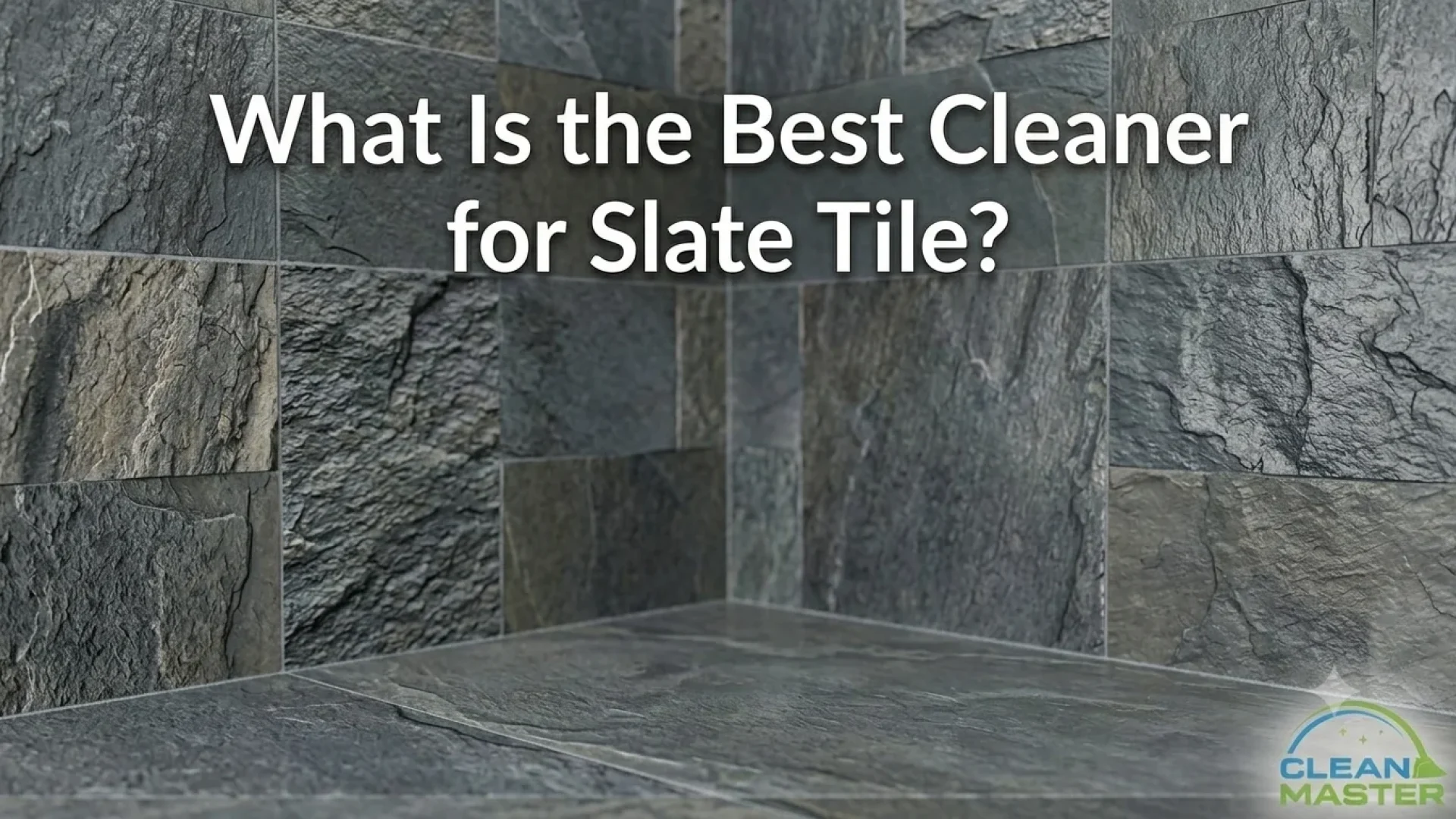
Slate is a striking, durable natural stone, but it comes with its own set of rules when it comes to cleaning. Unlike ceramic or porcelain, slate is a layered, foliated stone, meaning it’s formed in thin, stacked sheets, and that structure affects how it responds to moisture, acidic products, and sealants. Treating slate like any other tile can lead to real problems, from stripped sealant to flaking layers on the surface.
This guide covers what makes slate tile different, which cleaners are genuinely safe, which to avoid, and how sealing fits into keeping it in good shape long term. If your slate tile needs professional attention, our tile and grout cleaning service serving Arlington is also worth considering.
What Makes Slate Tile Different
Slate’s natural structure creates a few characteristics that directly affect how it should be cleaned:
- Layered, foliated composition. Slate forms in thin natural layers, which gives it texture and character but also means it can be more prone to flaking or delaminating at the surface if not properly cared for.
- Varying porosity. Slate is naturally porous, though the degree varies by the specific stone, which means it typically needs a sealant to resist staining and moisture absorption.
- Cleft or honed finish. Slate often comes with a natural, rough cleft finish that shows the stone’s texture, though some installations are honed smoother. Cleft finishes have more surface area where dirt and grime can settle into the texture.
- Variable acid sensitivity. Slate contains varying amounts of calcite depending on the specific stone, which means some slate is more sensitive to acidic cleaners than others, and it’s not always obvious just by looking at it.
Because of this combination of porosity, texture, and layered structure, slate calls for a more careful, stone-specific cleaning approach rather than treating it like a standard ceramic or porcelain floor.
Cleaners That Are Safe for Slate Tile
pH-Neutral Stone Cleaners
A pH-neutral cleaner formulated specifically for natural stone is generally the safest and most reliable everyday option for slate. These products clean effectively without risking damage to the sealant or the stone’s mineral composition.
Best for: Regular maintenance cleaning on sealed slate.
Mild Dish Soap and Water
A diluted dish soap solution works as a gentle option for light, everyday cleaning, similar to its use on other stone types, though it shouldn’t replace a proper stone cleaner for deeper maintenance.
Best for: Light surface cleaning between more thorough cleanings.
Stone-Specific Cleaners Labeled for Slate
Some cleaning products are formulated specifically with slate and similar layered stones in mind, designed to clean effectively while accounting for the stone’s texture and sealant needs.
Best for: Periodic deeper cleaning, especially on cleft-finish slate where texture holds onto more grime.
Cleaners to Avoid on Slate Tile
Acidic Cleaners (Vinegar, Lemon-Based, Hard Water Removers)
Because slate’s calcite content varies and isn’t always visible or predictable, acidic cleaners carry a real risk of etching the surface. What might be safe on one slate installation could cause visible damage on another, which is part of why it’s best to avoid acidic products altogether rather than testing your luck.
Ammonia-Based Cleaners
Ammonia can be too harsh for slate’s sealant and porous surface, and repeated use is a common contributor to premature sealant breakdown.
Bleach-Based Products
Bleach can affect slate’s natural color variation and isn’t generally recommended, particularly on darker or more richly colored slate where discoloration would be most noticeable.
Abrasive Scrubbing Tools
Given slate’s layered structure, aggressive scrubbing with stiff abrasive pads carries some risk of contributing to surface flaking, particularly on stone that’s already showing early signs of delamination.
Wax-Based Products (Unless Specifically Designed for Slate)
Some general stone waxes aren’t formulated with slate’s texture and layered structure in mind, and can create an uneven, sometimes patchy appearance, especially on cleft-finish slate where the surface isn’t perfectly flat.
Why Sealing Matters So Much for Slate
Sealant plays a bigger role for slate than it does for far less porous materials like polished granite or glazed porcelain. Because slate’s porosity varies and its layered structure creates more surface area for absorption, especially with a cleft finish, a good seal is what keeps moisture, oils, and staining agents from soaking into the stone.
Once sealant wears down in a given area, that section becomes noticeably more vulnerable, both to staining and, over time, to the kind of moisture exposure that can contribute to flaking at the surface layers.
A Typical Pattern We See With Slate Tile
Slate is one of the natural stones where DIY cleaning mistakes tend to show up gradually rather than immediately, which is part of what makes it tricky. A fairly common scenario looks something like this: a homeowner with a cleft-finish slate floor notices some buildup in the textured surface and reaches for a general all-purpose cleaner, sometimes one with a mild acidic ingredient, to help cut through the grime. The floor looks fine right after cleaning. Weeks or months later, certain sections start looking duller than others, and in some cases, small flakes or rough patches start appearing where the surface layers have begun separating slightly.
By the time this becomes visually obvious, the underlying cause is usually a combination of worn sealant and repeated exposure to a cleaner that was too harsh for that particular slate’s composition. This is a good illustration of why slate benefits from a cautious, stone-specific cleaning approach from the start, since the damage tends to build gradually rather than showing up as an obvious, immediate problem the way it might on a more sensitive material like Saltillo.
Resealing Slate: What to Watch For
Because slate’s sealant naturally wears down over time, periodic resealing is a normal part of maintaining it, not an optional extra. Signs that resealing may be needed include:
- Water no longer beading on the surface, instead soaking in more quickly than it used to
- Increased staining or spots that seem to darken more easily than before
- Visible dullness, especially in high-traffic areas
- Any early signs of surface roughness or flaking, which may indicate both a sealant issue and a need for closer inspection
Comparing Cleaning Approaches for Slate Tile
| Cleaner Type | Safe for Slate? | Notes |
| pH-neutral stone cleaner | Yes | Best general choice for regular maintenance |
| Mild dish soap and water | Yes | Fine for light cleaning, not a substitute for proper stone cleaner |
| Stone-specific/slate cleaner | Yes | Best for deeper cleaning, especially cleft finishes |
| Vinegar or acidic cleaners | No | Risk of etching varies by slate’s calcite content, best avoided |
| Ammonia-based cleaners | No | Contributes to sealant breakdown |
| Bleach | No | Can affect natural color variation |
| Abrasive scrubbing tools | No | Risk of contributing to surface flaking on layered stone |
| General stone wax (non-slate-specific) | Caution | Can look patchy on textured, cleft-finish surfaces |
Basic Slate Cleaning Routine
- Sweep or dust mop regularly, paying extra attention to cleft-finish texture where dirt tends to settle more than on a smooth surface.
- Damp mop with a pH-neutral stone cleaner, avoiding excess standing water given slate’s porous nature.
- Avoid acidic, ammonia-based, and bleach products entirely, since slate’s variable composition makes it hard to predict which specific stone will react poorly.
- Watch for early signs of wear, like water no longer beading or slight dulling, and address resealing before those signs progress further.
- Reseal on a regular schedule based on wear patterns and how the specific stone is holding up, rather than waiting for visible damage to appear.
Frequently Asked Questions
Can I use vinegar to clean slate tile?
It’s best to avoid it. Slate’s calcite content varies by stone, which makes it hard to predict whether a specific installation will etch from acidic cleaners, so avoiding them entirely is the safer approach.
Why does slate need a different cleaner than ceramic or porcelain?
Slate is a natural, layered stone with variable porosity and calcite content, which makes it more sensitive to certain chemicals and more dependent on sealant for protection than manufactured tile.
What causes slate to flake or look rough over time?
This is often linked to worn sealant combined with repeated exposure to cleaners that are too harsh for that particular stone, allowing moisture and chemical exposure to affect the layered surface structure over time.
How do I know if my slate needs resealing?
Signs include water no longer beading on the surface, increased staining, visible dullness, or early signs of surface roughness.
Is cleft-finish slate harder to clean than honed slate?
It can require more effort, since the textured surface holds onto dirt and grime more than a smoother honed finish, generally benefiting from a stone-specific cleaner paired with a soft brush.
Can damaged or under-sealed slate be restored?
Resealing can restore protection and often improves appearance, though any flaking or damage that’s already occurred at the surface layers may need professional assessment to determine what can realistically be improved.
Final Thoughts
Slate rewards a careful, stone-specific approach and can be genuinely affected by cleaners that would be perfectly fine on ceramic or porcelain. Because its calcite content and porosity vary by stone, and its layered structure makes it more prone to surface issues over time, sticking to pH-neutral stone cleaners and avoiding acidic, ammonia-based, or bleach products entirely is the safest path.
The damage we tend to see on slate rarely shows up right away. It builds gradually, through a combination of worn sealant and repeated exposure to the wrong products, which is exactly why understanding slate’s specific needs from the start, and keeping up with resealing, matters more here than with most other tile types.
Get a Free Slate Tile Cleaning Quote in Arlington, TX
If your slate floors need cleaning, sealing, or you’re noticing early signs of wear, Clean Master Carpet Cleaning has been serving homes across the Dallas-Fort Worth area, including Arlington, for over 26 years.
Book now for a free quote, and we’ll help you keep your slate looking its best for years to come. Learn more about our team and our approach to natural stone care across Arlington and the surrounding area.