
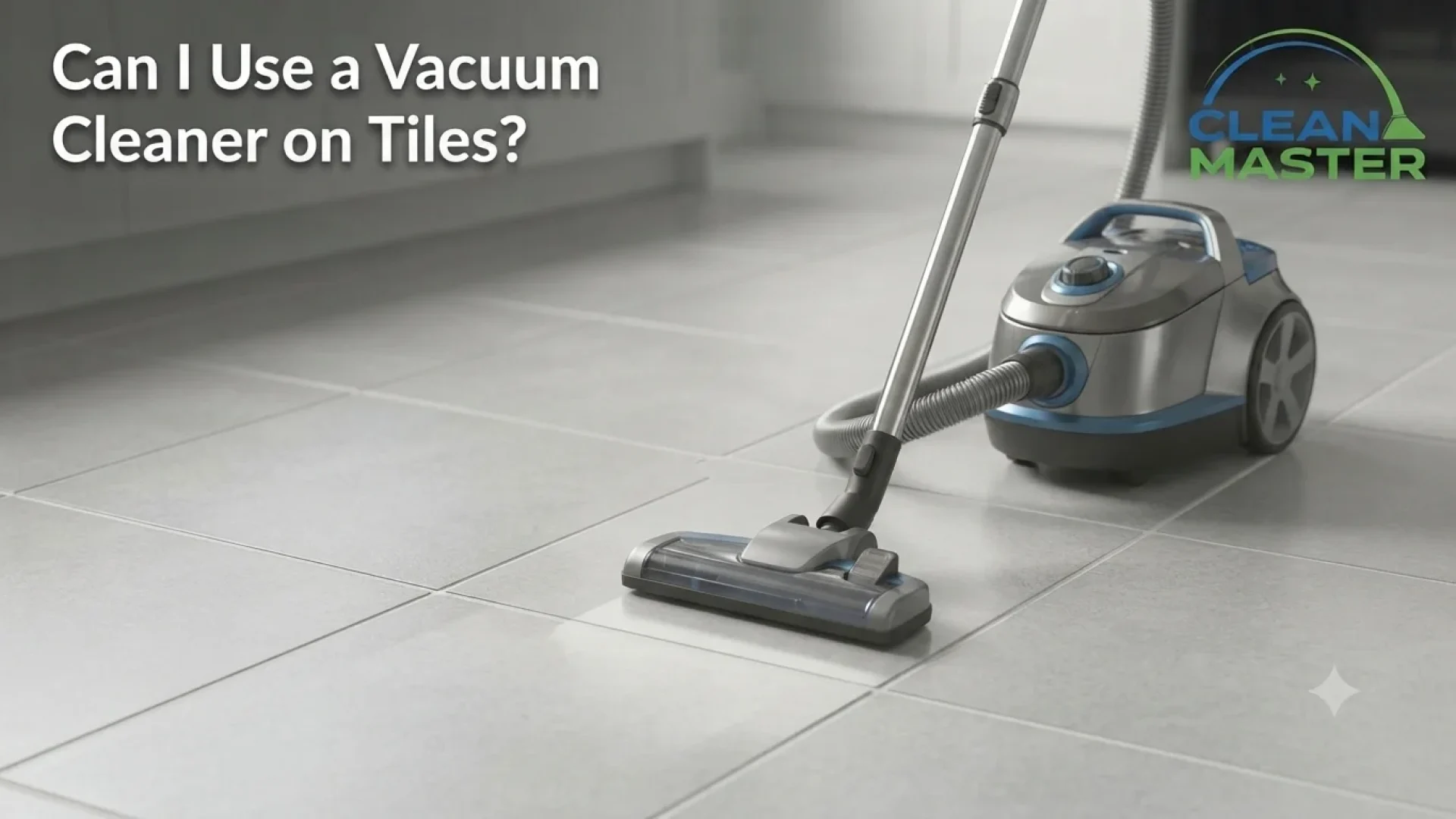
Yes, vacuuming tile floors is not only safe, it’s actually one of the better ways to remove loose dirt, dust, and debris before mopping or deep cleaning. Unlike using the wrong carpet cleaning equipment on tile, which can cause real moisture-related problems, a vacuum is generally a low-risk tool for tile. That said, not every vacuum is equally well suited to the job, and a few features make a real difference in how well it performs and how safe it is for both the tile and the grout lines between it.
This guide covers which vacuum types work best on tile, what to watch out for with grout specifically, and how to avoid the most common mistakes. If your tile and grout need more than regular vacuuming can provide, our tile and grout cleaning service is also worth considering.
Why Vacuuming Tile Floors Makes Sense
Before mopping or deep cleaning tile, removing loose dirt, dust, sand, and debris first makes a real difference in the final result. Here’s why:
- Grit acts like sandpaper. Loose sand and dirt tracked onto tile floors can grind into the surface underfoot, especially in high-traffic areas, gradually dulling the finish over time if it isn’t removed regularly.
- Wet mopping loose debris spreads it around. Mopping over unvacuumed dirt tends to push grit into corners and grout lines rather than fully removing it.
- Grout lines collect debris easily. Because grout sits slightly recessed compared to the tile surface, dust and small debris naturally settle into those lines, and a vacuum with the right attachment can pull much of it out before it builds up further.
Vacuuming first, then mopping or deep cleaning, is a more effective two-step approach than trying to handle everything with a mop alone.
Vacuum Types and How They Perform on Tile
Not all vacuums are built the same way, and some styles suit tile floors better than others.
Upright Vacuums
Upright vacuums, especially models designed primarily for carpet, often include an aggressive rotating brush roll meant to dig into carpet fibers. On tile, this same brush roll can sometimes be too aggressive, potentially causing fine scratching on certain tile finishes, particularly glossy or polished surfaces, if the brush height isn’t adjustable or set properly for hard flooring.
Best fit: Upright vacuums with a hard-floor setting that raises or disengages the brush roll for tile use.
Canister Vacuums
Canister vacuums tend to offer more flexibility, since many come with interchangeable floor tool attachments designed specifically for hard surfaces, separate from the carpet-focused brush head. This makes them generally well suited to tile, since you can switch to a tool built for hard floors rather than relying on a single fixed head.
Best fit: Canister vacuums with a dedicated hard-floor attachment, ideal for homes with a mix of carpet and tile.
Stick Vacuums
Many modern cordless stick vacuums include a soft roller or hard-floor-specific brush head designed to avoid scratching while still picking up fine dust and debris effectively. These tend to work well on tile, particularly for quick, regular cleanups between deeper cleanings.
Best fit: Stick vacuums with a soft roller or hard-floor brush setting, good for everyday maintenance vacuuming.
Robot Vacuums
Robot vacuums generally handle tile floors well, since most are designed to navigate a mix of flooring types, including hard surfaces, without the aggressive brush action found in some carpet-focused upright models. They’re particularly useful for regular, low-effort maintenance between more thorough cleanings, though they may not fully reach into corners or along edges the way a handheld attachment can.
Best fit: Robot vacuums as a maintenance tool for open floor areas, with manual vacuuming still useful for edges, corners, and grout-heavy areas.
Comparing Vacuum Types for Tile Floors
| Vacuum Type | Best For | Watch Out For |
| Upright (carpet-focused) | Homes primarily carpeted, occasional tile use | Aggressive brush roll risk on glossy tile finishes |
| Canister with attachments | Mixed flooring homes | Requires switching to the correct hard-floor tool |
| Stick vacuum (soft roller) | Everyday quick cleanups | Smaller dust bin, may need frequent emptying |
| Robot vacuum | Low-effort regular maintenance | Doesn’t reach edges, corners, or grout lines as thoroughly |
Grout-Specific Concerns When Vacuuming
Debris Getting Stuck in Grout Lines
Because grout sits recessed below the tile surface, fine debris like sand, dust, and small particles naturally settle into those lines over time. A vacuum with strong, consistent suction and a crevice or narrow attachment can pull a meaningful amount of this debris out, though very fine or compacted debris may still require a grout brush or more targeted cleaning method to fully remove.
Brush Roll Scratching Risk
Some vacuum brush rolls, particularly those designed with stiff bristles for carpet, can pose a scratching risk on certain tile finishes if used repeatedly at full brush height. This risk varies significantly depending on:
- Tile finish. Glossy or polished tile is generally more prone to visible scratching than matte or textured finishes.
- Brush roll material and stiffness. Stiffer, carpet-focused bristles carry more risk than a soft roller designed for hard floors.
- Brush height settings. Vacuums with an adjustable or hard-floor-specific setting that raises the brush away from direct floor contact significantly reduce this risk.
If you’re using a vacuum with a fixed, aggressive brush roll on a glossy tile finish, it’s worth checking the manufacturer’s guidance on hard-floor use, or considering a suction-only setting if the vacuum offers one.
How to Vacuum Tile Floors Effectively
- Use the right attachment or setting. Switch to a hard-floor tool, soft roller, or suction-only mode if your vacuum offers one, rather than using a carpet-specific brush head.
- Go over grout lines specifically. Slow down when passing over grout lines to give the vacuum a better chance at pulling out embedded debris, rather than quickly passing over the whole floor at one speed.
- Use a crevice tool for edges and corners. These narrow attachments reach into spaces a standard floor head can miss, including along baseboards and in tight corners.
- Vacuum before mopping, not after. This prevents loose debris from being pushed around and settling into grout lines during wet mopping.
- Empty the vacuum regularly. A full dust bin or bag reduces suction power, which is especially noticeable when trying to pull debris out of recessed grout lines.
Signs Your Vacuum Isn’t the Right Fit for Your Tile
A few signs suggest your current vacuum may not be ideal for your tile floors:
- Visible fine scratches appearing on a glossy tile finish over time
- Debris still visibly sitting in grout lines after vacuuming
- The vacuum feels like it’s dragging or catching on the tile surface
- A carpet-focused brush roll that doesn’t have a hard-floor setting or attachment option
If any of these apply, switching to a vacuum with a dedicated hard-floor tool, soft roller, or suction-only setting is generally worth considering.
Vacuuming vs. Other Tile Maintenance Steps
Vacuuming is best understood as one part of an overall tile maintenance routine, not a complete solution on its own:
| Step | What It Handles |
| Vacuuming | Loose dirt, dust, sand, and debris, including some grout debris |
| Mopping | Surface grime and light staining, after loose debris is removed |
| Grout brush scrubbing | Deeper, more embedded grout grime that vacuuming and mopping don’t fully address |
| Deep cleaning (steam or professional) | Long-term buildup, discoloration, and heavily soiled grout |
When grout has reached the point where regular vacuuming, mopping, and scrubbing no longer make a visible difference, that’s typically the signal it’s time for a deeper approach, whether that’s steam cleaning at home or a professional tile and grout cleaning visit.
Frequently Asked Questions
Is it safe to vacuum tile floors regularly?
Yes, regular vacuuming is a safe and effective way to remove loose dirt and debris from tile before mopping or deeper cleaning, as long as you use a vacuum setting or attachment suited to hard floors.
Can a vacuum scratch my tile floor?
It’s possible, particularly with a vacuum that has an aggressive, carpet-focused brush roll used on a glossy tile finish. Vacuums with a hard-floor setting or soft roller significantly reduce this risk.
Which vacuum type is best for tile floors?
Canister vacuums with interchangeable hard-floor attachments and stick vacuums with soft rollers tend to work particularly well, since they’re designed to avoid the scratching risk associated with aggressive carpet brush rolls.
Can vacuuming remove debris stuck in grout lines?
To some extent, yes, especially with strong suction and a crevice attachment. Very fine or compacted debris may still require a grout brush or more targeted cleaning to fully remove.
Should I vacuum before or after mopping tile floors?
Vacuum first. This removes loose debris before mopping, preventing it from being pushed around and settling into grout lines during wet cleaning.
Are robot vacuums good for tile floors?
Generally yes, for regular maintenance of open floor areas, though they typically don’t reach edges, corners, or grout lines as thoroughly as manual vacuuming with the right attachment.
Final Thoughts
Vacuuming tile floors is a safe, effective habit that makes a real difference in keeping both the tile surface and grout lines cleaner over time. The key is matching the right vacuum type and attachment to the job: a hard-floor setting or soft roller for the tile surface, and a crevice tool or slower pass for grout lines specifically. Skipping this step, or using an aggressive carpet-focused vacuum without the right setting, is one of the more overlooked ways tile floors end up with fine scratching or grout that stays dirtier than it needs to be.
Paired with regular mopping and occasional deeper grout cleaning, vacuuming rounds out a simple, low-effort routine that keeps tile floors looking their best between more thorough cleanings. When that’s not enough, reaching out for a professional assessment can help identify the best next step for your specific tile and grout.