25
Jul, 26
Residential Air Duct Cleaning in Arlington, TX: What It Involves and When You Need It
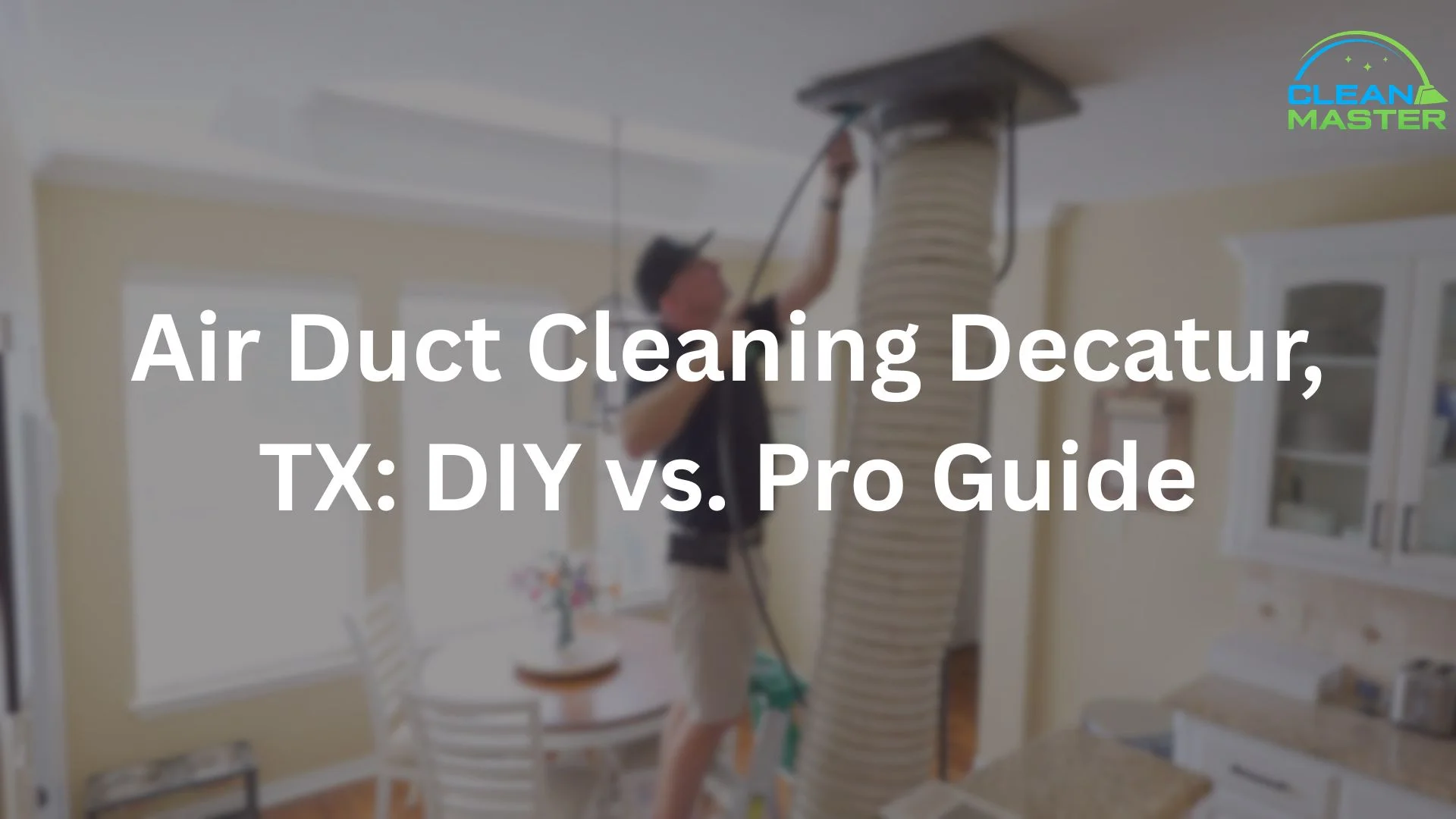
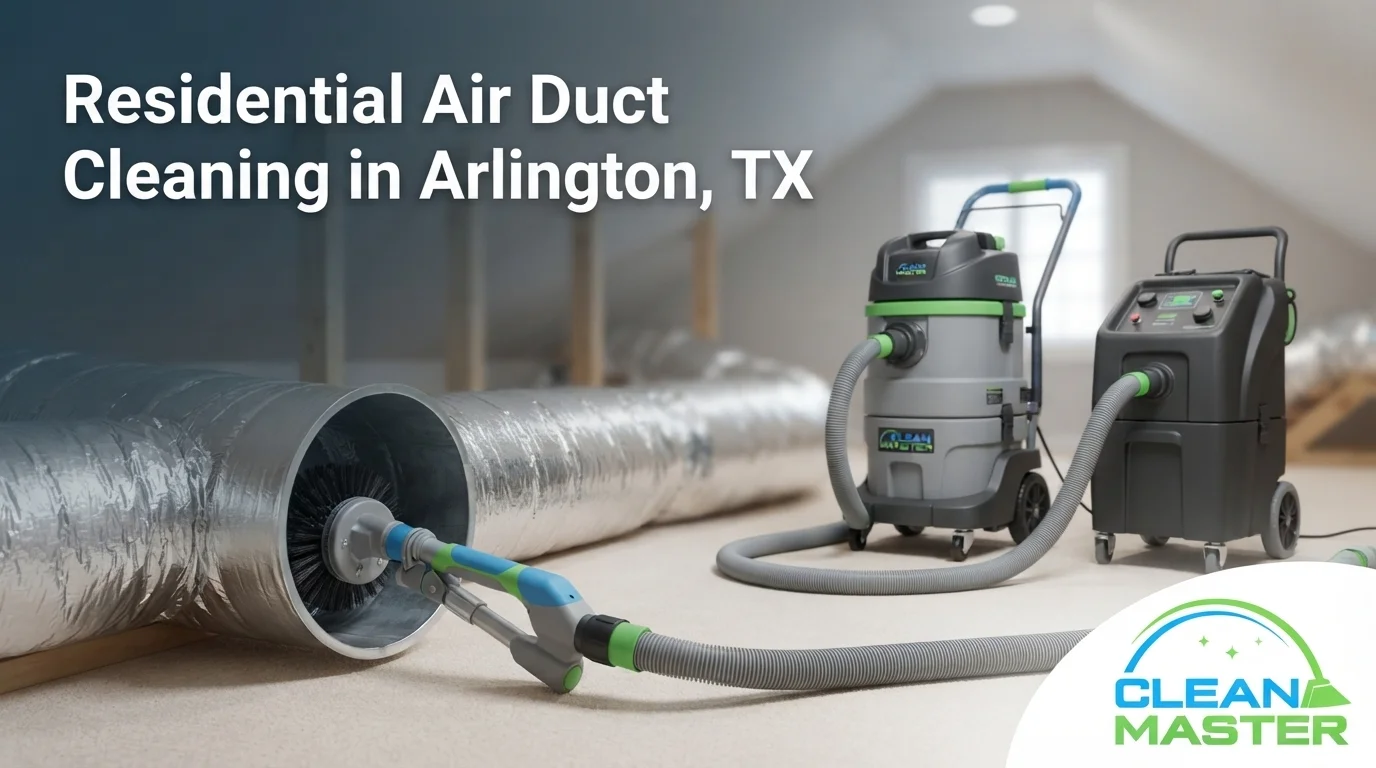
Air ducts work quietly in the background of a home, moving heated and cooled air through every room, day after day. Because they’re hidden inside walls and ceilings, it’s easy to forget they’re there at all, until dust starts collecting around vents, allergy symptoms seem worse indoors than outdoors, or the air in the house just feels less fresh than it should. Over time, ducts collect dust, debris, and other buildup that circulate through the home every time the HVAC system runs. This guide covers what residential air duct cleaning from Clean Master Carpet Cleaning involves, the signs it’s time to schedule one, and what to expect from a professional cleaning in Arlington. What Builds Up Inside Air Ducts Over Time Air ducts are constantly moving air through a home, and along the way, they pick up more than most people realize: None of this happens overnight. It’s a gradual buildup that occurs over years of normal HVAC operation, which is exactly why duct cleaning isn’t something most homeowners think about until it becomes noticeable. Because the buildup happens slowly and out of sight, many homeowners are surprised at just how much has accumulated by the time they finally have the system inspected. Managing an office or retail space? Read about commercial air duct cleaning in Arlington for business properties. Signs Your Air Ducts May Need Cleaning A few signs suggest it might be time to have your duct system cleaned: None of these signs guarantee duct cleaning is needed on their own, but a combination of a few of them is generally a good reason to have the system checked out. Homes that run the HVAC system heavily during Arlington’s long, hot summers and humid stretches also tend to see buildup accumulate a bit faster than homes in milder climates, simply due to how often the system cycles. How Residential Air Duct Cleaning Works We use portable professional-grade equipment designed specifically for reaching into and cleaning the duct system throughout a home. Here’s a general look at the process: The goal is a system that’s noticeably cleaner throughout, not just at the points closest to the main unit. A thorough cleaning pays attention to the full run of ductwork, including longer branches that feed rooms further from the central unit, since these are often the areas that get overlooked with a rushed or incomplete job. What’s Included, and What’s Optional Our standard residential duct cleaning service focuses on the duct system itself. Cleaning the vents, registers, and grilles you actually see in each room is available as a separate, optional add-on, since some homeowners prefer to handle those themselves or only want the duct system addressed. If you’d like the visible vent covers cleaned as part of the same visit, just mention it when scheduling so it can be included. Air Duct Cleaning Cost in Arlington, TX Pricing generally depends on the size of the home and number of vents connected to the system. As a general guide: Pricing Structure Details Per-vent pricing Falls in a general range depending on total vent count and system size Flat-rate whole-home cleaning Often available for standard-sized homes, based on square footage and number of duct runs For an accurate number specific to your home’s layout, the best step is a quick, free quote. Check our current specials as well, since duct cleaning is sometimes eligible for savings when scheduled alongside other services. Does Air Duct Cleaning Improve Air Quality? Cleaning the duct system removes built-up dust and debris that would otherwise continue circulating through the home every time the HVAC system runs. For homes with noticeable dust buildup, allergy sensitivities, or pets, this can make a real difference in day-to-day comfort. That said, air duct cleaning is one part of overall indoor air quality, alongside things like regular HVAC filter changes and general household cleaning, rather than a single fix for every air quality concern. Homeowners who combine duct cleaning with routine carpet cleaning often notice the best overall improvement in how fresh the home feels, since dust and allergens that settle into carpet fibers can otherwise get stirred back up and pulled right back into the duct system. How Often Should Air Ducts Be Cleaned? There’s no single fixed schedule that fits every home, but here’s a general guide: Household Situation General Guidance Average home, no major concerns Every 3 to 5 years Homes with pets More frequent cleaning may help with dander buildup Homes with allergy or respiratory sensitivities More frequent cleaning may be worth considering After a renovation or construction project Cleaning soon after is often a good idea, since dust and debris can enter the system during work If you’re not sure where your home falls, a good starting point is simply checking how long it’s been since the last cleaning, if you know it’s ever been done at all. Homes that have recently changed hands are also a good candidate for a first-time inspection, since new homeowners rarely have a clear history of when the ductwork was last serviced. Preparing for an Air Duct Cleaning Appointment There’s not much homeowners need to do to prepare, but a few small things help: Letting the technician know about specific rooms with noticeably worse airflow or dust also helps prioritize where extra attention may be needed during the appointment. Pairing Duct Cleaning With Other Home Maintenance Air duct cleaning fits naturally alongside other seasonal home care. Many Arlington homeowners schedule it around the same time as a deep carpet cleaning, especially heading into allergy-heavy spring months or before running the HVAC system heavily through summer. Homes with tile flooring near HVAC returns or heavily trafficked hallways may also want to consider tile and grout cleaning at the same time, since dust from ductwork tends to settle across every surface in the home, not just carpet. Frequently Asked Questions How often should residential air ducts be cleaned? Most homes benefit from cleaning every 3 to 5 years, though homes with