
Clean Master Carpet Cleaning
Tile & Grout Cleaning dallas

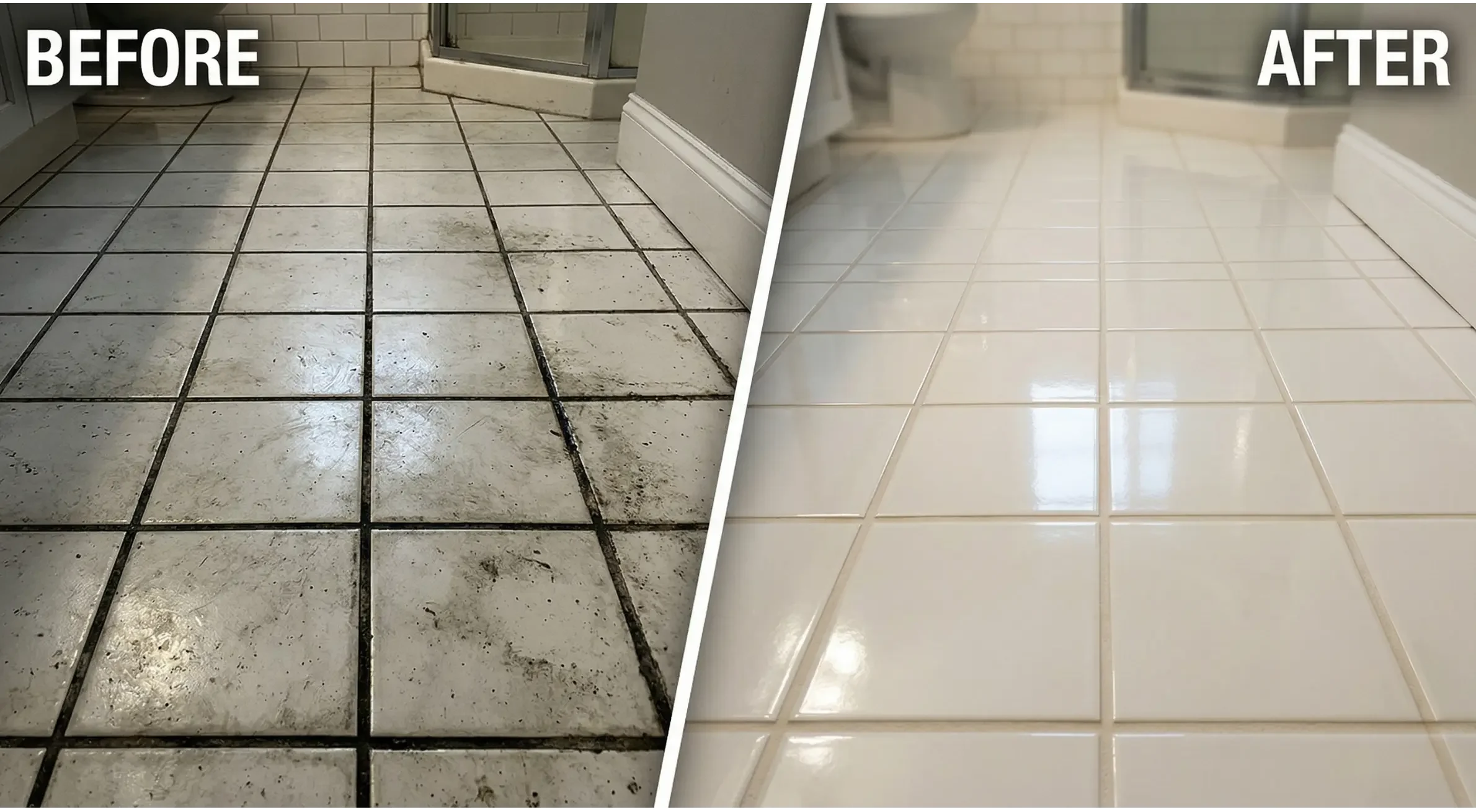
How to Clean Tile Grout With Toilet Bowl Cleaner (A Professional Cleaner’s Honest Guide)

If you’ve ever stared at grimy grout lines and wondered whether that bottle of toilet bowl cleaner under your sink could actually do the job  the answer is yes. Sometimes. At Clean Master Carpet Cleaning, we’ve been cleaning tile and grout professionally across the Dallas–Fort Worth area for years. We’ve tested just about every method out there, including this one. And while toilet bowl cleaner isn’t always the first thing we reach for on a tough job, it earns its place in the toolkit more often than people expect, especially for homeowners dealing with mild to moderate grout stains who want a quick, budget-friendly fix without ordering specialist products. Here’s exactly how to do it right, what to watch out for, and when to call in something stronger. Does Toilet Bowl Cleaner Actually Work on Grout? Short answer  yes, and better than most people expect for everyday staining. The reason it works is chemistry. Most toilet bowl cleaners, including the ones we’ve tested extensively  Clorox, Lysol, and HEB  contain hydrochloric acid or similar acidic compounds that break down mineral deposits, soap scum, mold, and mildew effectively. These happen to be exactly the same types of buildup that make grout look dark and dirty over time. In our professional experience, toilet bowl cleaner performs really well on mild to moderate grout stains across all tile types  bathroom, kitchen, and floor  and on all grout types including sanded, unsanded, and epoxy. For severe, deeply set staining though, dedicated grout cleaners are going to outperform it. We’ll get to that distinction later. What You’ll Need Before You Start Step by Step: How to Clean Tile Grout With Toilet Bowl Cleaner Step 1: Prepare the Area Before you apply anything, sweep or vacuum the tile surface to remove loose dirt and debris. This stops you from scrubbing grit into the grout and making the job harder than it needs to be. Open a window or turn on your bathroom fan  toilet bowl cleaners have strong fumes and you don’t want to be breathing them in a closed space. Put your rubber gloves on before you open the bottle. Non-negotiable. Step 2: Apply the Toilet Bowl Cleaner Apply the cleaner directly onto the grout lines. Most toilet bowl cleaner bottles have an angled nozzle that makes it easy to squeeze it along the grout lines in a controlled stream rather than flooding the whole tile surface. You don’t need to drench it, a consistent thin application across the grout lines is enough. Step 3: Let It Sit This is where most people go wrong; they either wipe it off too quickly or leave it on too long. For mild staining, 5 minutes is usually sufficient. For moderate staining, let it sit for up to 10 minutes. In our experience across hundreds of tile cleaning jobs in the DFW area, that 5–10 minute window hits the sweet spot for the cleaner to break down the buildup without risking any surface damage. Do not leave it on for more than 15 minutes. We tested this firsthand  on epoxy grout specifically, leaving the toilet bowl cleaner on for longer than 15 minutes and then scrubbing aggressively with a stiff bristle brush caused minor but noticeable surface damage. It’s not worth the risk. Step 4: Scrub the Grout Lines Once the dwell time is up, it’s time to scrub. Here’s how we approach it based on stain severity: Scrub in short back and forth motions along the grout lines rather than in circles. It’s more effective and keeps the cleaner working where it needs to. Step 5: Rinse Thoroughly Once you’ve scrubbed, rinse the entire area with clean water immediately. Make sure no cleaner residue is left sitting on the tile or grout  especially on colored grout, where prolonged contact could potentially affect the color over time. A mop or damp cloth works well for floor tiles, a showerhead or wet cloth for wall and bathroom tiles. What Grout Types Is This Safe For? In our professional testing across all grout types, toilet bowl cleaner is safe for: Toilet Bowl Cleaner vs Dedicated Grout Cleaners  Which Wins? Honestly? It depends entirely on what you’re dealing with. For mild to moderate staining  the kind most homeowners are dealing with on a regular basis, toilet bowl cleaner does a genuinely impressive job. It’s affordable, widely available, and when used correctly it delivers results that are hard to argue with. For severe, deeply set staining  years of buildup, heavy mold penetration, or grout that hasn’t been cleaned in a long time, dedicated grout cleaners are the stronger choice. They’re formulated specifically for this kind of work and they outperform toilet bowl cleaner when the staining is serious. Our rule of thumb at Clean Master Carpet Cleaning: start with toilet bowl cleaner for routine maintenance and moderate cleaning. If after two rounds it’s still not shifting, bring in a dedicated grout cleaner  or give us a call. Safety Rules  Don’t Skip These Three non-negotiables every time: Always wear gloves. Toilet bowl cleaners are acidic and will irritate your skin with prolonged contact. Rubber gloves, every single time. Always ventilate the space. The fumes from these cleaners build up fast in enclosed bathrooms. Open windows, run the fan, or prop the door open. If you feel lightheaded at any point, step out immediately. Never mix with other cleaners. This one is critical. Mixing toilet bowl cleaner with bleach or other household cleaners can produce toxic chlorine gas. Use it on its own, rinse completely before introducing any other product to the surface. Who Is This Method Best For? This method is ideal for homeowners dealing with mild to moderate grout staining who want a cost-effective, accessible solution using products they likely already have at home. If your grout is heavily stained, if you’re working with a large surface area, or if you’ve tried this method and it hasn’t shifted the buildup, that’s when professional tile and grout cleaning is worth considering. Our team

Read more

Why Homeowners Consider Using Bleach on Tile Floors

Bleach is widely available in most households and is commonly known as a powerful disinfectant, which is why many homeowners consider it for cleaning tile floors. It is often used in bathrooms and kitchens where tiles are exposed to moisture, stains, and bacteria, and people believe it can provide a quick “deep clean” solution. There is also a common assumption that bleach can remove almost all types of stains and kill germs instantly, making it a go-to option for heavy cleaning tasks. However, there is a concern that incorrect or frequent use of bleach may damage grout lines, affect tile finishes, or create strong fumes that impact indoor air quality. The quick answer is that bleach can disinfect tile surfaces and remove some stains effectively, but it is not ideal for regular use and may harm grout and certain tile materials over time. To understand this better, it is important to first look at how bleach actually works on tile surfaces. How Bleach Works on Tile Surfaces Bleach is a strong chemical cleaner that works mainly through oxidation, which allows it to break down stains, kill microorganisms, and lighten discoloration on surfaces. On tile floors, it is often used for its disinfecting ability and its effectiveness in removing visible mold or mildew. However, while it can be powerful on surface-level dirt, it does not always address deeper grime embedded in grout lines or porous surfaces. Its performance depends heavily on how it is used and the type of tile being cleaned. Strong Disinfection Power One of the main reasons bleach is used on tile floors is its strong disinfecting ability. When it is diluted correctly and left on the surface for the contact time listed on the product label, it kills many bacteria, viruses and mold spores on hard surfaces, which is why it is popular for bathroom sanitation. Because tile surfaces are generally non-porous, bleach works well on them for hygiene purposes. It helps reduce germs and improve cleanliness, especially in areas that are frequently exposed to moisture. However, this benefit mainly applies to surface-level disinfection rather than deep cleaning of grout or embedded dirt. Stain Removal Capability Bleach is also known for its ability to lighten organic stains such as mold and mildew. It can improve the appearance of discolored grout lines by reducing visible staining. However, it does not always remove the root cause of deep stains, especially those that have penetrated into porous grout. Its effectiveness is mostly limited to surface-level discoloration, which means stains may return over time if the underlying buildup is not addressed properly. Chemical Nature of Bleach Bleach is a highly alkaline and reactive chemical, which gives it strong cleaning and disinfecting power. However, this same chemical strength means it can also react with certain flooring materials if not used correctly. It can break down dirt and stains, but it may also affect grout, sealants, or sensitive tile finishes. Because of this, bleach must always be diluted properly and handled with care to avoid damage or long-term surface issues. Never mix bleach with ammonia, vinegar or other acidic cleaners, because the combination releases toxic gases, and keep the room ventilated while you work. Read also: Is Bleach Safe for Tile Floors? Bleach can be safe for tile floors in certain conditions, but its safety depends heavily on the type of tile, concentration level, and how frequently it is used. While it is effective for occasional deep cleaning and disinfection, it is not suitable for all surfaces or for regular maintenance cleaning. Understanding when it is safe and when it should be avoided is important to prevent damage to flooring materials and maintain long-term tile condition. When Bleach Can Be Used Safely Bleach can generally be used safely on ceramic and porcelain tiles, especially when it is properly diluted with water. These surfaces are more resistant to chemical reactions compared to natural stone. It is best used occasionally for deep cleaning or sanitizing rather than daily maintenance. When used correctly, it can help remove surface stains and disinfect floors without causing immediate damage. When Bleach Should NOT Be Used Bleach should not be used on natural stone tiles such as marble, granite, or travertine, as it can cause permanent damage and dull the surface. It is also not suitable for colored grout, as it may cause fading or discoloration. Additionally, frequent or daily use of bleach is not recommended because it can gradually weaken grout and protective sealants over time. Why Safety Depends on Conditions The safety of bleach depends on several factors, including its concentration level, the ventilation in the area, and the type of tile being cleaned. Stronger solutions increase the risk of damage, while poor ventilation can create harmful fumes indoors. The condition of grout and the presence of sealants also play a major role in how the surface reacts to bleach. How Bleach Performs on Different Tile Types Bleach does not perform the same way on every type of tile, and its effectiveness and safety depend heavily on the material being cleaned. While it can be useful for disinfecting certain hard surfaces, its chemical strength can also cause damage if used on sensitive flooring types. Understanding how bleach interacts with different tile materials helps prevent long-term damage and ensures better cleaning results. Below is a breakdown of how it typically performs on common tile surfaces found in homes. Ceramic Tile Floors Ceramic tile floors are generally safe to clean with diluted bleach because they have a hard, non-porous surface. Bleach works well for disinfecting these floors and removing surface-level stains, especially in kitchens and bathrooms. However, it has limited ability to clean deep grout stains, as grout is more porous and absorbs dirt over time. While ceramic tiles can handle occasional bleach use, it should still be used sparingly to avoid unnecessary wear on grout lines or sealants. Porcelain Tile Floors Porcelain tile is also relatively resistant to bleach, making it suitable for cleaning and sanitizing when properly
Read more

Is baking soda good for cleaning tiles?

Baking soda is one of the most commonly used household cleaning products, especially for kitchens and bathrooms where tile surfaces collect daily dirt and stains. Many homeowners prefer it because it is natural, inexpensive, and generally non-toxic, making it a safe alternative to harsh chemical cleaners. It is often used as a DIY solution for removing light stains, neutralizing odors, and freshening up tile floors without much effort. However, there is a common concern that improper use of baking soda may lead to residue buildup or fail to clean deeper grout stains effectively. The quick answer is that baking soda is good for light tile surface cleaning and mild stain removal, but it is not strong enough for deep grout cleaning or heavy, embedded buildup. To understand its real effectiveness, it is important to first look at how baking soda actually works as a cleaning agent. How Baking Soda Works As A Cleaning Agent Baking soda works as a mild yet versatile cleaning agent due to its gentle abrasive nature and chemical properties. It is commonly used for surface-level cleaning tasks where light dirt, stains, or odors need to be removed without damaging the tile finish. While it is not a heavy-duty cleaner, it can still be effective in maintaining cleanliness when used correctly on tile surfaces. Its effectiveness depends on how it interacts with stains, grease, and odors on the floor. Mild Abrasive Action For Stains One of the main reasons baking soda is effective for tile cleaning is its mild abrasive texture. It gently scrubs away surface dirt and stains without scratching or damaging most tile finishes. This makes it suitable for everyday cleaning tasks where light grime has built up on the surface. Homeowners often use it as a paste to manually scrub away marks on tiles and grout lines. While it works well for removing fresh or light stains, it is not strong enough to eliminate deep-set dirt or long-term discoloration. Odor Neutralizing Properties Baking soda is also well known for its ability to neutralize odors, which makes it especially useful in kitchens, bathrooms, and laundry areas. It absorbs unpleasant smells that may come from grout lines, spills, or moisture buildup on tile surfaces. This helps improve the overall freshness of the space without the need for chemical fragrances. While it does not remove the source of deep contamination, it helps reduce surface-level odors effectively, making floors feel cleaner and more hygienic. Reaction With Water And Grease When mixed with water, baking soda forms a paste that can help lift light grease and grime from tile surfaces. This paste works by loosening mild buildup and making it easier to scrub away dirt during cleaning. It is particularly useful for small kitchen spills or minor surface stains. However, its cleaning power is limited when it comes to heavy oil buildup or deeply embedded stains. In such cases, stronger degreasing or professional cleaning solutions are required. Can Baking Soda Clean Tile Floors Properly? What You Should Know  Baking soda can be a helpful cleaning option for certain tile surfaces, but its effectiveness largely depends on the type of dirt and condition of the flooring. It is best suited for light maintenance rather than deep cleaning tasks. While many homeowners rely on it for quick cleaning, it is important to understand both its strengths and limitations before using it regularly on tile floors. When It Works Well Baking soda works well for removing light dirt, dust, and fresh stains from tile surfaces. It is especially effective on ceramic tiles where surface grime has not deeply settled. For regular maintenance cleaning, it can help keep floors looking fresh without using harsh chemicals. It is also useful for quick touch-ups in areas that do not experience heavy foot traffic or grease buildup. In these situations, baking soda provides a simple and safe cleaning solution. When It Does Not Work Well Baking soda is not effective for deep grout discoloration or long-standing stains. It struggles to clean kitchen grease buildup where oil has penetrated the surface over time. It is also not suitable for removing mold or mildew stains commonly found in bathrooms. In these cases, the dirt is too deeply embedded for baking soda to reach, making stronger or specialized cleaning products necessary for proper results. Why Results Vary The effectiveness of baking soda depends on several factors, including the type of tile surface being cleaned. Some materials respond better than others, especially smooth ceramic tiles compared to porous surfaces. The condition of grout lines also plays a major role, as heavily stained grout is harder to clean with mild products. Additionally, the overall level of dirt buildup directly affects how well baking soda performs during cleaning. Read also: How To Use Baking Soda For Cleaning Tiles (Step-By-Step Guide) Baking soda can be used in different ways for tile cleaning depending on the level of dirt and the area being cleaned. While it is not a heavy-duty cleaner, it is effective for light maintenance and surface-level stains when applied correctly. The key is using the right method for the right type of cleaning task to avoid residue buildup or ineffective results. Below are the most common and practical ways to use baking soda on tile floors. Baking Soda Paste Method The baking soda paste method is one of the most effective ways to clean small stains on tile and grout. To use this method, mix baking soda with a small amount of water until it forms a thick paste. Apply it directly onto stained tiles or grout lines and gently scrub using a soft brush or sponge. After scrubbing, rinse the area thoroughly with clean water. This method works best for light stains and surface dirt but may not remove deep or long-term discoloration. Baking Soda + Vinegar Combination When baking soda is combined with vinegar, it creates a chemical reaction that helps lift dirt and loosen grime from tile surfaces. This combination can be useful for tougher stains that
Read more

Is Vinegar Good For Cleaning Tiles?

Vinegar is one of the most commonly used household cleaning solutions, especially when it comes to tile floors. Many homeowners prefer it because it is inexpensive, widely available, and often considered a “natural” alternative to chemical cleaners. It is frequently used in DIY cleaning routines for kitchens, bathrooms, and general floor maintenance. However, while vinegar may seem like a universal cleaner, not all tile surfaces react safely to its acidic nature. Certain materials, especially natural stone and poorly sealed grout, can be affected over time if vinegar is used incorrectly or too often. This raises an important question for homeowners: is vinegar good for cleaning tiles in all situations? The quick answer is that vinegar can be effective for removing light dirt, soap residue, and water spots on ceramic and porcelain tiles, but it is not suitable for all tile types and should be avoided for natural stone and heavy grout cleaning. To understand its true effectiveness, it is important to first look at how vinegar actually works as a cleaning agent. How Vinegar Works As A Cleaning Agent Vinegar is widely used in home cleaning because of its acidic properties, which allow it to break down certain types of dirt and residue. However, its effectiveness depends on the surface and type of buildup it is being used on. On tile floors, vinegar can help with light cleaning tasks, but it is not a complete solution for deep stains, grease, or grout-related issues. Understanding how vinegar works helps explain both its benefits and its limitations when used on tile surfaces. Acidic Nature Breaks Down Dirt Vinegar contains acetic acid, which is the main reason it is effective in breaking down certain types of household buildup. This acidity helps dissolve light mineral deposits, dust layers, and minor grime that collect on tile surfaces over time. Because of this, vinegar tends to work best on surface-level cleaning rather than deep cleaning. It can make tiles look cleaner and brighter in the short term, especially when dirt is not heavily embedded. However, its ability to penetrate deeper layers, such as grout lines or hardened stains, is limited, which reduces its effectiveness in more serious cleaning situations. Effective Against Soap Scum And Water Spots One of vinegar’s most useful cleaning applications is removing soap scum and water spots, particularly in bathrooms and kitchens. These residues often create a dull or cloudy film on tile surfaces, making them look less clean even after mopping. The acidic nature of vinegar helps break down this buildup, restoring some shine and clarity to the tiles. It is commonly used in spray-and-wipe cleaning routines for quick maintenance. However, while it works well for these light residues, it is not strong enough to handle heavy grease, deep stains, or long-term buildup in grout lines. Not A Heavy-Duty Cleaner Despite its popularity, vinegar is not designed to be a heavy-duty cleaning solution. It struggles with deeply embedded grease, long-standing stains, and thick grime layers commonly found in kitchens and high-traffic areas. Its limited strength also means it cannot effectively clean discolored grout or restore heavily soiled tile surfaces. In most cases, vinegar only addresses what is visible on the surface, leaving deeper contamination untouched. This is why it is often considered a maintenance cleaner rather than a restoration solution. For more serious tile cleaning needs, stronger or specialized cleaning methods are usually required. Should You Use Vinegar On Tile Floors? Full Safety Guide Whether vinegar is good for cleaning tile floors depends heavily on the type of tile, the level of dirt, and how frequently it is used. In some situations, it can be a helpful and inexpensive cleaning option, but in others, it may not deliver the results homeowners expect. While it is often used for quick cleaning tasks, it is not a one-size-fits-all solution for all tile flooring conditions. Understanding when it works and when it should be avoided is essential for maintaining both the appearance and durability of tile surfaces. When Vinegar Works Well Vinegar works best on ceramic tile surfaces and porcelain tiles that have a sealed finish. In these cases, it can effectively remove light dust, fingerprints, and everyday smudges without much effort. It is particularly useful for routine maintenance cleaning when floors are not heavily soiled. Homeowners often use diluted vinegar solutions for quick wipe-downs that help maintain a fresh appearance between deeper cleanings. In these controlled situations, vinegar can be a convenient and cost-effective option for keeping tile floors looking presentable without using harsh chemicals. When Vinegar Should NOT Be Used There are several situations where vinegar should be avoided on tile floors. Natural stone tiles such as marble, limestone, or travertine are especially sensitive to acidic substances and can become etched or permanently damaged. Vinegar is also not suitable for heavily stained grout or floors with long-term buildup, as it lacks the strength to remove deep contamination. Additionally, using vinegar too frequently for deep cleaning can gradually affect surface finishes and protective sealants. In these cases, using specialized tile cleaners or professional cleaning services is a safer and more effective option. Why Results Vary The effectiveness of vinegar on tile floors can vary significantly depending on several factors. The type of tile plays a major role, as smooth, non-porous surfaces respond better than textured or porous ones. The condition of the grout also affects results, since dirty or damaged grout requires stronger cleaning methods. Another important factor is the presence of sealers or protective coatings, which may reduce how well vinegar interacts with the surface. Finally, the overall level of dirt and grime buildup determines whether vinegar will be sufficient or if a more powerful cleaning approach is needed. Using White Vinegar On Tile Floors (What You Should Know) White vinegar is often the preferred choice for homeowners because it is clear, inexpensive, and widely available. It is commonly used as a DIY cleaning solution for tile floors, especially when people want a natural alternative to chemical cleaners. While it can be
Read more

Can You Use Hardwood Floor Cleaner On Tile?

Many homeowners already have a hardwood floor cleaner sitting in a closet and wonder whether it can be used on tile floors as well. Since both hardwood and tile are hard flooring surfaces, it seems reasonable to assume the same cleaner could work on both.  However, tile floors have very different cleaning requirements, especially when grout lines are involved. Using the wrong product may not necessarily damage the tile, but it can leave behind residue, fail to remove grime effectively, or allow grout to become increasingly dirty over time. The short answer is that some hardwood floor cleaners can safely clean certain tile surfaces for light maintenance and everyday dust removal, but they are not specifically formulated for grout cleaning or deep tile care. For the best long-term results, it is important to understand how tile differs from hardwood and why specialized cleaning methods often perform much better on tile flooring systems. Why Tile Floors Have Different Cleaning Requirements Although tile and hardwood floors may appear similar from a distance, they behave very differently when exposed to dirt, moisture, and everyday wear. Hardwood floor cleaners are designed with wood protection in mind, while tile floors often require products capable of handling moisture, grout contamination, and heavier residue. This difference is why a cleaner that works well on hardwood may not always provide the same results on tile. Understanding these differences helps homeowners make better decisions about floor care and avoid cleaning methods that only address surface-level dirt while leaving deeper issues untreated. Tile And Grout Function Differently Tile surfaces are generally resistant to moisture and are easier to wipe clean than many other flooring materials. Grout, however, is completely different. Grout contains tiny pores that absorb dirt, moisture, oils, and cleaning residues over time. While the tile itself may look clean after mopping, the grout can continue holding contaminants beneath the surface. This is one reason why tile floors often appear dirty even after routine cleaning. Because grout behaves differently from tile, it requires cleaning methods that can penetrate below the surface rather than simply removing visible dirt. Hardwood floor cleaners are usually not formulated to address this challenge effectively. Tile Faces Unique Contaminants Tile floors encounter contaminants that are often very different from those found on hardwood floors. In kitchens, grease, cooking oils, and food residue frequently settle onto tile surfaces and grout lines. In bathrooms, soap scum, hard water deposits, moisture, and mildew become common problems.  Entryways and hallways collect outdoor dirt, dust, and debris that get pushed into grout through foot traffic. These contaminants often require specialized cleaning solutions capable of breaking down stubborn buildup. Hardwood floor cleaners are primarily intended for light maintenance and may struggle to remove the heavier forms of contamination commonly found on tile floors. Hardwood Cleaners Have A Different Purpose Most hardwood floor cleaners are carefully formulated to protect wood finishes and maintain the appearance of sealed hardwood surfaces. Their primary goal is gentle cleaning without damaging protective coatings. Because of this, they often focus on removing dust, footprints, and minor surface dirt rather than tackling deeply embedded grime. Tile floors generally do not require the same finish protection as hardwood, which means their cleaning products can be formulated differently. While hardwood cleaners may leave a floor looking cleaner initially, they are not typically designed to address the deeper cleaning challenges associated with tile and grout. Surface Cleaning Vs Deep Cleaning One of the biggest misconceptions about tile care is assuming a floor is completely clean simply because the surface looks good. Surface cleaning removes visible dust and debris, but deep cleaning targets the contaminants hidden within grout lines and textured tile surfaces. Tile floors can accumulate years of dirt beneath the surface while still appearing relatively clean from a distance. Hardwood floor cleaners are usually intended for surface maintenance rather than deep restoration. For homeowners dealing with stained grout, recurring dirt, or long-term buildup, deeper cleaning methods are often necessary to achieve truly clean floors. Read also:Can I Use Murphy Wood Cleaner On Tile? Is Hardwood Floor Cleaner Safe To Use On Tile Surfaces? In many situations, hardwood floor cleaner can be used on tile surfaces without causing immediate damage, but that does not necessarily mean it is the best option. These products are designed to maintain hardwood flooring rather than clean tile and grout. As a result, their effectiveness depends heavily on the type of tile, the amount of dirt present, and the condition of the grout. For light maintenance cleaning, hardwood floor cleaner may provide acceptable results. However, when dealing with grease, stains, moisture-related buildup, or dirty grout lines, its limitations quickly become noticeable. Before using any hardwood cleaner on tile, homeowners should understand where it works well and where it falls short. This helps prevent wasted effort and ensures the floor receives the level of cleaning it actually needs. Situations Where It Can Work Hardwood floor cleaner can work reasonably well when the goal is simple maintenance cleaning. It is often effective for removing light dust, footprints, pet hair, and minor surface dirt from tile floors. Homeowners who clean frequently may use it as a quick touch-up solution between more thorough cleaning sessions.  Since many hardwood cleaners are designed to leave minimal residue, they can help improve the appearance of smooth tile surfaces. However, their effectiveness is largely limited to visible surface dirt rather than deeper contamination. Situations Where It Performs Poorly The limitations of hardwood floor cleaner become more obvious when heavier contamination is present. Deep grout staining, kitchen grease buildup, and bathroom mildew are common examples. These issues often require products specifically formulated to break down oils, soap residue, bacteria, and embedded dirt. Hardwood cleaners generally lack the strength and targeted ingredients needed for these challenges. As a result, the floor may appear cleaner immediately after use, but the underlying buildup often remains unchanged. Factors That Affect Results Several factors determine how well a hardwood floor cleaner performs on tile. The type of tile plays
Read more

Can I Use Murphy Wood Cleaner On Tile?

Many homeowners already have Murphy Wood Cleaner at home and wonder whether it can be used on tile floors instead of purchasing a separate tile cleaning product. The idea is appealing because using one cleaner for multiple floor types seems convenient and cost-effective. However, tile and grout surfaces have very different cleaning requirements than hardwood floors. While Murphy Wood Cleaner can help remove light dust, footprints, and surface dirt from some tile surfaces, it is not specifically designed for tile and grout maintenance. As a result, it may not provide the deep cleaning power needed for grout lines, grease buildup, or bathroom residue. The quick answer is that Murphy Wood Cleaner can be used for light surface cleaning on certain tile floors, but it should not be relied upon for deep tile or grout cleaning. Before deciding whether to use it regularly, it is important to understand what the product was originally designed to do and how that differs from tile cleaning needs. Understanding What Murphy Wood Cleaner Is Designed To Do Murphy Wood Cleaner was developed specifically for wood floor maintenance and surface care. Its cleaning formula focuses on preserving the appearance of hardwood while removing everyday dirt and dust. Although it can clean hard surfaces, its intended purpose differs significantly from cleaners made for tile and grout. Created For Finished Wood Surfaces Murphy Wood Cleaner is primarily designed for sealed and finished hardwood floors. Its formula helps clean dirt and dust without harming the protective coating that gives wood its shine and durability. Because hardwood flooring can be sensitive to harsh chemicals, the cleaner is formulated to be gentle while still providing effective surface cleaning. This wood-focused design makes it ideal for maintaining hardwood appearance, but it also means it is not specifically engineered to tackle grout stains, mineral deposits, or other common tile-related issues. Focuses On Surface Cleaning One of the main purposes of Murphy Wood Cleaner is routine surface maintenance. It works well for removing footprints, light dust, and everyday dirt that accumulates on floor surfaces. This makes it useful for keeping floors looking fresh between deeper cleaning sessions.  However, it is not intended for heavy-duty cleaning tasks such as removing grease buildup, soap scum, or embedded dirt. Its cleaning strength is designed for maintenance rather than restoration, which limits its effectiveness on heavily used tile floors. Different Purpose Than Tile Cleaners Tile cleaners and wood cleaners are designed with different goals in mind. Wood cleaners focus on protecting floor finishes and maintaining appearance, while tile cleaners are often formulated to break down dirt, grease, and grime that become trapped in grout lines. Tile and grout surfaces also face challenges such as moisture exposure, mildew, and mineral buildup that hardwood floors do not encounter. Because of these differences, tile cleaners typically provide deeper cleaning action and better grout care than products made for wood surfaces. Is Murphy Wood Cleaner Suitable For Tile Floors? Murphy Wood Cleaner can work on certain tile floors under specific conditions, but it is not a complete tile cleaning solution. Its effectiveness depends on the type of tile, the condition of the grout, and the amount of dirt present. Understanding where it performs well and where it struggles can help homeowners make a better cleaning decision. Situations Where It May Work Murphy Wood Cleaner may work reasonably well for light maintenance cleaning on ceramic or porcelain tile surfaces. It can remove everyday dust, footprints, and minor surface dirt, helping floors look cleaner and fresher. It is also useful as a quick touch-up cleaner between more thorough cleaning sessions. If the tile floor is already in good condition and does not have significant grout staining or heavy buildup, Murphy Wood Cleaner can provide acceptable results for basic maintenance. Situations Where It Falls Short There are several situations where Murphy Wood Cleaner is not the best option. Deep grout discoloration, kitchen grease accumulation, and bathroom soap scum are all examples of problems that require stronger cleaning solutions. Because the cleaner is designed for wood maintenance rather than deep stain removal, it cannot effectively penetrate grout lines or break down stubborn residue. In these situations, specialized tile and grout cleaners provide far better results. Read also:Can You Use Hardwood Floor Cleaner On Tile? Why Results Vary From Home To Home The performance of Murphy Wood Cleaner on tile floors varies depending on several factors. The type of tile surface plays a role because smooth ceramic tiles are easier to clean than textured surfaces. The amount of exposed grout also affects results, since grout tends to trap dirt more deeply than tile. In addition, homes with high foot traffic, pets, or frequent spills often require stronger cleaning products than homes with lighter floor use. This is why some homeowners may find Murphy Wood Cleaner adequate for their needs while others notice limited results. How Murphy Wood Cleaner Performs On Different Tile Materials Not all tile floors respond the same way to Murphy Wood Cleaner. The effectiveness of the product depends largely on the type of tile, the condition of the grout, and how much dirt has accumulated over time. While it may provide acceptable results on some smooth tile surfaces, its limitations become more noticeable on textured floors and grout-heavy installations. Understanding how it performs on different materials can help homeowners decide whether it is a suitable option for their floors. Ceramic Tile Floors Murphy Wood Cleaner generally performs best on ceramic tile floors because ceramic surfaces are smooth and easy to maintain. It can remove everyday dust, footprints, and light debris without much difficulty, making it useful for routine maintenance cleaning. Homeowners who simply want to freshen up their floors between deeper cleaning sessions may find it adequate. However, its cleaning ability is mostly limited to the tile surface itself. Grout stains and dirt trapped between tiles typically remain untouched because the cleaner is not formulated to penetrate porous grout lines effectively. Porcelain Tile Floors Porcelain tile floors are dense and less porous than
Read more

Can You Use Method Wood Floor Cleaner On Tile?

Many homeowners keep Method wood floor cleaner in their homes because it is known for being eco-friendly, safe, and effective on hardwood surfaces. Naturally, this leads to a common question: can the same product also be used on tile floors? The confusion usually comes from the idea that a cleaner designed for one hard surface should work just as well on another. However, tile and grout behave very differently from wood, especially when it comes to dirt buildup and moisture exposure. Using the wrong cleaner can sometimes lead to streaking, residue buildup, or ineffective grout cleaning over time. The quick answer is that Method wood floor cleaner can handle light surface dirt on tile, but it is not designed for grout cleaning or deep tile maintenance. To understand its limitations and proper use, it is important to first look at how Method products are actually formulated and what they are intended to clean. What Method Wood Floor Cleaner Is Designed For Method wood floor cleaner is specifically created for maintaining finished hardwood floors rather than multi-surface or deep cleaning applications. Its formulation is designed around protecting delicate wood finishes while still providing safe and gentle cleaning. This makes it effective for wood, but not ideal for porous or heavily soiled surfaces like tile grout. Made For Finished Wood Floors Method wood floor cleaner is designed primarily for sealed and finished hardwood flooring. Its main goal is to clean the surface without damaging the protective coating that gives wood its shine and durability. It avoids harsh chemicals that could strip or dull the finish, making it safe for regular use on wood. However, this gentle approach also means it is not strong enough to clean porous materials like grout, which require deeper penetration to remove embedded dirt and stains. Eco-Friendly Surface Cleaning Formula One of the key features of Method wood floor cleaner is its plant-based, eco-friendly formulation. It is made with ingredients that are safer for households, pets, and the environment, which is why it is popular for daily cleaning tasks. However, being eco-friendly also means it is designed for light cleaning rather than heavy-duty stain removal. It works best on surface-level dirt such as dust, smudges, and footprints but is not formulated to break down grease, soap scum, or long-term grime buildup found in tile grout. Low Intensity Cleaning Purpose Method wood floor cleaner is intended for low-intensity, everyday maintenance cleaning rather than deep cleaning or restoration work. It helps keep floors looking fresh by removing light dirt before it builds up. This makes it ideal for quick touch-ups and routine cleaning schedules. However, because it is not a strong degreaser or stain remover, it struggles with kitchen grease, bathroom residue, and embedded dirt inside grout lines. Its purpose is maintenance, not deep tile or grout restoration. How Method Cleaner Performs On Different Tile Types Method wood floor cleaner behaves differently depending on the type of tile surface, since each material has unique cleaning requirements. While it can be suitable for light maintenance in some cases, it is not equally effective across all tile types, especially when grout or deep cleaning is involved. Ceramic Tiles Ceramic tiles are the most compatible surface for Method wood floor cleaner. It is generally safe and effective for removing light surface dirt, dust, and everyday smudges. It helps maintain a clean appearance without damaging the tile finish. However, even on ceramic tiles, it does not clean grout deeply, so embedded dirt between tiles may still remain. Porcelain Tiles Porcelain tiles are dense and less porous, which makes them easier to clean with light maintenance products. Method cleaner can be used for routine cleaning on porcelain floors, especially for removing surface dust and light dirt. However, it does not provide deep cleaning for grout lines, meaning stains and buildup in joints will still require stronger solutions. Natural Stone Tiles Natural stone tiles require extra caution when selecting cleaning products. Method wood floor cleaner is not always recommended because stone surfaces can react differently to certain formulations. In some cases, it may leave residue or affect the natural finish. Stone-safe cleaners are generally a better and safer option for these surfaces. Textured / Grout-Heavy Floors On textured tile or floors with heavy grout lines, Method wood floor cleaner has limited effectiveness. Dirt tends to settle deeper into uneven surfaces and grout joints, where light cleaners cannot reach. As a result, the tile surface may appear clean, but embedded dirt inside grout remains, reducing overall cleaning results. Read also:Can You Use Swiffer Wood Floor Cleaner On Tile?  Problems When Using Wood Floor Cleaner On Tile Using wood floor cleaners like Method on tile surfaces may seem convenient, but it often leads to incomplete cleaning results. While the tile surface may look fine at first, deeper issues remain in grout lines and heavily used areas. Over time, these hidden problems can affect both appearance and hygiene. Grout Remains Dirty One of the biggest issues is that grout lines stay dark even after cleaning. The surface of the tile may look clean, but grout does not get properly cleaned because wood floor cleaners are not designed to penetrate porous materials. As a result, dirt remains trapped below the surface, creating an uneven and unclean appearance. No Deep Cleaning Action Wood floor cleaners are designed for light surface maintenance, not deep cleaning. They cannot break down embedded grease, soap scum, or long-term dirt buildup. This means that while floors may appear refreshed temporarily, the deeper grime inside grout lines remains untouched and continues to accumulate over time. Possible Residue Build-Up With repeated use, some wood floor cleaners may leave behind a light residue on tile surfaces. This can gradually reduce the natural shine of the floor and make it appear slightly dull or streaky. It can also cause dirt to stick more easily, making future cleaning less effective. False Clean Appearance Another hidden issue is that floors may look clean on the surface but are not fully sanitized.
Read more

Can You Use Swiffer Wood Floor Cleaner On Tile? 

Many homeowners already keep Swiffer wood floor cleaner at home because it is convenient, quick to use, and effective on hardwood surfaces. Because of this, it is very common to wonder whether the same product can also be used on tile floors instead of buying a separate cleaner. The confusion usually comes from the idea that if a product cleans one hard surface, it should work on all floors. However, tile and grout behave differently from wood, especially when it comes to dirt buildup and moisture exposure. Using the wrong cleaner can sometimes leave streaks, residue, or fail to clean grout properly over time. The quick answer is that Swiffer wood floor cleaner can remove light surface dirt on tile, but it is not designed for grout cleaning or deep tile restoration. To understand why, it’s important to first look at how Swiffer products are actually formulated and what they are intended to clean. What Swiffer Wood Floor Cleaner Is Designed For Swiffer wood floor cleaner is specifically created for maintaining sealed hardwood floors, not for deep cleaning porous surfaces like tile grout. Its formulation is focused on protecting wood finishes while providing quick, easy daily cleaning. This is why it performs well on wood but has limitations when used on tile surfaces. Focus On Sealed Wood Surfaces Swiffer wood floor cleaner is designed mainly for sealed and finished hardwood flooring. Its purpose is to protect the wood’s surface coating while gently removing dust and light dirt. It avoids harsh ingredients that could damage or strip the wood finish. Because of this gentle formulation, it is not made to handle porous materials like grout, which require stronger cleaning agents to remove embedded dirt and stains. On wood floors, it helps maintain shine and appearance, but on tile, it does not interact deeply with grout lines or textured surfaces where dirt tends to settle. Light Daily Cleaning Formula This cleaner is intended for quick, everyday maintenance rather than deep cleaning. It works well for removing footprints, dust, and light surface dirt that builds up on floors during daily use. The formula is not strong enough to break down grease, soap scum, or long-term stains commonly found in kitchens and bathrooms. While it can make tile floors look temporarily cleaner, it does not address deeper contamination that sits below the surface, especially inside grout lines. Low-Residue Surface Cleaning One of the key features of Swiffer wood floor cleaner is its low-residue design. It is formulated to leave minimal streaking or buildup on hardwood surfaces, helping maintain a smooth, polished appearance. However, when used on tile, especially textured or grout-heavy floors, this low-strength formula may not fully lift embedded dirt. While it keeps wood looking shiny, it does not provide the same level of deep cleaning needed for tile surfaces that require more intensive cleaning power. How Swiffer Performs On Different Tile Surfaces Swiffer wood floor cleaner reacts differently depending on the type of tile surface, since not all tiles have the same texture, absorption level, or cleaning requirements. While it can work for light cleaning in some cases, its limitations become more noticeable on certain tile types. Ceramic Tile Floors Ceramic tile is generally the most compatible surface for Swiffer wood floor cleaner. It can safely remove light dust and everyday dirt without damaging the tile finish. However, even on ceramic tile, it does not clean grout effectively, so deeper dirt between tiles may still remain. Porcelain Tile Floors Porcelain tiles are dense and low-porosity, which makes them easier to maintain with light cleaners like Swiffer. It can handle routine surface cleaning on porcelain floors, but it does not address grout stains or deeper embedded dirt. Over time, grout lines may still require stronger cleaning methods. Natural Stone Tiles Natural stone surfaces require extra caution when choosing cleaning products. Swiffer wood floor cleaner is not always recommended for these surfaces because stone can react differently to chemical formulas. In some cases, it may leave residue or affect the natural finish, making stone-safe cleaners a better option. Textured Or Grout-Heavy Floors On textured tiles or floors with heavy grout lines, Swiffer has limited effectiveness. Dirt tends to settle deeper into uneven surfaces and grout joints, where light cleaners cannot reach. As a result, the tile surface may look cleaner, but embedded dirt in grout remains unchanged, reducing overall cleaning results. Problems When Using Wood Floor Cleaner On Tile Using a wood floor cleaner on tile surfaces may seem harmless, but over time it can create cleaning issues that are not immediately visible. These problems usually appear gradually and affect both appearance and hygiene, especially in grout-heavy or high-traffic areas. Grout Stays Dirty Even After Cleaning One of the most common issues is that grout lines remain dark even after cleaning the floor. While the tile surface may look visibly cleaner, the cleaner does not penetrate deep enough into grout to remove embedded dirt. This creates an uneven look where tiles appear clean but grout remains stained and dull. No Deep Cleaning Effect Wood floor cleaners are designed for surface maintenance only, so they cannot break down grease, soap scum, or deeply embedded grime. As a result, dirt that sits below the surface remains untouched, especially in kitchens and bathrooms where buildup is heavier and more persistent. Residue Build-Up Over Time With repeated use, some wood floor cleaners can leave a light residue on tile surfaces. This may gradually reduce shine and create a slightly streaky or dull appearance. It can also make future cleaning less effective because dirt begins to stick more easily to the surface. False Sense Of Clean Floors Another hidden problem is that floors may look clean on the surface while underlying hygiene issues remain. Dirt and bacteria trapped in grout lines are not removed effectively, creating a false impression of cleanliness. This is especially important in areas like kitchens and bathrooms where hygiene matters most. Read also:Can You Use Method Wood Floor Cleaner On Tile? Better Alternatives For
Read more

Can You Use Bona Wood Floor Cleaner On Tile?

Many homeowners already use Bona wood floor cleaner for their hardwood floors and naturally wonder if it can also be used on tile surfaces to save time and money. This confusion is common because both flooring types need regular cleaning, and people often assume one product can handle everything. However, using the wrong cleaner on tile can sometimes affect shine, leave residue, or fail to clean grout properly over time. The quick answer is that Bona wood floor cleaner can handle light dirt on some tile surfaces, but it is not specifically formulated for tile or grout cleaning, so it has limitations. While it may work for basic surface maintenance, it is not designed for deeper tile cleaning tasks like removing grease, soap scum, or embedded grout stains. To understand why, it’s important to look at how wood and tile floors differ in their cleaning needs and chemical compatibility. What Makes Bona Wood Floor Cleaner Different From Tile Cleaners Bona wood floor cleaner is specifically developed for maintaining and protecting hardwood surfaces, which behave very differently compared to tile floors. Because of this, its formulation is designed with wood protection in mind rather than deep surface or grout cleaning. Understanding this difference helps explain why it performs well on wood but only partially on tile. Designed Specifically For Wood Surfaces Bona wood floor cleaner is made to protect the natural finish and coating of hardwood flooring. Its formula focuses on gentle cleaning that removes dust, footprints, and light dirt without damaging the wood’s protective layer.  It is not designed to penetrate porous surfaces or break down heavy buildup. Unlike tile cleaners, it is not intended for grout lines, which often require stronger cleaning agents to remove embedded dirt and stains. This makes it ideal for maintaining wood floors but less effective for deeper tile cleaning tasks. Tile Floors Handle Different Types Of Dirt Tile floors are exposed to a much wider range of contaminants compared to wood floors. In kitchens, grease and food particles build up quickly. In bathrooms, soap scum, moisture, and mildew are common issues. Additionally, grout lines trap dirt deep within their porous structure, making cleaning more difficult.  Because of this, tile floors require stronger and more targeted cleaning solutions that can address both surface dirt and deep grime within grout lines, something wood floor cleaners are not designed to do. Why Formulation Matters The key difference between wood and tile cleaners lies in their chemical formulation. Wood floor cleaners are designed with a specific pH balance to protect sensitive hardwood finishes, while tile cleaners are often formulated to handle tougher stains and deeper cleaning needs. Tile and grout cleaning requires products that can remove grease, bacteria, and embedded dirt without damaging the surface. Using the wrong formula may result in incomplete cleaning or reduced effectiveness, especially in high-moisture or high-traffic areas. How Bona Performs On Different Tile Surfaces Bona wood floor cleaner does not perform the same way on every type of tile surface. Its effectiveness depends on the material, texture, and how much dirt is trapped in the flooring. While it can work for light cleaning in some cases, it is not a universal solution for all tile types, especially when grout or deep buildup is involved. Understanding how it reacts on different surfaces helps you avoid using it in situations where it won’t deliver proper results. Ceramic Tiles Ceramic tiles are generally safe to clean with Bona wood floor cleaner when used for light maintenance. It can effectively remove surface dust, footprints, and everyday dirt without damaging the tile finish. Ceramic surfaces are relatively durable and less reactive to mild cleaning solutions, which makes them more forgiving. However, even on ceramic tile, Bona does not address grout cleaning, meaning dirt in the joints between tiles may still remain visible after cleaning. Porcelain Tiles Porcelain tiles are dense and low-porosity, which makes them fairly resistant to staining and surface damage. Bona wood floor cleaner can be used for routine maintenance on porcelain tiles to keep them looking clean and polished. However, like ceramic, it does not provide deep cleaning for grout lines. Over time, grout between porcelain tiles may still accumulate dirt, grease, and discoloration that require specialized tile and grout cleaners. Natural Stone Tiles Natural stone surfaces such as marble, granite, or travertine require extra caution. Bona wood floor cleaner may not always be suitable because stone materials can react differently to cleaning chemicals. Some natural stones are sensitive to certain pH levels, which can affect their finish or appearance. For this reason, stone-specific cleaners are usually recommended to maintain both safety and long-term surface quality. Textured Or Grout-Heavy Floors On textured tiles or floors with heavy grout lines, Bona has limited effectiveness. Dirt tends to settle deeper into uneven surfaces and grout joints, making it difficult for surface-level cleaners to fully remove buildup. While the tile surface may appear clean, embedded dirt in grout lines often remains untouched, which reduces the overall cleanliness of the floor. Read also:Can I Use Bona Hardwood Floor Cleaner On Tile? Hidden Problems When Using Wood Floor Cleaner On Tile Although Bona wood floor cleaner may seem convenient for tile floors, there are several hidden issues that can appear over time when it is used outside its intended purpose. These problems often become more noticeable with repeated use and can affect both appearance and hygiene. Grout Stays Dirty Even After Cleaning One of the most common issues is that grout lines remain dark even after cleaning. While the tile surface may look clean, dirt trapped inside grout is not effectively removed. This creates an uneven appearance where floors look partially clean but still visibly stained in the joints. Residue Build-Up Over Time Some formulations of wood floor cleaners may leave a slight film or residue on tile surfaces after repeated use. Over time, this buildup can reduce the natural shine of the tile and make the floor appear dull. It can also attract more dust and dirt,
Read more

Can I Use Bona Hardwood Floor Cleaner On Tile?

Many homeowners already have Bona Hardwood Floor Cleaner at home and wonder whether they can use it on their tile floors instead of purchasing a separate tile cleaner. The answer is that Bona Hardwood Floor Cleaner can often be used on certain tile surfaces for light cleaning and routine maintenance, but it is not specifically designed for tile and grout care. While it may help remove everyday dust, footprints, and surface dirt, it may not provide the deep cleaning power needed for grout lines, grease buildup, soap scum, or heavy stains. Using the right cleaning product is important because tile and hardwood floors have different cleaning requirements. A cleaner that works perfectly on hardwood may not address the unique challenges of tile flooring. Before deciding whether Bona is the right option for your tile floors, it’s helpful to understand how tile, grout, and hardwood surfaces differ and why they often require different cleaning approaches. Why Tile Floors Require Different Cleaning Products Although tile and hardwood floors may look similar from a distance, they have very different surface characteristics and cleaning requirements. This is why manufacturers often create separate cleaning products for each flooring type. Tile floors are exposed to moisture, grease, soap residue, and grout contamination in ways that hardwood floors typically are not. As a result, products designed for hardwood flooring may not always provide the best results on tile surfaces. Understanding these differences helps homeowners choose cleaning products that maintain floor appearance while protecting the material itself. Tile And Grout Have Different Cleaning Needs Tile surfaces are generally durable and resistant to moisture, making them suitable for kitchens, bathrooms, and other areas where spills are common. However, grout lines behave very differently. Grout is porous and can absorb dirt, moisture, grease, and bacteria over time. While a tile surface may appear clean after mopping, dirt can remain trapped deep inside the grout. Effective tile floor cleaning often requires products that can penetrate grout lines and remove embedded contaminants. Because of this, many specialized tile cleaners are formulated to address both the tile surface and the grout simultaneously. A cleaner that only cleans the surface may leave grout looking dark and stained even after repeated cleaning. Hardwood Cleaners Are Designed For Different Surfaces Hardwood floor cleaners are specifically formulated to protect wood finishes and preserve the appearance of hardwood flooring. Their primary goal is to remove surface dirt without leaving excessive moisture or residue behind. Products like Bona focus on maintaining wood surfaces while preventing damage to protective coatings.  Because hardwood is sensitive to water and harsh chemicals, these cleaners are designed with a different purpose than tile cleaners. While this makes them excellent for wood floors, it also means they are not specifically engineered to clean grout lines, remove grease buildup, or tackle heavy bathroom residue. As a result, their performance on tile flooring may be limited in certain situations. Tile Floors Face Different Types Of Dirt Tile floors are often exposed to contaminants that hardwood floors rarely encounter. Kitchen tiles collect grease, food particles, and cooking residue. Bathroom tiles frequently develop soap scum, hard water deposits, and mildew-related buildup. Grout lines throughout the home can trap dirt that becomes embedded over time. These challenges often require stronger or more targeted cleaning solutions than those used on hardwood flooring. While Bona may handle light dust and everyday dirt, more stubborn tile-related contaminants often require cleaners specifically formulated for tile and grout surfaces. Can You Use Bona Hardwood Floor Cleaner On Tile? Many homeowners ask whether Bona Hardwood Floor Cleaner can be safely applied to tile floors. In many cases, the answer is yes for basic cleaning tasks. However, understanding both its strengths and limitations is important before relying on it as your primary tile cleaning product. While Bona may help maintain appearance between deeper cleanings, it should not always be viewed as a complete tile and grout cleaning solution. Situations Where Bona May Work On Tile Bona Hardwood Floor Cleaner can often be used successfully on ceramic and porcelain tile floors when the goal is routine maintenance cleaning. It performs well at removing light dust, footprints, and everyday surface dirt that accumulates during normal household use. For homeowners who want a quick cleaning solution between more thorough cleanings, Bona may help keep tile surfaces looking presentable. It is particularly useful in low-traffic areas where heavy grime and staining are not major concerns. When used correctly, it can provide a clean appearance without requiring extensive scrubbing or complicated cleaning procedures. Limitations Of Using Bona On Tile Floors Although Bona may work for light maintenance, it has limitations when used on tile flooring. One of the biggest concerns is that it does not deeply clean grout lines where much of the dirt and bacteria accumulate. It is also less effective against grease buildup commonly found in kitchens and may struggle with soap scum, mildew, and hard water deposits in bathrooms. Homeowners dealing with significant grout discoloration or heavy staining may find that Bona provides only temporary improvement. For these situations, specialized tile and grout cleaners generally offer much better results because they are specifically formulated for those cleaning challenges. What Bona Is Best Used For Bona is best viewed as a maintenance cleaner rather than a deep cleaning solution for tile floors. It works well for quick touch-up cleaning, removing everyday dust, and helping maintain the appearance of tile surfaces between more intensive cleaning sessions. Homeowners who regularly clean their floors may find it useful for preserving a neat appearance without leaving excessive residue behind. However, for grout restoration, stain removal, grease buildup, or deep sanitation, dedicated tile and grout cleaning products will typically deliver more effective and longer-lasting results. Using Bona as part of a broader floor maintenance routine can be beneficial, but it should not replace deep tile and grout cleaning when that level of care is needed. Read also:Can You Use Bona Wood Floor Cleaner On Tile? Can Bona Hardwood Cleaner Be Used On Different Tile
Read more