Should A Dormant Air Duct Be Cleaned

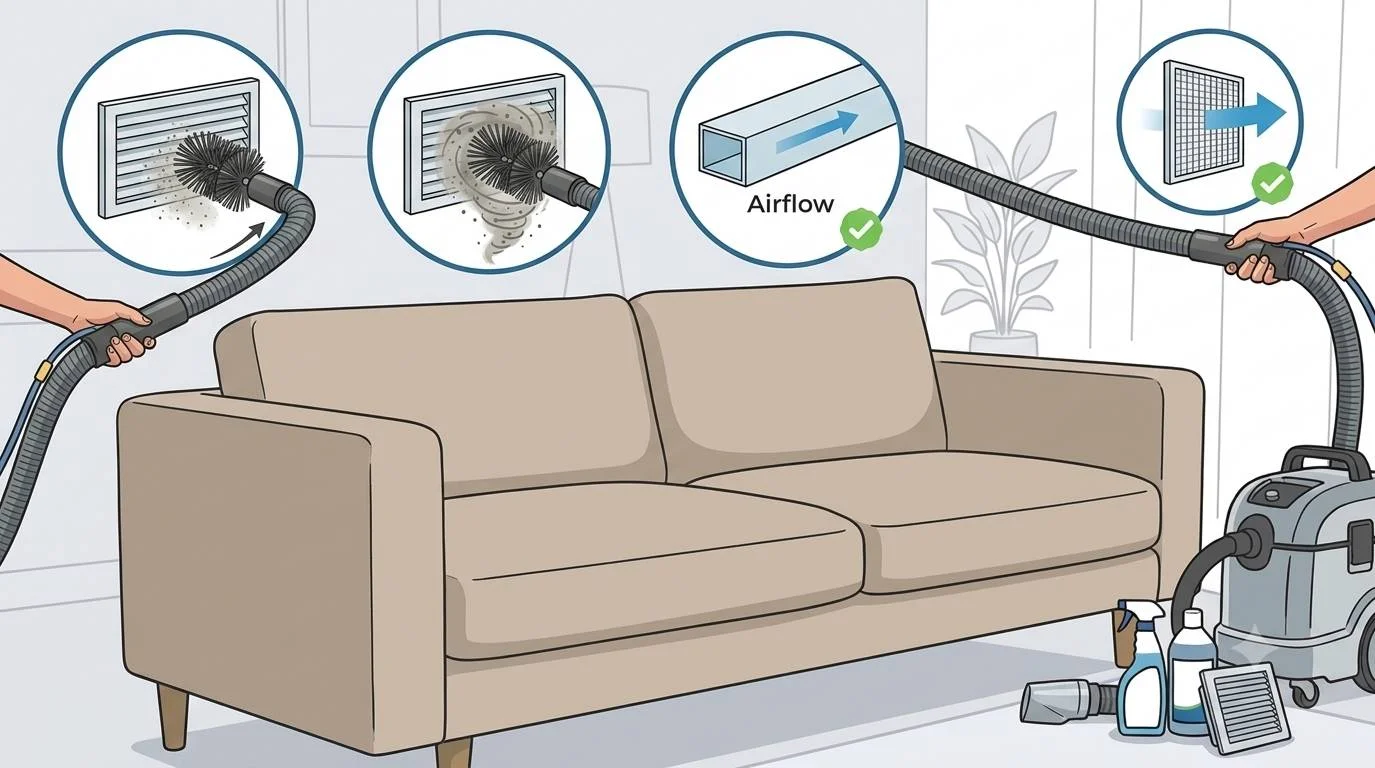
Maintaining a clean and efficient HVAC system is essential for healthy indoor air quality and optimal energy use. One common question homeowners ask is, should a dormant air duct be cleaned? Dormant air ducts—ducts that are not actively used or connected to vents—can sometimes be overlooked during routine HVAC maintenance. However, understanding when and why to clean these ducts can make a big difference in your home’s comfort and air quality. In this article, we’ll explore what dormant air ducts are, the potential risks of leaving them uncleaned, and provide guidance on when cleaning them is necessary. What is a Dormant Air Duct? A dormant air duct is a section of ductwork that is no longer in active use. This could be due to changes in your HVAC system, remodeling, or the closure of vents in certain rooms. Although these ducts may not currently circulate air, they remain part of your home’s ductwork network. Dormant ducts may accumulate dust, debris, mold spores, or even pests over time, especially if they have been unused for long periods. Because they are not regularly ventilated, contaminants inside can stagnate and affect air quality when the ducts are reactivated or if air leaks occur. Why Consider Cleaning Dormant Air Ducts? 1. Improve Indoor Air Quality Even if dormant ducts aren’t in use, contaminants inside can eventually circulate through your HVAC system when the airflow pattern changes or when the ducts are reconnected. Dust, allergens, mold spores, and other pollutants trapped inside dormant ducts can degrade indoor air quality and cause health problems, particularly for those with allergies or respiratory issues. 2. Prevent Mold and Mildew Growth Dormant ducts can be a breeding ground for mold and mildew, especially in humid environments. Without regular airflow, moisture can accumulate and create ideal conditions for fungal growth. Mold in your ductwork not only damages the system but can also release spores into your living space, triggering allergic reactions and respiratory distress. 3. Avoid Pest Infestations Unused ducts are attractive nesting sites for rodents, insects, and other pests. Once inside, these unwanted visitors can leave behind droppings and debris, further contaminating the ducts and spreading allergens. 4. Maintain HVAC Efficiency Dirty dormant ducts can contribute to poor airflow and reduced system efficiency when they are brought back into use. Cleaning the ducts ensures that when the HVAC system is reconfigured or expanded, airflow is not restricted by accumulated debris. When Should You Clean Dormant Air Ducts? After Renovations or Remodeling If your home has undergone renovations that altered the duct layout or closed vents, dormant ducts may have become isolated. Before reactivating or reconnecting them, it’s wise to have them inspected and cleaned to avoid introducing contaminants into your living spaces. When Reopening Closed Rooms If you’re planning to reopen rooms that have been sealed off for some time, dormant ducts serving those spaces should be cleaned to prevent dust and allergens from circulating once airflow resumes. If You Notice Unusual Odors or Allergies Persistent musty smells, unexplained allergy symptoms, or frequent respiratory issues may signal mold or dust accumulation in dormant ducts. In such cases, cleaning the ducts can improve air quality and reduce health risks. Regular Maintenance Inspections Even if you’re not actively using dormant ducts, including them in your regular HVAC inspection routine is a good practice. A professional can assess whether cleaning is needed based on the duct’s condition. How is Dormant Air Duct Cleaning Done? Cleaning dormant air ducts typically involves the same procedures as cleaning active ductwork: Hiring a certified HVAC professional is important to ensure the cleaning is done safely and effectively. Frequently Asked Questions: Q 1. Can dormant air ducts cause health problems? ‍Yes, dormant ducts can harbor dust, mold, and allergens, which may circulate when airflow resumes, potentially causing respiratory issues, allergies, and other health problems. Q 2. How often should dormant ducts be cleaned? ‍There is no set schedule, but dormant ducts should be inspected during regular HVAC maintenance and cleaned before being reactivated or if signs of contamination are present. Q 3. Is it expensive to clean dormant air ducts? ‍Costs vary depending on duct size and contamination level, but cleaning dormant ducts is often a cost-effective step to maintain HVAC efficiency and indoor air quality compared to ignoring potential issues. Final Thoughts: Dormant air ducts are often neglected, but they can harbor contaminants that affect your home’s air quality and HVAC performance. Cleaning dormant ducts is a smart precaution, especially when reactivating closed-off spaces or after renovations. Regular inspections and professional cleanings will help ensure your HVAC system runs efficiently while keeping your indoor environment healthy and comfortable. Taking care of dormant air ducts today can save you from costly repairs and health issues tomorrow. If you suspect your dormant ducts may need attention, reach out to a qualified air duct cleaning specialist for an evaluation. ‍
Read more

Can You Use a Carpet Cleaner Solution on Upholstery

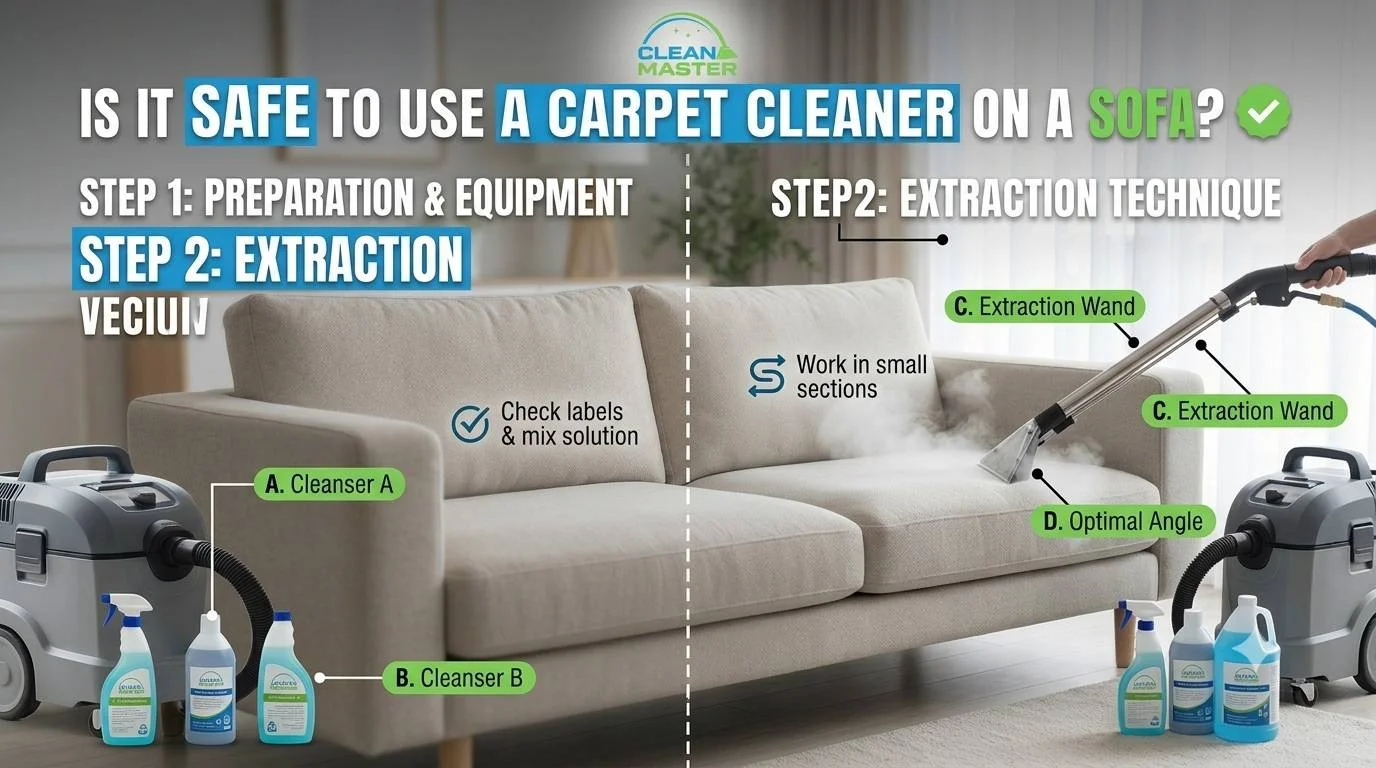
When it comes to cleaning your home, carpet cleaners often seem like a handy solution for multiple surfaces. But can you use carpet cleaner solution on upholstery safely? Upholstery cleaning can be tricky due to the delicate fabrics and varied construction of furniture, so understanding the right approach is essential to avoid damage and maintain the appearance of your sofas, chairs, and other upholstered items. In this article, we’ll explore whether carpet cleaner solutions are suitable for upholstery, how to safely clean upholstery, and what alternatives you might consider for the best results. Understanding Carpet Cleaner Solutions Carpet cleaner solutions are formulated specifically for carpets and rugs. They are designed to break down dirt, stains, and oils embedded in carpet fibers, which are usually more durable and designed to withstand more aggressive cleaning agents. These solutions often contain surfactants, enzymes, and sometimes bleaching agents to remove tough stains. While effective for carpets, these ingredients may be too harsh for upholstery fabrics. Upholstery fabrics can be made from delicate materials like silk, linen, velvet, or treated synthetic fibers that may react negatively to carpet cleaning chemicals. Learn Also: Can You Use Upholstery Cleaner on a Mattress Can You Use Carpet Cleaner on Upholstery? Generally, it is not recommended to use carpet cleaner solutions directly on upholstery unless the product specifically states it is safe for upholstery fabrics. Why Not? Learn Also: How to Clean Your Mattress & Upholstery Safe Upholstery Cleaning Tips If you want to clean your upholstery effectively without risking damage, follow these guidelines: 1. Check the Manufacturer’s Label Most upholstery pieces come with a cleaning code on the tag: Always follow these codes to choose the right cleaning method. 2. Test in an Inconspicuous Spot Before using any cleaning solution (including carpet cleaner), test it on a small, hidden area of the upholstery to check for colorfastness or fabric reaction. 3. Use Upholstery-Specific Cleaners Opt for cleaning products made specifically for upholstery fabrics. These cleaners are formulated to be gentle yet effective without harming delicate fibers. 4. Avoid Over-Wetting Excess moisture can damage upholstery padding and lead to mildew. Use minimal solution and ensure thorough drying, preferably with good ventilation or a fan. 5. Consider Steam Cleaning For deep cleaning, steam cleaners with upholstery attachments are a safe and effective alternative. They sanitize without harsh chemicals and dry quickly. Alternatives to Carpet Cleaner Solution for Upholstery If you’re hesitant to use carpet cleaner on upholstery or don’t have an upholstery cleaner handy, try these safe alternatives: Mild Dish Soap Solution: Mix a few drops of mild dish soap with warm water. Use a clean cloth dipped in the solution, wring it well, and gently blot the upholstery. Rinse with a cloth dampened with plain water and dry immediately. Vinegar and Water: A solution of equal parts white vinegar and water can help remove odors and some stains. Test first and avoid on delicate fabrics. Baking Soda: Sprinkle baking soda on upholstery, let it sit for 15-20 minutes to absorb odors and dirt, then vacuum thoroughly. Frequently Asked Questions: Q 1. Will carpet cleaner ruin my upholstery fabric?‍ Yes, carpet cleaner solutions can cause discoloration, damage the fibers, or leave residue that attracts dirt, especially on delicate upholstery fabrics. Q 2. Can I dilute carpet cleaner to use on upholstery? ‍While dilution might reduce the risk, it’s still not recommended unless the product label specifically says it’s safe for upholstery. Testing on a small area is essential. Q 3. What is the best way to clean upholstery without professional help? Use upholstery-specific cleaners, mild soap solutions, or gentle natural cleaners. Always test first and avoid soaking the fabric. Final Thoughts: While carpet cleaner solutions might seem like a convenient option for cleaning upholstery, they often contain chemicals too harsh for delicate fabrics and furniture construction. Using carpet cleaner on upholstery without caution can result in damage, discoloration, or lingering odors. Always check your furniture’s cleaning code, opt for upholstery-specific products, and test any cleaner in a hidden area first. When in doubt, consider professional upholstery cleaning services to maintain your furniture’s appearance and longevity. Taking the time to clean upholstery properly ensures your home stays fresh and your furniture remains beautiful for years to come. ‍
Read more

How to Use a Tile and Grout Steam Cleaner

Cleaning tile and grout can be frustrating—dirt hides deep in the lines, soap scum builds up, and mold can develop. At Clean Master Carpet Cleaning, we use advanced equipment and eco-friendly solutions, so I’ll walk you through how to use a steam cleaner like a pro. Why Use a Tile and Grout Steam Cleaner? Steam cleaners utilize high-temperature steam to: At Clean Master, we’ve seen how steam combined with mechanical scrubbing restores tile to a like-new condition. Getting Started – What You’ll Need Before you begin: Prep & Prespray Inspect the Surface: Begin by assessing tile material (ceramic, porcelain, stone) and grout condition. Look for stains, mold, or damage. Clean Master always starts here to select the correct prespray and steam pressure. Apply Prespray: Spray prespray evenly on tile and grout. Let it dwell 5–10 minutes to break down oils, soap scum, and light mildew. Our non-toxic formula penetrates deep without harming finishes. Steam & Scrub Agitate With Scrubber: Before steaming, scrub grout lines with a brush or rotary scrubber to loosen debris. This mechanical agitation boosts steam effectiveness and prevents missed spots. Steam Clean: Run the steam cleaner slowly over tiles, holding the nozzle close. Steam lifts embedded dirt. We follow with high-pressure or steam-assisted extraction to ensure dirt is removed, not just shifted. Rinse & Extract Hot Water Rinse: Use the steam cleaner’s rinse feature or separate rinse cycle. Hot water flushes away prespray and loosened grime, preparing for extraction. Vacuum Extraction: Immediately vacuum the moisture. Clean Master’s integrated hot-water vacuum captures steam, dirt, and moisture—preventing residue and lowering drying time dramatically. Drying & Optional Sealing Dry the Surface: Wipe with microfiber towels and circulate air using fans or open windows. Dry grout thoroughly—moisture left behind leads to mildew. Apply Grout Sealer: Once completely dry, apply a sealant to repel dirt and moisture. Professional sealing prolongs clean results and safeguards grout between cleanings. Pro Tips & Precautions Why Clean Master’s Approach Outperforms DIY Using a steam cleaner yourself can save money upfront, but results vary: Local Insight: Clean Master in Dallas/Fort Worth As a family-owned business with 25+ years in DFW, we understand local tile traits: high-moisture bathrooms, mineral-rich hard water, and dusty clay soils that dull grout lines faster. Our eco-friendly methods reflect our commitment to health, safety, and customer satisfaction. Whether you’re in Saginaw, Argyle, Southlake, or Westlake, our trained technicians deliver sparkling results tailored to Texas homes. FAQ’s: Q1. Can I use any steam cleaner for tile and grout? Not all steam cleaners are designed for tile and grout. Use one with high heat (200°F+) and grout-specific attachments for best results. At Clean Master, we use industrial-grade equipment for maximum efficiency and safety. Q2. How long does it take for tile and grout to dry after steam cleaning? Drying time typically ranges from 2–4 hours depending on ventilation and humidity. Using microfiber towels and fans can help speed up the process. Our extraction method also minimizes leftover moisture. Q3. Should I seal the grout after steam cleaning? Yes, sealing grout after cleaning helps prevent future staining and moisture buildup. It extends the life of the cleaning results and is part of our professional finishing service. Q4. How often should I steam clean tile and grout? For high-traffic areas or bathrooms, every 12–18 months is ideal. If you notice dull grout lines or persistent stains, it may be time to schedule a deep clean with a pro like Clean Master. Final Thoughts: Using a tile and grout steam cleaner effectively means more than just waving a nozzle—it involves a smart process: pre-inspection, prespray, mechanical scrubbing, steam & rinse, extraction, drying, and optional sealing. When done properly, you reveal bright tile and grout, eliminate bacteria and mold, and extend flooring life. At Clean Master Carpet Cleaning, this method is our standard—combining professional-grade equipment, safe solutions, and local expertise for truly deep, lasting results. Want to book a steam-cleaning session or learn more about maintenance? Just ask—we’re ready to make your tile surfaces shine. ‍
Read more

How to Use Heavy Duty Tile and Grout Cleaner Like a Pro

Grimy grout lines and stained tile floors are common problems for homeowners, especially in high-traffic areas like kitchens and bathrooms. At Clean Master Carpet Cleaning, we often get asked how to get a truly deep clean that restores tile to like-new condition. The answer lies in using a heavy duty tile and grout cleaner the right way. In this guide, we break down how to safely and effectively use these powerful cleaners for optimal results. What Is a Heavy Duty Tile and Grout Cleaner? Heavy duty tile and grout cleaners are specially formulated to break down stubborn grime, mold, and mineral buildup that regular household cleaners can’t tackle. These products are typically: At Clean Master, we use commercial-grade solutions paired with advanced tools to get into the toughest corners of your tile flooring. Step-by-Step: How to Use Heavy Duty Tile and Grout Cleaner 1. Preparation Is Key Before applying any cleaner, do a basic sweep or vacuum of the area to remove loose dirt. This ensures the cleaner can work directly on embedded grime without being blocked by surface debris. 2. Test a Small Area First Always spot-test the cleaner on a hidden section of tile. Some heavy duty solutions can damage natural stone or unsealed grout. Better safe than sorry. 3. Apply the Cleaner Evenly 4. Scrub Thoroughly 5. Rinse With Clean Water Use clean, warm water to rinse the tiles and grout thoroughly. Mop up excess water with a microfiber cloth. For best results, rinse twice to ensure all cleaner residue is removed. 6. Dry and Inspect Allow the area to dry completely, then inspect. Stains not fully removed may need a second treatment. You can also apply a grout sealer at this point to help prevent future buildup. Tips for Better Results With Heavy Duty Cleaners Choose the Right Cleaner for Your Tile Type Different surfaces require different pH levels. For example: Use Protective Gear Heavy duty means heavy chemicals. Always wear gloves, eye protection, and ensure good ventilation during use. Don’t Mix Cleaners Avoid mixing products—especially acids and bleach—as they can create dangerous fumes. Use Mechanical Tools for Large Areas For bigger jobs, Clean Master uses professional rotary tools and steam-enhanced systems that outperform manual scrubbing. Consider calling us for whole-home tile and grout restoration. When to Call a Professional While DIY cleaning works for moderate grime, heavily soiled floors or older grout may require industrial-grade solutions. At Clean Master Carpet Cleaning, we bring over a decade of experience cleaning tile and grout across Dallas/Fort Worth. Our commercial equipment lifts years of buildup without damaging the surface, and we finish each job with a high-quality sealant to extend results. FAQ’s: Q1. Can heavy duty cleaners damage tile or grout? Yes, if misused. Acid-based cleaners can erode grout or dull stone tiles. Always follow instructions and test a small area first. Q2. How often should I deep clean tile and grout with heavy duty products? For most homes, once every 6 to 12 months is sufficient. High-traffic areas like kitchens may require more frequent cleanings. Q3. Is it safe to use heavy duty cleaners around pets or kids? Ensure the area is well-ventilated and fully rinsed before allowing pets or kids back on the surface. Store chemicals securely. Q4. Can I use a steam cleaner after applying a heavy duty cleaner? Yes. Steam can enhance the effectiveness of the cleaner and help rinse it away thoroughly, especially in porous grout lines. Final Thoughts: Heavy duty tile and grout cleaners are excellent tools for restoring your floors, but they require careful use. Whether you’re handling a weekend cleaning job or preparing your home for guests, following the correct steps ensures a thorough clean without damage. At Clean Master Carpet Cleaning, we’re always ready to tackle the toughest tile challenges in the DFW area. Need help with deep grout restoration? Get in touch for a free quote today. ‍
Read more

How to Use Tile and Grout Cleaner: A Step-by-Step Deep Cleaning Guide

Tile and grout can collect years of grime, mold, and discoloration—especially in kitchens and bathrooms. At Clean Master Carpet Cleaning, we understand how frustrating dirty grout lines can be. Using a tile and grout cleaner the right way can restore the look of your floors and protect their longevity. In this guide, we’ll walk you through proper usage techniques, safety tips, and our professional recommendations for achieving the best results. By following the correct method, you not only improve aesthetics but also ensure a healthier living environment for your family. Why Proper Tile and Grout Cleaning Matters Using tile and grout cleaner isn’t just about making your floors look better—it’s about health and home value. Built-up grime can harbor bacteria and allergens, making your home less sanitary. Dirty grout lines also absorb moisture, which leads to mold growth and permanent staining. That’s why proper cleaning, using the right techniques and solutions, makes a noticeable difference. Regular cleaning preserves the life of your floors and adds to your home’s appeal and hygiene. Step-by-Step Guide to Using Tile and Grout Cleaner Step 1: Choose the Right Cleaner Select a cleaner designed specifically for tile and grout. Avoid all-purpose products that might not penetrate grout or could leave residues. Acidic cleaners work well on ceramic or porcelain, while pH-neutral options are safer for natural stone. Always read the label for compatibility. Picking the right cleaner is the foundation for effective results and surface protection. Step 2: Ventilate and Prep the Area Open windows and doors to ensure good airflow, especially if using strong or chemical-based cleaners. Sweep or vacuum the area first to remove dust and debris. This ensures the cleaner can target grime rather than surface dirt. Good ventilation also helps dry the area quicker and keeps fumes at bay. Step 3: Apply the Cleaner Evenly Spray or pour the cleaner directly onto the grout lines and tiles. Let it sit according to product instructions—usually 5 to 10 minutes—to break down embedded grime. Avoid letting it dry completely, as this can reduce effectiveness. Proper application helps the solution break through tough dirt without extra scrubbing. Step 4: Scrub with the Right Tools Use a stiff-bristled brush or grout brush to scrub along grout lines. For tile surfaces, use a non-abrasive pad to avoid scratches. Apply firm, circular pressure to lift grime and stains effectively. For stubborn areas, reapply cleaner and repeat. Using the correct tools ensures thorough cleaning without damaging delicate surfaces. Step 5: Rinse Thoroughly Use warm water and a clean mop or cloth to remove the cleaner and loosened dirt. Rinse multiple times to ensure no residue is left behind. Residues can attract more dirt over time, undoing your hard work. Make sure the area is completely clear before drying for the best finish. Step 6: Dry and Inspect Dry the floor using clean towels or allow it to air dry. Inspect for any spots that may need a second pass. Repeat cleaning on problem areas if needed. Drying is essential to prevent slips and new grime from sticking to damp areas. What to Know Before You Start Know Your Tile Type Different tile materials (ceramic, porcelain, stone) respond differently to cleaners. Using the wrong solution can cause damage, dullness, or staining. Always test a small area first. Being tile-aware helps avoid accidents and keeps your floors in good condition. Avoid Mixing Chemicals Never mix cleaning agents like bleach and ammonia. This can create toxic fumes. Stick with one cleaner at a time and always follow label directions carefully. Mixing products can be hazardous, even if they seem harmless separately. Use Protective Gear Wear gloves to protect your skin and consider eye protection if using strong chemicals. This keeps you safe while scrubbing or rinsing floors. Even natural cleaners can be irritating with prolonged contact, so it’s better to stay protected. Maintenance Tips After Cleaning Seal Grout Lines After cleaning, consider sealing your grout lines to protect against future staining and moisture. Grout sealants make future cleanings easier and extend the life of your tilework. A good sealant acts as a barrier and adds to long-term cleanliness. Regular Spot Cleaning Don’t wait for heavy grime to build up. Wipe spills and high-traffic areas regularly using mild cleaners to maintain cleanliness and reduce how often deep cleaning is needed. Small habits make a big difference in long-term maintenance. Schedule Routine Professional Cleaning Even with regular maintenance, professional cleanings help refresh tile and grout more thoroughly. At Clean Master, we use high-pressure steam and advanced solutions to penetrate deep and leave your surfaces looking brand new. We recommend scheduling professional cleanings every 6 to 12 months for best results. FAQ’s: Q1. Can I use tile and grout cleaner on natural stone floors? Not all cleaners are safe for natural stone. Acidic cleaners can etch surfaces like marble or slate. Always choose a pH-neutral solution designed for stone and test in a small area first to avoid damage. Q2. How often should I clean tile and grout? Routine cleaning should be done weekly or biweekly depending on foot traffic. Deep cleaning with specialized products or professional service is recommended every 6 to 12 months for best results and hygiene. Q3. What’s the best tool to scrub grout lines? A stiff nylon-bristled brush is ideal. Avoid metal brushes, as they can scratch tile and erode grout. Electric scrubbers can also help for larger areas or deep cleaning sessions, saving you time and effort. Q4. Is professional tile and grout cleaning worth it? Yes, especially if your grout is heavily soiled or stained. Professionals like Clean Master use industrial-grade equipment that cleans deeper than store-bought solutions, saving time and ensuring better long-term results. Final Thoughts: Cleaning tile and grout the right way goes beyond mopping the surface. It’s about using the proper products, techniques, and tools to maintain beauty and sanitation. At Clean Master Carpet Cleaning, we specialize in tile and grout restoration using safe, professional-grade equipment and cleaners. With years of expertise serving
Read more

Do It Yourself Dry Carpet Cleaning

Dry carpet cleaning is an effective and convenient way to maintain your carpets without using excessive water or professional equipment. This guide explores the steps, benefits, and tips for successfully performing a DIY dry carpet clean to keep your floors fresh and long-lasting. Why Choose Dry Carpet Cleaning Dry carpet cleaning uses minimal moisture and specialized powders or compounds to lift dirt from carpet fibers. This method is ideal for homes that need quick drying times or have delicate carpet types. It also reduces the risk of mold and mildew often associated with wet cleaning. Benefits of DIY Dry Cleaning Essential Tools and Materials To perform a DIY dry carpet clean, you need a few basic tools: a vacuum cleaner, dry cleaning powder or compound, a soft brush or carpet rake, and a measuring scoop. These items help ensure effective dirt and dust removal from carpet fibers. Preparing Your Carpet Step-by-Step DIY Dry Carpet Cleaning Tips for Effective Results Common Misconceptions About Dry Carpet Cleaning Some assume dry cleaning is less effective than wet methods. However, with proper technique, it can remove significant amounts of dirt and allergens while preserving carpet fibers and reducing drying time. Debunking Myths FAQ’s: Q1: How often should I perform dry carpet cleaning? For most homes, once every 4–6 weeks is sufficient. High-traffic areas may require more frequent attention, ensuring carpets remain fresh, dirt-free, and well-maintained without relying on professional wet cleaning services. Q2: Can I remove stains with dry cleaning powders? Dry powders are effective for light stains and surface dirt, but deeper stains may need spot treatment or combined cleaning methods to fully lift discoloration from the fibers. Q3: Is dry carpet cleaning safe for pets and children? Yes. Many dry cleaning compounds are non-toxic and safe for homes with children and pets. Always check product labels for safety information and avoid inhaling powders during application. Q4: Will dry cleaning eliminate allergens? Dry cleaning helps reduce dust, pet dander, and allergens trapped in carpet fibers. While not as intensive as steam cleaning, it is effective for regular maintenance and improving indoor air quality. Final Thoughts: Do It Yourself dry carpet cleaning is a practical and efficient solution for maintaining clean, fresh carpets with minimal effort. By using the right tools and techniques, you can lift dirt, reduce allergens, and protect your carpet fibers, all while avoiding excess moisture and lengthy drying times. Regular dry cleaning not only enhances appearance but also extends the life of your carpets, making it a convenient choice for busy households. ‍
Read more

Science Behind Carpet Steam Cleaning

Carpet steam cleaners are essential tools for deep-cleaning carpets and maintaining a hygienic home. Understanding how they work helps homeowners maximize their effectiveness and maintain carpets in optimal condition. Steam cleaners use hot water and cleaning solutions to loosen dirt, stains, and debris from carpet fibers. The combination of heat and moisture penetrates deep into the carpet, breaking down soil particles and sanitizing the surface. Benefits of Steam Cleaning Components of a Carpet Steam Cleaner Key components include a water tank, heating element, pump, and cleaning head. The water tank holds the solution, the heating element generates steam, the pump pushes it through, and the cleaning head agitates fibers for thorough cleaning. How It Works Step-by-Step Advantages of Using a Steam Cleaner Steam cleaners are effective for removing stubborn stains, killing bacteria, and improving indoor air quality. They also extend carpet life by reducing wear caused by dirt particles embedded deep in fibers. Tips for Effective Steam Cleaning Common Misconceptions Some believe that steam cleaning alone eliminates all carpet issues, but regular maintenance and spot treatments are necessary for best results. Additionally, over-wetting or improper use can damage carpets, so following manufacturer instructions is crucial. Debunking Myths FAQ’s: Q1: Can a steam cleaner remove all types of stains? Steam cleaners are effective on most surface and embedded stains, but extremely stubborn or set-in stains may require additional spot treatments or repeated sessions for complete removal. Q2: Is steam cleaning safe for all carpet types? Most synthetic carpets respond well to steam cleaning. However, delicate materials like silk or antique rugs may require professional care or alternative cleaning methods to prevent damage. Q3: How often should I steam clean my carpets? For regular maintenance, steam cleaning every 6–12 months is recommended. High-traffic areas may need more frequent cleaning to ensure carpets remain fresh, hygienic, and visually appealing. Q4: Will steam cleaning remove allergens? Yes. The high temperature of steam kills dust mites, bacteria, and other allergens trapped in fibers, helping improve indoor air quality and providing a healthier living environment. Final Thoughts: Carpet steam cleaners are powerful tools for deep-cleaning, sanitizing, and maintaining carpets. By understanding how they work and following proper usage techniques, homeowners can ensure effective stain removal, odor neutralization, and longer carpet life. Regular steam cleaning enhances both cleanliness and indoor air quality, making it an essential part of home maintenance. ‍
Read more

Who Pays For Carpet Cleaning

Determining responsibility for carpet cleaning in rental properties can be confusing. Whether the tenant or landlord pays often depends on lease agreements, local regulations, and the condition of the carpets at move-in and move-out. Tenant Responsibilities Tenants are generally responsible for keeping carpets clean during their lease. Routine cleaning prevents excessive wear, maintains hygiene, and ensures the property is returned in good condition, reducing the risk of losing security deposits. Typical Tenant Duties Landlord Responsibilities Landlords are typically responsible for major cleaning or carpet replacement due to normal wear and tear. This includes ensuring carpets are professionally cleaned between tenants and maintaining a habitable property. Landlord Obligations Lease Agreement Considerations Many lease agreements specify carpet cleaning duties. Tenants should read their contracts carefully to understand expectations, frequency of cleaning, and whether professional cleaning is required before moving out. Clarifying Lease Terms Dispute Resolution Tips Disagreements over carpet cleaning responsibility can be resolved by documenting carpet condition, communicating clearly, and understanding local tenancy laws. Best Practices FAQ’s: Q1: Can a landlord force a tenant to pay for carpet cleaning? It depends on the lease agreement and local laws. Tenants are typically responsible for cleaning if they caused damage, but landlords cannot charge for normal wear and tear, which remains their responsibility. Q2: Is professional carpet cleaning always required? Not necessarily. Lease agreements may specify professional cleaning, but tenants can also use effective DIY methods if approved. Always check the lease to avoid deposit deductions or disputes. Q3: Who covers carpet replacement costs? Landlords generally cover replacement for wear and tear. Tenants may be liable for damages beyond normal use, such as stains, burns, or pet-related damage, which can affect security deposits. Q4: How can tenants avoid carpet cleaning disputes? Maintain carpets regularly, document conditions with photos or videos, and communicate with landlords about expectations. Providing receipts or proof of cleaning can prevent misunderstandings and protect security deposits. Final Thoughts: Understanding carpet cleaning responsibilities in rental properties helps prevent disputes and ensures both tenants and landlords are aware of their obligations. Clear lease agreements, regular maintenance, and proper documentation safeguard both parties and maintain property value. ‍
Read more

Will A Carpet Cleaner Kill Bed Bugs

Bed bugs are a persistent household problem affecting thousands of homes, and many homeowners wonder if carpet cleaners alone can effectively eliminate them. These machines are useful for removing visible dirt, dust, and debris, but understanding their limitations, correct usage, safety precautions, and complementary pest control solutions is essential. Effective management requires a combination of strategies including targeted cleaning, professional heat treatments, and preventive measures, ensuring that infestations are tackled comprehensively while protecting carpets, furniture, and living spaces from further contamination or recurrence. Understanding Bed Bug Behavior Bed bugs hide in tight spaces and feed on human blood, making them difficult to detect. Their resilience in eggs and larvae means simple cleaning rarely eliminates an infestation. How Bed Bugs Thrive in Carpets How Carpet Cleaners Work Against Bed Bugs Carpet cleaners remove surface dirt and debris. High-temperature steam units may kill some bed bugs on contact, but most standard cleaners lack sufficient heat and penetration to eliminate all bugs, eggs, or larvae. Challenges and Limitations Using Carpet Cleaners Safely To minimize risks, use steam cleaners with adjustable heat settings and focus on exposed carpet surfaces. Always vacuum thoroughly before steam cleaning to remove debris and reduce hiding spots. Integrating Carpet Cleaning With Pest Control Carpet cleaning should complement, not replace, professional treatments. Combining cleaning with heat, chemical treatments, and encasements ensures comprehensive elimination. Recommended Strategies Inspecting Your Home for Infestations Regular inspection is vital. Focus on mattress seams, furniture joints, carpet edges, and baseboards. Early detection allows faster intervention and reduces the likelihood of widespread infestations. Preventing Future Infestations Vacuuming, washing bedding at high temperatures, reducing clutter, and sealing cracks prevent bed bug reinfestation. Monitoring infested areas ensures ongoing protection. Combining DIY and Professional Approaches While DIY cleaning reduces visible bugs, professionals provide targeted treatments that eliminate hidden eggs and larvae. A combined approach ensures both immediate and long-term pest control. FAQ’s: Q1: Can a carpet cleaner completely get rid of bed bugs? No. Carpet cleaners may remove some adult bugs but cannot reach eggs or deeply embedded larvae. Full eradication requires professional treatments, chemical interventions, and thorough monitoring to eliminate all life stages. Q2: Is steam cleaning effective against bed bugs? Steam cleaning with temperatures above 120°F (49°C) kills bed bugs on contact. It must cover all infested areas thoroughly and is most effective when combined with other control measures for comprehensive removal. Q3: Can vacuuming alone stop bed bug infestations? Vacuuming reduces adult populations by removing bugs from surfaces but does not eliminate eggs or larvae. It should be part of a comprehensive pest control strategy, including heat or chemical treatments. Q4: What precautions should I take when using a carpet cleaner for bed bugs? Use high-temperature steam in small sections, immediately empty the vacuum, and combine cleaning with professional treatments, encasements, and careful inspection to prevent spreading the infestation. Final Thoughts: Carpet cleaners are helpful for removing surface dirt and may kill some bed bugs on contact, but they cannot fully eradicate infestations. Combining high-temperature steam, targeted vacuuming, professional heat treatments, and preventive measures provides a comprehensive approach. This ensures both adult bed bugs and eggs are eliminated, reduces re-infestation risks, and maintains a clean, safe, and pest-free home environment. ‍
Read more

What Is Dry Carpet Cleaning

Dry carpet cleaning is an efficient, low-moisture method designed to remove dirt, stains, and allergens without soaking carpets. Unlike traditional wet cleaning, it uses specialized powders or cleaning compounds that bind to debris and are extracted using professional equipment, providing a faster drying process and minimal disruption. How Dry Carpet Cleaning Works Dry cleaning involves applying a cleaning compound or absorbent powder to carpet fibers. The powder encapsulates dirt, dust, and debris. After a recommended dwell time, a vacuum removes the compound along with the contaminants, leaving carpets clean and refreshed. This method is gentle on delicate fibers and ideal for high-traffic areas. Advantages Over Traditional Methods Also Read: How Much Does Carpet Cleaning Cost Per Square Foot? When to Choose Dry Carpet Cleaning Dry cleaning is particularly effective for routine maintenance, light stains, or delicate fibers that may be damaged by water. It is perfect for busy households, offices, and areas where quick turnaround is necessary. For heavy soil or deep stains, periodic steam cleaning may complement this approach. Step-by-Step Dry Carpet Cleaning Process: Tips for Best Results: ‍ FAQ’s: Q 1: Which method of carpet cleaning is best? The best method depends on your carpet type and cleaning needs. Steam cleaning is ideal for deep cleaning and sanitizing, while dry cleaning is faster, uses less moisture, and is good for delicate carpets. Q 2: What are the disadvantages of dry cleaning? Dry cleaning may not remove deep-seated dirt, stains, or allergens as effectively as wet methods. It can also leave residue if not properly vacuumed. Q 3: What is better, dry or wet carpet cleaning? Wet (steam) cleaning is better for deep cleaning and sanitizing, while dry cleaning is preferable for quick maintenance, delicate carpets, or when you need fast drying. Q 4: What are the disadvantages of steam carpet cleaning? Steam cleaning requires longer drying times, can shrink or damage delicate carpets, and uses more water and energy. Improper use may also lead to mold or mildew growth. Final Thoughts: Dry carpet cleaning offers a fast, safe, and efficient solution for maintaining carpets, reducing moisture-related risks, and keeping fibers fresh and clean. With professional services like Clean Master, homeowners can enjoy low-downtime cleaning, extended carpet longevity, and a healthier indoor environment without the hassle of long drying times.
Read more