Can Carpet Cleaning Cause Mold

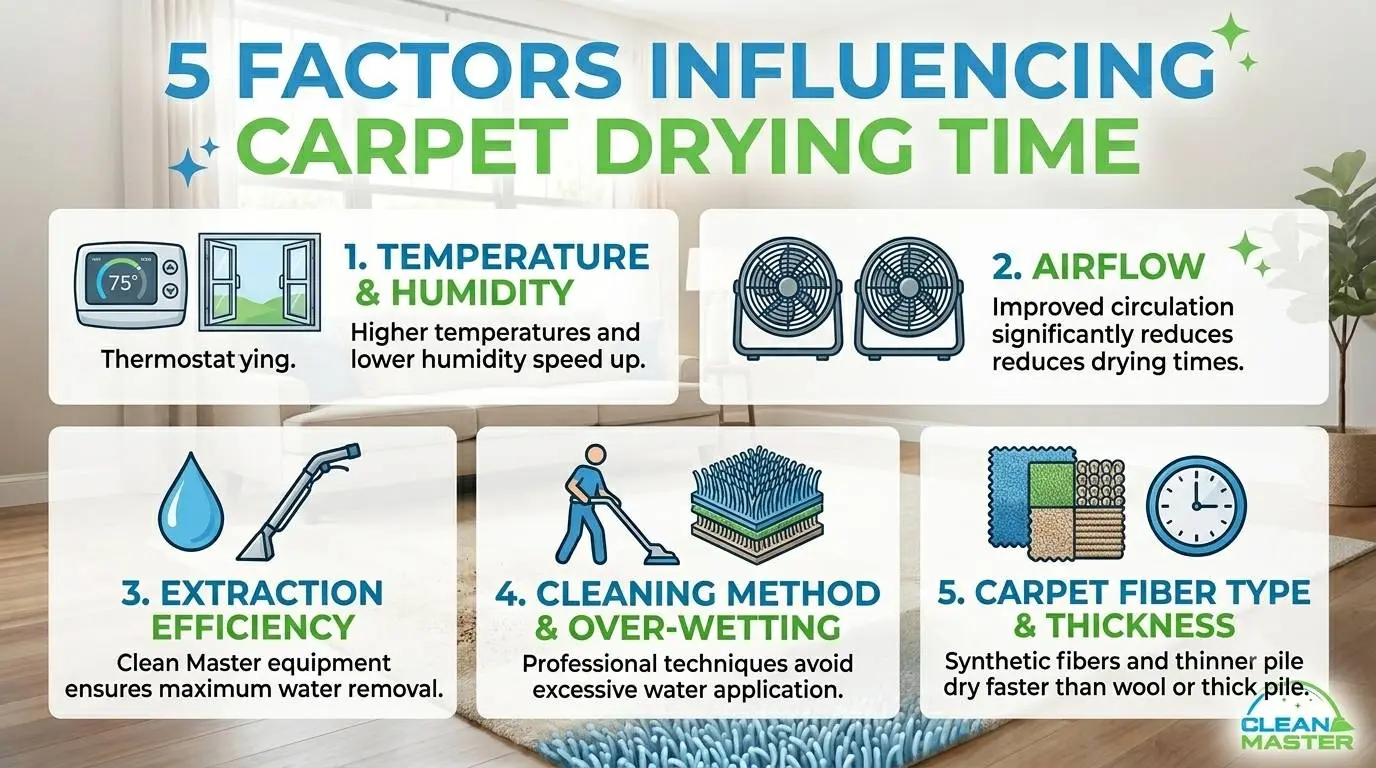
Carpet cleaning is essential for maintaining a healthy and fresh home environment, but improper cleaning can create conditions favorable for mold growth. Mold can develop quickly when moisture is trapped in carpet fibers or padding. Many homeowners underestimate the importance of thorough drying, which makes carpets susceptible to bacterial and fungal growth, leading to health risks and structural issues. How Mold Develops After Cleaning Mold thrives in damp, warm, and dark environments. After steam cleaning or using excessive water, residual moisture can penetrate deep into the carpet backing and padding. Over time, this trapped moisture encourages mold spores to multiply. Factors such as humidity, poor ventilation, and carpet type also influence how quickly mold forms, making post-cleaning drying procedures critical for preventing infestations. Also Read: Can You Put Bleach In A Carpet Cleaner? Safe Carpet Cleaning Practices Use Minimal Moisture Methods Low-moisture or dry carpet cleaning methods reduce the risk of mold by limiting water exposure. These methods use specialized powders or encapsulating compounds that attract dirt and contaminants. Once vacuumed, carpets are left clean without excess moisture. This approach is especially beneficial for homes in humid climates or spaces where rapid carpet use is necessary. Ensure Rapid Drying Proper drying is the most important step after wet cleaning. Using fans, dehumidifiers, or opening windows helps accelerate evaporation. Carpets should ideally be completely dry within 6–12 hours. Homeowners can monitor drying by checking the carpet backing and padding. Quick drying minimizes the potential for mold, unpleasant odors, and fiber damage, ensuring a longer carpet lifespan. Signs of Mold After Carpet Cleaning Also Read: How Long Does Carpet Cleaning Take? Preventing Mold Growth FAQ’s: Q 1.How to tell if mold is under carpet? Signs include a musty odor, visible discoloration at the edges or seams, damp spots, or warping of the carpet and padding. Lifting a corner of the carpet can reveal hidden mold growth. Q 2.Can you get sick from carpet mold? Yes, exposure to carpet mold can cause allergic reactions, respiratory issues, headaches, and in severe cases, infections, especially in people with weakened immune systems. Q 3.Does carpet cleaner prevent mold? Regular carpet cleaning can reduce dirt and moisture, which helps limit mold growth, but it does not fully prevent mold if moisture persists. Mold prevention requires keeping carpets dry and addressing water damage. Q 4.Will mold go away if it dries out from the carpet by cleaning it? No, drying alone does not kill mold. Mold spores can survive and regrow when moisture returns. Effective removal often requires cleaning with antimicrobial solutions and sometimes replacing the affected padding. Final Thoughts: While carpet cleaning is crucial for a healthy home, improper methods or inadequate drying can create conditions for mold growth. By using professional cleaning services, employing low-moisture methods, and ensuring rapid drying, homeowners can maintain both the appearance and safety of their carpets. Clean Master professionals provide expert solutions that prevent mold, protect indoor air quality, and extend the life of your carpet for a cleaner, healthier home environment. ‍
Read more

Typical Cost of Carpet Cleaning Per Room?

Understanding the cost of carpet cleaning per room helps homeowners set realistic expectations and avoid surprises. While prices can vary, most professional carpet cleaners charge based on room size, condition, and cleaning method. The per-room pricing model remains popular because it offers simplicity and transparency. Professional companies like Clean Master Carpet Cleaning structure their pricing around experience, equipment investment, and service quality rather than one-size-fits-all estimates. Average Carpet Cleaning Cost Per Room The cost to clean a single room depends on several measurable factors. Knowing the typical price range helps you compare quotes accurately. Standard Room Pricing Ranges In most markets, carpet cleaning per room typically falls within a moderate price range based on an average-sized room. These prices often include vacuuming, pre-treatment, hot water extraction, and basic spot cleaning. Larger rooms or combined living spaces may be counted as more than one room due to increased time and solution usage. Most companies define a standard room by square footage rather than walls. Living rooms, master bedrooms, and open areas may be priced as one-and-a-half or two rooms. Clarifying room size upfront ensures accurate pricing and prevents misunderstandings on service day. Also Read: How Much Does Carpet Cleaning Cost Per Square Foot in 2025? Factors That Influence Per-Room Carpet Cleaning Costs Several variables affect how much you pay per room, even when using a standardized pricing model. Carpet Condition and Soil Level Heavily soiled carpets require additional pre-treatment, agitation, and extraction time. Pet accidents, food spills, and high-traffic patterns increase labor and solution usage. As a result, rooms with visible stains or odors may cost more than lightly used areas. Cleaning Method Used Hot water extraction generally costs more than low-moisture or surface cleaning methods due to equipment complexity and drying considerations. However, it delivers deeper soil removal and longer-lasting results, offering better overall value. Additional Services That Affect Pricing Per-room pricing usually covers standard cleaning, but optional add-ons can change the final cost. Common Add-On Treatments Some services are priced separately because they require specialized products or extra time. These services enhance results but should be discussed before cleaning begins to avoid unexpected charges. Per-Room Pricing vs Square Foot Pricing Understanding the difference between pricing models helps you choose the best option for your home. When Per-Room Pricing Works Best Per-room pricing is ideal for homes with traditional layouts and consistent room sizes. Customers appreciate its simplicity, making it easier to budget and compare providers quickly. Also Read: How Does Carpet Cleaning Work? When Square Foot Pricing Makes More Sense Large open areas, basements, or unusually shaped rooms may benefit from square foot pricing. This approach ensures fairness by matching cost directly to workload rather than room count alone. FAQ’s: Q1. How much does it cost to carpet a 12 by 12 room? Carpeting a 12×12 room typically costs between $600 and $1,200, including carpet, padding, and installation. Pricing depends on carpet quality, pad thickness, and local labor rates. Choosing premium carpet materials or upgraded padding will increase the overall cost. Q2. How much does it cost to have a 9×12 rug cleaned? Professional cleaning for a 9×12 area rug usually ranges from $70 to $150. The final price depends on rug material, level of soiling, and whether treatments like stain removal or deodorizing are required. Q3. How much does it cost to carpet an average room? Carpeting an average-sized room generally costs $700 to $1,400. This estimate includes materials and standard installation, with pricing influenced by carpet type, room size, and installation complexity. Q4. How much does it cost to carpet a 20×20 room? A 20×20 room typically costs $1,800 to $3,500 to carpet. Larger rooms require more carpet and labor, and higher-grade materials or custom fitting can increase pricing significantly. Q5. What time of year is the cheapest carpet? Carpet is usually cheapest during late fall and winter when demand is lower. Many retailers offer end-of-year clearance sales and seasonal discounts during this time. Q6. How much to professionally clean a large rug? Professional cleaning for a large rug typically costs $150 to $300 or more, depending on rug size, fiber type, and condition. Wool, handmade, or delicate rugs often require specialized cleaning, which increases the price. Final Thoughts: Carpet cleaning cost per room depends on room size, soil levels, and service requirements. While per-room pricing offers convenience and clarity, understanding what influences cost ensures you receive fair value. Choosing an experienced professional and discussing room details in advance helps you avoid surprises while achieving cleaner, longer-lasting carpets. ‍
Read more

Can You Use A Carpet Cleaner On An Area Rug

Using a carpet cleaner on an area rug seems like a convenient solution, but the answer isn’t always simple. Area rugs vary widely in material, construction, and dye stability, which means the wrong cleaning method can cause shrinkage, color bleeding, or permanent damage. Professional cleaners, such as Clean Master Carpet Cleaning, evaluate these factors carefully before choosing a safe cleaning approach. The Difference Between Area Rugs and Wall-to-Wall Carpet Area rugs are manufactured differently from installed carpets, and those differences affect how they should be cleaned. Area rugs may be made from synthetic fibers, wool, silk, cotton, or natural blends. Synthetic rugs often tolerate carpet cleaners better, while natural fibers are more sensitive to moisture, agitation, and cleaning chemicals. Knowing the fiber type is the first step to determining whether machine cleaning is safe. Also Read: Can You Put Bleach In A Carpet Cleaner? Construction and Backing Many area rugs have woven backings or glued layers that can loosen when saturated. Excess water from a carpet cleaner may weaken adhesives, distort the rug’s shape, or cause curling at the edges once dried. When Using a Carpet Cleaner May Be Appropriate There are situations where a carpet cleaner can be used successfully on an area rug with proper precautions. Rugs made from nylon, polyester, or polypropylene are generally more forgiving. Light to moderate cleaning with controlled moisture can remove surface dirt effectively without harming the fibers. Low-pile, machine-manufactured rugs typically handle gentle carpet cleaning better than thick or handwoven designs. Using minimal water and proper suction is essential to avoid damage. Risks of Using a Carpet Cleaner on Certain Rugs Some rugs should never be cleaned using standard carpet cleaning machines. Wool, Silk, and Natural Fiber Rugs These materials absorb water easily and can shrink, fade, or become stiff if cleaned improperly. Wool rugs, in particular, often require specialized detergents and controlled drying conditions. Handwoven or Antique Rugs Handcrafted rugs have delicate fibers and dyes that can bleed when exposed to excessive moisture or strong cleaning solutions. Professional off-site cleaning is usually the safest option. Best Practices If You Decide to Use a Carpet Cleaner If you choose to clean an area rug with a carpet cleaner, following proper techniques can reduce the risk of damage. Also Read: Does Steam Cleaning Carpet Remove Stains Professional Cleaning vs. DIY Cleaning Knowing when to call a professional can save money and prevent irreversible damage. Benefits of Professional Area Rug Cleaning Professionals assess fiber type, dyes, and construction before cleaning. Companies like Clean Master use appropriate methods and drying techniques to extend the life of your rug and ensure safe results. When DIY Cleaning Makes Sense DIY carpet cleaning may work for small, synthetic rugs with light soiling. However, the risk increases significantly for valuable, delicate, or older rugs. FAQ’s: Q1. Can you use a carpet cleaning machine on an area rug? Yes, a carpet cleaning machine can be used on some area rugs, especially synthetic and low-pile rugs. It’s important to use low moisture, gentle agitation, and test a small hidden area first to avoid color bleeding, backing damage, or shrinkage. Q2. What is the best thing to use to clean an area rug? The best option depends on the rug material. Mild detergent and gentle cleaning work well for synthetic rugs, while wool, silk, or handmade rugs are safest with professional cleaning methods designed to protect fibers and dyes. Q3. Can you use a Bissell carpet cleaner on area rugs? A Bissell carpet cleaner can be used on certain area rugs, mainly synthetic ones, when set to low moisture. Always check the rug label, avoid over-wetting, and test a hidden spot to reduce the risk of damage. Final Thoughts: While it is sometimes possible to use a carpet cleaner on an area rug, the decision depends heavily on the rug’s material, construction, and value. Synthetic, low-pile rugs may tolerate gentle cleaning, while natural or handmade rugs require professional care. Evaluating risks carefully and seeking expert services from trusted providers ensures your area rug stays clean without sacrificing its longevity. ‍
Read more

How Much Should You Expect to Pay for Professional Carpet Cleaning?

Hiring a professional carpet cleaning service can vary widely in cost depending on several key factors. Knowing what influences pricing helps homeowners budget accurately and ensures they receive high-quality results without overpaying. Factors That Affect Carpet Cleaning Prices The final cost of carpet cleaning depends on multiple elements, including carpet size, cleaning method, level of soil, and any additional services required. High-traffic areas, pet stains, or deep-set dirt often require more intensive cleaning, increasing the total price. Carpet Size and Room Count Most services calculate pricing based on the square footage or the number of rooms. Larger areas naturally take longer to clean and require more cleaning solution and equipment usage. Cleaning Method Used Carpet cleaning methods include steam cleaning, dry cleaning, bonnet cleaning, and encapsulation. Each method has different labor and equipment costs, which affects the final price. Type and Condition of Carpet Heavily soiled carpets, delicate fibers, or specialty rugs may need specialized cleaning solutions and extra time. These factors often increase the service cost compared to standard carpets. Additional Services Extras such as stain protection, odor removal, or furniture moving can add to the base price. Pet odor treatment is commonly a separate fee due to the enzymes and extra effort required. Average Carpet Cleaning Costs While costs vary by region and provider, most professional carpet cleaning services range from $25 to $75 per room or $0.25 to $0.50 per square foot. Specialized treatments or large areas can cost significantly more, sometimes exceeding $200 for premium services. How to Get the Best Value Choosing a reliable provider ensures both cost efficiency and effective results. FAQ’s: Q 1. How much is a typical carpet cleaning service? The cost of a typical carpet cleaning service usually ranges between $25 to $75 per room, depending on factors like carpet size, type of cleaning method, and local pricing. Additional services such as stain removal, odor treatment, or furniture moving may increase the total cost. Expect to pay around $25 to $75 per room on average, with specialized treatments or large areas costing more. Factors like method, additional services, and location can influence the final price. Q 2. Are there hidden fees for carpet cleaning? Some services may charge extra for furniture moving, heavy stain treatment, or pet odor removal. Always ask for a detailed quote to avoid unexpected charges. Q 3. Can I get a cheaper carpet cleaning service? Yes, but extremely low-cost services may compromise quality. Look for promotions or package deals, but prioritize reputable providers with positive reviews for consistent results. Final Thoughts: Understanding how much a carpet cleaning service costs involves more than looking at a single price. Carpet size, cleaning method, level of dirt, and extra services all play a role. By comparing providers and knowing what affects cost, homeowners can make informed decisions and ensure a clean, fresh carpet without overspending. ‍
Read more

Why Carpet Odors Get Stronger After Cleaning & How to Fix It

It can be frustrating to spend time and money cleaning your carpet only to notice an even stronger odor afterward. This issue is common and usually indicates that the underlying problem wasn’t fully resolved during the cleaning process. Understanding why carpet smells intensify after cleaning helps you prevent repeat issues and choose the correct solution moving forward. Freshly Cleaned Carpets Can Release Hidden Odors When moisture is introduced during cleaning, dormant odors trapped deep in carpet fibers and padding can become active again. Water opens up the carpet structure, allowing previously sealed contaminants to release smells into the air. This is why carpets may smell musty, sour, or even like mildew shortly after drying. Read Also: How Long a Carpet Should Smell After Cleaning Moisture Is the Main Trigger Behind Post-Cleaning Smells Excess moisture left behind after cleaning creates the perfect environment for odor-causing bacteria to thrive. If the carpet takes too long to dry, bacteria multiply in the padding and backing, producing unpleasant smells that worsen over time instead of disappearing. Organic Residue Was Never Fully Removed Most carpet odors come from organic sources such as food spills, pet accidents, sweat, or dirt buildup. If a cleaning product lifts the stain but doesn’t break down the organic material, the smell remains beneath the surface. Once moisture is added, these residues reactivate and release even stronger odors than before cleaning. Soap and Detergent Buildup Can Make Odors Worse Using too much shampoo or detergent can leave sticky residue inside carpet fibers. This residue attracts dirt and bacteria, which causes odors to intensify as the carpet dries. Instead of smelling clean, the carpet begins to smell sour or chemical-like. Dirty Padding Beneath the Carpet Even when the surface fibers look clean, odors can remain trapped in the carpet padding. Standard surface cleaning methods cannot reach this layer. When padding becomes wet again during cleaning, trapped contaminants release strong odors that rise through the carpet. Improper Drying After Carpet Cleaning Poor ventilation, high humidity, or lack of airflow slows drying time. The longer a carpet stays damp, the worse odors can become. In some cases, slow drying leads to mold or mildew growth, creating long-term odor problems. Read Also: How to Properly Dry Carpet After Cleaning- Pro Tips How to Stop Carpet Odors After Cleaning Preventing post-cleaning smells requires addressing the root cause rather than masking the odor. Effective steps include: These steps help eliminate odors instead of temporarily hiding them. When to Consider Professional Carpet Cleaning If odors keep returning despite repeated cleaning, the issue may be deep within the carpet padding or subfloor. Professional equipment can extract moisture and contaminants more effectively than household machines. In severe cases, replacing the padding may be the only permanent solution. FAQ’s: Q 1.How to Remove Bad Smell From Carpet After Washing To remove a bad smell from carpet after washing, focus on eliminating trapped moisture and odor-causing residue rather than covering the smell. Improve airflow using fans, open windows, or a dehumidifier to speed up complete drying. Once dry, apply an enzyme-based cleaner to break down organic material left in the fibers or padding. Q 2.Why Does My Carpet Smell So Bad After Shampooing? A carpet often smells worse after shampooing because moisture reactivates bacteria, mold spores, and organic residue deep within the carpet. Using too much shampoo can leave sticky detergent residue that attracts dirt, while slow drying allows odor-producing microbes to grow. Poor ventilation makes these smells stronger instead of eliminating them. Q 3.How Long Does It Take for Carpet Cleaning Smell to Go Away? Under ideal drying conditions, carpet cleaning odors usually disappear within 24 to 48 hours. In humid environments or when excess water is used, the smell may last several days. If odors persist beyond 72 hours, it often indicates trapped moisture, detergent buildup, or bacterial growth that needs targeted odor treatment. Q 4.What Pulls Odors Out of Carpet? The most effective way to pull odors out of carpet is by using enzyme cleaners that destroy odor-causing organic matter instead of masking smells. Baking soda can help absorb light surface odors, while professional hot-water extraction removes contaminants deep within fibers and padding. Complete drying is essential for lasting odor removal. Final Thoughts: If your carpet smells worse after cleaning, it’s a clear sign that moisture or organic residue is still trapped within the fibers or padding. Simply re-cleaning the carpet the same way often makes the problem worse instead of fixing it.  Long-lasting odor removal requires thorough drying, proper airflow, and using the right products—especially enzyme-based cleaners that break down bacteria at the source. Addressing what’s beneath the surface is the key to restoring freshness and preventing odors from returning. ‍
Read more

How To Find the Right Carpet Cleaning Company for Your Home.

Choosing the right carpet cleaning company directly affects the cleanliness, lifespan, and appearance of your carpets. With many providers offering similar promises, knowing how to evaluate professionalism, methods, and credibility helps you avoid poor results, hidden charges, and potential carpet damage. A well-informed decision ensures both effective cleaning and long-term carpet care. Understand Your Carpet Cleaning Needs First Identify Carpet Type and Condition: Different carpets require different cleaning approaches. Plush, wool, low-pile, or stain-resistant carpets respond differently to moisture, heat, and chemicals. Understanding your carpet’s material and condition allows you to choose a company equipped to handle it properly. Determine the Purpose of Cleaning: Some cleanings focus on maintenance, while others target odors, pet stains, or heavy soil. Clarifying your goal helps narrow companies that specialize in your specific needs. Evaluate Carpet Cleaning Methods Offered Hot Water Extraction Services: Often referred to as steam cleaning, this method deeply removes dirt and allergens. It is ideal for heavily soiled carpets but requires proper drying time and skilled technicians. Low-Moisture and Encapsulation Cleaning: These methods use minimal water and dry quickly. They are suitable for offices, apartments, and homes needing fast turnaround with reduced risk of over-wetting. Dry Carpet Cleaning Techniques: Dry cleaning uses absorbent compounds to lift dirt. This method is gentle and effective for delicate carpets when performed correctly. Verify Professional Credentials and Experience Licensing, Insurance, and Certification: A reputable carpet cleaning company should be licensed and insured. Industry certifications demonstrate training, safety knowledge, and commitment to professional standards. Years of Practical Experience: Experience matters when handling different carpet fibers, stains, and cleaning challenges. Established companies are more likely to deliver consistent results. Assess Reputation and Customer Feedback Online Reviews and Ratings: Customer reviews reveal service reliability, punctuality, and results. Look for consistent feedback patterns rather than isolated complaints. Referrals and Local Recommendations: Word-of-mouth referrals often reflect real service quality. Local companies with strong community presence are easier to hold accountable. Ask About Products and Equipment Used Safe and Eco-Friendly Solutions: Quality companies use cleaning agents that are safe for children, pets, and indoor air quality. Ask about residue-free and non-toxic options. Modern Equipment and Tools: Updated machines provide better extraction, faster drying, and improved results compared to outdated equipment. Red Flags to Watch Out For High-Pressure Sales Tactics: Aggressive upselling or scare tactics often indicate poor service ethics. No Written Policies: Lack of written agreements, receipts, or service details increases the risk of disputes. FAQ’s: Q 1. How do I know if a carpet cleaning company is trustworthy? A trustworthy company is licensed, insured, transparent about pricing, and supported by consistent customer reviews. Clear communication and professional behavior are strong indicators of reliability. Q 2. Is the cheapest carpet cleaning service a good option? Low prices often indicate shortcuts, poor equipment, or hidden fees. Value should be based on service quality, experience, and results rather than cost alone. Q 3. Should I choose a local carpet cleaning company? Local companies often provide more personalized service and accountability. They rely on community reputation and are easier to contact for follow-up service. Q 4. How often should carpets be professionally cleaned? Most homes benefit from professional cleaning every 12 to 18 months. Homes with pets, children, or allergies may require more frequent service. Final Thoughts: Learning how to choose a carpet cleaning company protects your investment and ensures healthier indoor spaces. By evaluating methods, credentials, reputation, and transparency, you can confidently select a provider that delivers reliable results without unnecessary risk. The right choice leads to cleaner carpets, longer lifespan, and peace of mind. ‍
Read more

How Does Carpet Cleaning Reduce Allergies

Carpet cleaning reduces allergies by removing trapped allergens that settle deep within carpet fibers. Carpets act like filters, capturing dust, pollen, pet dander, and other airborne particles over time. Without proper cleaning, these allergens accumulate and become airborne again through foot traffic. Professional carpet cleaning targets these embedded contaminants, improving indoor air quality. By extracting allergens rather than masking them, regular carpet cleaning helps minimize allergy symptoms and creates a healthier living environment for sensitive individuals. Why Carpets Trap Allergens So Easily Carpet fibers are designed to provide comfort, but their structure also allows allergens to become deeply embedded. Dust mites, pollen, mold spores, and pet dander settle into the fibers and backing, where regular vacuuming may not reach. Over time, these particles accumulate and circulate through the air when disturbed. This constant exposure can worsen allergy symptoms. Professional carpet cleaning penetrates beyond the surface, removing allergens that standard household cleaning methods leave behind. How Allergens Become Airborne Indoors Indoor allergens do not remain trapped permanently within carpets. Walking, vacuuming, and daily movement disturb carpet fibers, releasing particles back into the air. This airborne circulation increases allergy triggers throughout the home. Carpet cleaning reduces this cycle by removing allergens at their source. By lowering the overall allergen load within carpets, professional cleaning limits how much is released into indoor air, making breathing easier for allergy sufferers. Role of Professional Carpet Cleaning in Allergy Reduction Professional carpet cleaning plays a critical role in allergy control by using advanced equipment and techniques. High-powered extraction systems remove allergens that household vacuums cannot reach. These methods ensure that contaminants are lifted out rather than redistributed. Regular professional cleaning prevents allergen buildup, reduces respiratory irritation, and supports long-term indoor hygiene. This approach is especially beneficial for households with asthma, pets, or seasonal allergy sensitivities. Difference Between DIY Cleaning and Professional Methods DIY carpet cleaning focuses mainly on surface-level debris. While helpful for maintenance, it lacks the suction strength and depth required to remove embedded allergens. Professional cleaners use commercial-grade equipment that extracts particles from deep within the carpet structure. This deeper cleaning removes allergens more effectively and prevents residue buildup that can attract additional dust and pollutants. How Hot Water Extraction Helps Reduce Allergies Hot water extraction is one of the most effective methods for reducing allergens in carpets. This process injects heated water deep into carpet fibers, loosening allergens and debris. Powerful extraction then removes both moisture and contaminants. Unlike surface cleaning, hot water extraction flushes allergens out completely. This method significantly lowers allergen levels and leaves carpets cleaner, fresher, and safer for allergy-prone households. Effectiveness Against Dust Mites and Pollen Dust mites and pollen thrive in carpeted environments. Hot water extraction disrupts their habitat by removing food sources and embedded particles. High temperatures combined with strong suction eliminate allergens that contribute to sneezing, coughing, and itchy eyes. Regular extraction cleaning reduces allergen populations and helps maintain a healthier indoor environment throughout the year. Benefits of Regular Carpet Cleaning for Allergy Sufferers Routine carpet cleaning offers consistent allergy relief by preventing allergen buildup before it becomes problematic. Clean carpets reduce airborne irritants and improve overall comfort. Allergy sufferers often notice fewer symptoms when carpets are maintained regularly. Consistent cleaning also supports better sleep quality, reduced respiratory stress, and improved indoor freshness. Long-Term Health and Comfort Improvements Over time, regular carpet cleaning contributes to improved respiratory health. Reduced allergen exposure lowers inflammation and irritation. Clean carpets also prevent mold growth caused by trapped moisture. These long-term benefits make professional carpet cleaning an essential part of maintaining a healthy home for allergy-sensitive individuals. Additional Allergy Reduction Benefits of Carpet Cleaning Carpet cleaning offers benefits beyond allergen removal by addressing hidden pollutants that affect indoor air quality. These benefits work together to create a cleaner and more breathable living space. Impact on Indoor Air Quality Cleaner carpets mean fewer particles circulating in the air. Removing allergens and pollutants improves airflow and reduces indoor air contamination. This leads to a noticeable difference in air freshness and comfort, especially in enclosed spaces. FAQ’s: Q 1.Can carpet cleaning really help with allergies Yes, carpet cleaning helps reduce allergies by removing dust, pollen, pet dander, and other allergens trapped in carpet fibers. Professional cleaning targets contaminants at their source, lowering allergen levels and improving indoor air quality. Q 2.How often should carpets be cleaned to reduce allergies For allergy sufferers, carpets should be professionally cleaned every six to twelve months. Homes with pets or high foot traffic may benefit from more frequent cleaning to prevent allergen buildup. Q 3.Does vacuuming help with allergy control Vacuuming helps reduce surface allergens but does not remove deeply embedded particles. Professional carpet cleaning provides deeper allergen removal and more effective allergy relief. Q 4.Is carpet cleaning safe for people with asthma Professional carpet cleaning is safe for people with asthma when performed correctly. Using proper drying techniques and residue-free methods helps improve air quality and reduces asthma triggers. Final Thoughts: Carpet cleaning reduces allergies by removing trapped allergens that contribute to poor indoor air quality. Professional cleaning methods eliminate dust, pollen, pet dander, and other irritants from deep within carpet fibers. Regular maintenance improves respiratory comfort, supports long-term health, and creates a cleaner living environment. For allergy sufferers, professional carpet cleaning is a valuable investment in healthier indoor living. ‍
Read more

What Parents Should Know About Carpet Cleaning Safety

Carpet cleaning is safe for kids when done correctly using child-friendly methods and proper drying techniques. Carpets trap dirt, allergens, bacteria, and spills that can affect children’s health if left untreated. Professional carpet cleaning removes these contaminants, improving hygiene and indoor air quality. Safety depends on the cleaning products used, ventilation, and drying time. Reputable cleaning companies prioritize non-toxic solutions and controlled processes, ensuring carpets are clean, residue-free, and safe for children to play, crawl, and relax on after cleaning. Why Dirty Carpets Can Be Risky for Children Children spend significant time on floors, making carpets a major contact surface. Dirty carpets harbor dust mites, pet dander, bacteria, and food residue that can trigger allergies or skin irritation. Young children are more vulnerable due to developing immune systems. Without proper cleaning, carpets can become a source of repeated exposure. Professional carpet cleaning removes these hidden contaminants, reducing health risks and creating a cleaner environment where children can safely move and play. How Professional Carpet Cleaning Protects Child Health Professional carpet cleaning protects child health by removing pollutants that standard vacuuming cannot reach. High-powered extraction eliminates allergens, germs, and microscopic debris embedded deep in carpet fibers. This reduces airborne irritants and limits exposure risks. Safe cleaning practices focus on thorough removal rather than masking odors. Clean carpets support better respiratory health, fewer allergy flare-ups, and overall comfort for children, especially in homes with pets or high foot traffic. Difference Between DIY Cleaning and Professional Services DIY carpet cleaning often leaves behind moisture or detergent residue. These residues can attract dirt and irritate sensitive skin. Professional services use calibrated equipment that controls water usage and suction strength. This ensures effective cleaning without overwetting. Professionals also select child-safe products designed to rinse clean, reducing the risk of chemical exposure and ensuring safer results for family homes. Are Carpet Cleaning Products Safe for Kids Modern professional carpet cleaning products are designed to be safe for children when used correctly. Many companies use non-toxic, biodegradable, and low-residue solutions. These products clean effectively without leaving harmful chemicals behind. Parents should still ask about product ingredients and safety standards. Choosing a reputable cleaner ensures that only approved solutions are used, minimizing health concerns and maintaining a safe indoor environment for children. Importance of Non-Toxic and Residue-Free Solutions Non-toxic solutions reduce the risk of skin irritation, respiratory discomfort, and allergic reactions. Residue-free cleaning prevents sticky buildup that attracts dirt. Professional cleaners focus on thorough rinsing to ensure carpets remain clean and safe once dry. This approach supports child safety while maintaining carpet quality. Is Carpet Cleaning Safe for Babies and Toddlers Carpet cleaning is safe for babies and toddlers when proper precautions are taken. Infants frequently crawl and place hands on carpets, increasing exposure risks. Professional cleaning removes bacteria, allergens, and food particles that may otherwise pose health concerns. Allowing adequate drying time before use is essential. Once fully dry, professionally cleaned carpets provide a healthier and safer surface for babies and toddlers. Drying Time and Post-Cleaning Safety Proper drying is a key factor in safety. Damp carpets can promote mold growth if not dried correctly. Professional cleaners use high-suction equipment to reduce drying time. Keeping children off carpets until fully dry ensures safety and comfort. How Carpet Cleaning Improves Indoor Air Quality for Kids Clean carpets significantly improve indoor air quality by reducing dust and allergens that circulate indoors. Children are more sensitive to poor air quality, which can affect breathing and sleep. Carpet cleaning removes trapped particles that re-enter the air through daily movement. Improved air quality supports healthier lungs and fewer respiratory symptoms in children. Reducing Allergy and Asthma Triggers Professional carpet cleaning removes common allergy triggers such as dust mites, pollen, and pet dander. This reduces asthma flare-ups and allergy symptoms. For children with sensitivities, regular carpet cleaning is an important preventive measure. Safety Tips Parents Should Follow During Carpet Cleaning Parents can take simple steps to ensure maximum safety during and after carpet cleaning. Following these steps enhances safety and ensures peace of mind for parents. Choosing a Child-Safe Carpet Cleaning Company Selecting a professional cleaner with experience in family homes is essential. Reputable companies follow safety protocols, use certified products, and provide clear aftercare instructions. Asking questions upfront helps ensure child safety. FAQ’s: Q 1.Can carpet cleaning chemicals harm children Professional carpet cleaning chemicals are safe when child-friendly products are used. Reputable companies select non-toxic solutions and rinse thoroughly, minimizing exposure risks once carpets are dry. Q 2.How long should kids stay off carpets after cleaning Children should stay off carpets until they are fully dry, typically four to eight hours. Drying time varies based on ventilation and cleaning method used. Q 3.Is steam cleaning safe for homes with kids Steam cleaning is safe for homes with kids when performed professionally. The process removes allergens and bacteria without leaving harmful residue. Q 4.Does carpet cleaning help reduce childhood allergies Yes, carpet cleaning helps reduce childhood allergies by removing dust, pollen, and pet dander. Clean carpets support better air quality and fewer allergy symptoms. Final Thoughts: Carpet cleaning is safe for kids when performed by professionals using child-friendly products and proper techniques. Clean carpets reduce allergens, bacteria, and indoor pollutants that affect children’s health. With correct drying and safety precautions, professional carpet cleaning creates a cleaner, healthier, and more comfortable environment where children can play and grow safely. ‍
Read more

Is Pine Sol Safe for Carpet Cleaning Machines

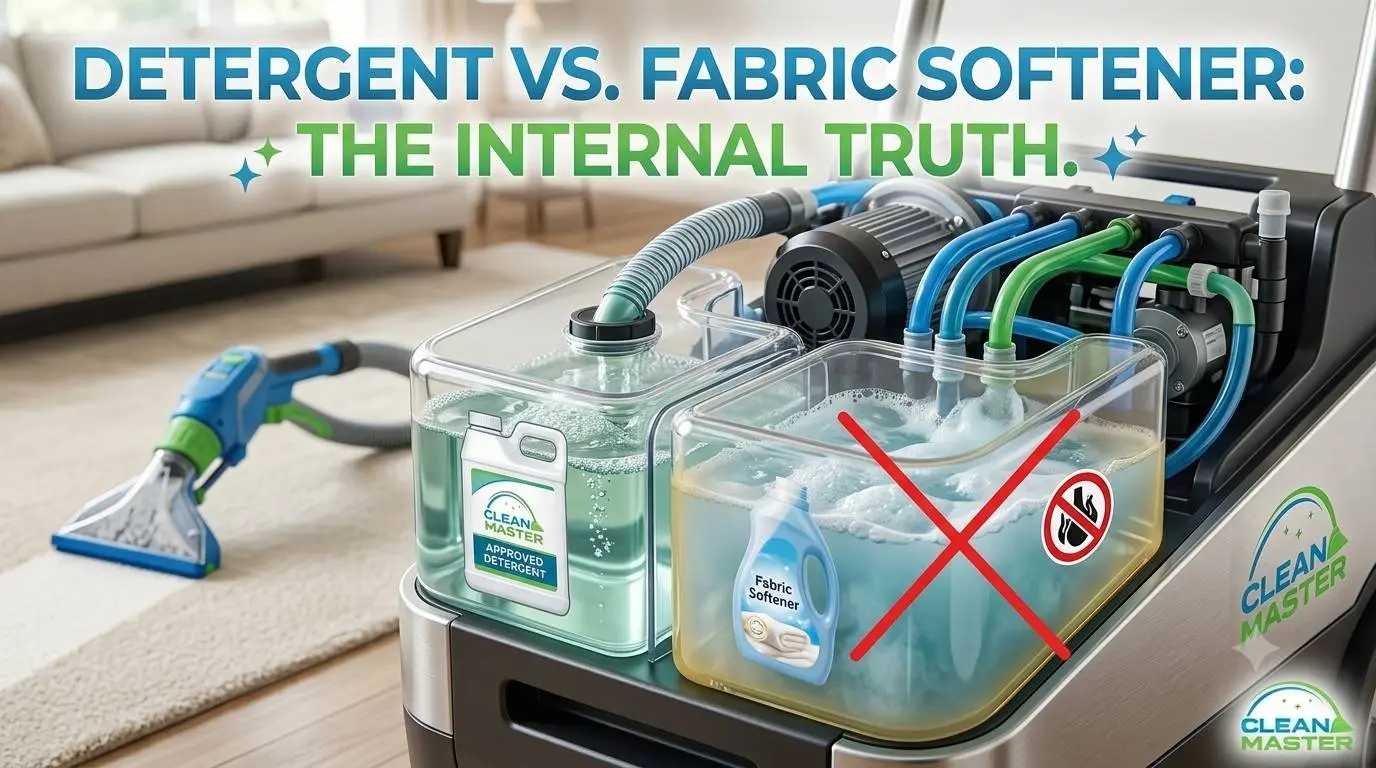
Pine Sol is not recommended for use in a carpet cleaner because it is designed for hard, non-porous surfaces rather than carpet fibers. Carpet cleaning machines require low-residue, fiber-safe solutions that rinse clean.  Pine Sol contains surfactants and fragrances that can cling to carpet fibers and padding. Using it may lead to residue buildup, sticky carpets, and faster resoiling. Additionally, Pine Sol can interfere with carpet cleaner mechanics, potentially damaging internal components and voiding equipment warranties. Why Pine Sol Is Made for Hard Surfaces Pine Sol is formulated to cut grease and disinfect sealed surfaces like tile, laminate, and countertops. These surfaces do not absorb moisture the way carpets do. When applied to carpet fibers, Pine Sol penetrates deeply and becomes difficult to rinse out. This mismatch in formulation makes it unsuitable for carpet cleaning machines designed for water-based, low-residue detergents. What Happens If You Use Pine Sol on Carpet Using Pine Sol on carpet can create several long-term problems. While it may initially leave a clean scent, the residue left behind attracts dirt and debris. This leads to rapid resoiling and uneven carpet texture. In some cases, Pine Sol can discolor carpet fibers or cause stiffness after drying. These effects reduce carpet appearance and lifespan, making professional correction more difficult. Residue Buildup and Sticky Carpet Issues Sticky residue is one of the most common outcomes of using Pine Sol on carpet. The residue traps dirt and dust, causing carpets to feel tacky underfoot. This condition also makes vacuuming less effective. Professional extraction is often required to remove the buildup and restore normal carpet texture. Is Pine Sol Safe for Carpet Cleaning Machines Pine Sol is not safe for carpet cleaning machines. Its chemical composition can create excessive foam and leave buildup inside hoses, pumps, and tanks. This residue may clog components and reduce machine efficiency. Many carpet cleaner manufacturers specifically advise against using non-approved solutions. Using Pine Sol may result in mechanical damage and void manufacturer warranties. How Improper Solutions Affect Machine Performance Non-approved cleaners disrupt water flow and suction balance within machines. Excessive suds reduce extraction power and increase drying time. Over time, internal residue may cause corrosion or blockages, leading to costly repairs or equipment failure. Health and Indoor Air Quality Concerns Using Pine Sol in carpet cleaners can affect indoor air quality. Strong fragrances and chemical residues may irritate sensitive individuals. Carpets retain these substances longer than hard surfaces, increasing exposure risks. Children and pets are especially vulnerable due to close contact with carpeted floors. Safe carpet cleaning focuses on residue-free solutions that minimize airborne and surface irritants. Impact on Children and Pets Children and pets spend more time in direct contact with carpets. Residual chemicals can cause skin irritation or respiratory discomfort. Choosing carpet-specific cleaners reduces these risks and supports a healthier indoor environment. Safer Alternatives to Pine Sol for Carpet Cleaning Instead of Pine Sol, use products designed specifically for carpets. These solutions clean effectively while protecting fibers and machines. These options deliver better results without damaging carpets or equipment. Why Carpet-Specific Cleaners Work Better Carpet cleaners are formulated to rinse thoroughly and leave minimal residue. They protect fiber integrity and prevent rapid resoiling. Using proper solutions ensures consistent cleaning and longer carpet life. When Professional Carpet Cleaning Is the Best Choice Professional carpet cleaning is the safest option when dealing with heavy soil, odors, or improper past cleaning attempts. Professionals use approved solutions and powerful extraction to remove residue and contaminants effectively. This approach restores carpet softness and appearance without unnecessary risk. Correcting Damage from Improper Cleaning Products If Pine Sol has already been used on carpet, professional cleaning may be required to remove residue. Deep extraction and neutralizing rinses help reverse sticky textures and lingering odors. Early intervention improves recovery results. FAQ’s: Q 1.Can Pine Sol ruin my carpet Yes, Pine Sol can damage carpet fibers by leaving residue, causing discoloration, and attracting dirt. It is not formulated for carpet use. Q 2.Can I dilute Pine Sol to make it carpet-safe Diluting Pine Sol does not make it safe for carpet cleaners. Residue and foaming issues can still occur even at low concentrations. Q 3.Does Pine Sol remove carpet stains Pine Sol may remove some surface stains, but it often leaves residue behind. Carpet-specific stain removers provide safer and more effective results. Q 4.What should I use instead of Pine Sol in a carpet cleaner Use carpet cleaning solutions approved by your machine manufacturer. These products are designed to clean fibers safely and rinse clean. Final Thoughts: Pine Sol should not be used in a carpet cleaner due to its residue, foaming, and potential machine damage risks. Carpet cleaning requires fiber-safe, low-residue solutions that protect both carpets and equipment. Choosing proper carpet cleaners or professional services ensures effective cleaning, better indoor air quality, and long-term carpet health without unnecessary complications. ‍
Read more

Hidden Drawbacks of Steam Carpet Cleaning

Steam carpet cleaning is widely used for deep cleaning, but it is not without drawbacks. This method relies on hot water extraction, which introduces significant moisture into carpet fibers. While effective at removing soil, excessive moisture can cause extended drying times and increase the risk of residue buildup.  Certain carpet types may not respond well to high heat or water saturation. Understanding the disadvantages helps homeowners choose the most suitable cleaning method for their specific carpet conditions. Why Steam Cleaning Uses High Moisture Levels Steam carpet cleaning works by injecting hot water deep into carpet fibers to loosen dirt and debris. The process depends on moisture to flush contaminants out. However, carpets and padding absorb water easily, especially in high-traffic areas.  If moisture is not extracted efficiently, it can remain trapped beneath the surface. This reliance on water is one of the primary disadvantages of steam carpet cleaning. Long Drying Time Is a Major Drawback One of the most common disadvantages of steam carpet cleaning is extended drying time. Carpets may take several hours or even a full day to dry completely. During this period, foot traffic can transfer dirt back into damp fibers.  Long drying times can also disrupt household routines and increase discomfort, especially in humid conditions. How Slow Drying Affects Carpet Condition When carpets remain damp for too long, they become vulnerable to odor development and mildew growth. Moisture trapped in padding may cause lingering smells that are difficult to remove. Proper ventilation and airflow help, but drying time remains a limitation of steam carpet cleaning. Risk of Overwetting and Mold Growth Overwetting occurs when too much water penetrates the carpet backing and padding. This risk increases when equipment is outdated or improperly used. Mold and mildew thrive in moist environments, making overwetting a serious concern. Steam carpet cleaning must be done carefully to avoid creating conditions that encourage microbial growth. Why Padding Retains Moisture Carpet padding absorbs water like a sponge. Once moisture reaches this layer, it becomes difficult to remove completely. Even if the carpet surface feels dry, padding may still hold moisture. This hidden dampness increases the risk of mold development and structural damage. Not Suitable for All Carpet Types Steam carpet cleaning is not ideal for every carpet. Delicate fibers, natural materials, and low-quality carpets may shrink, discolor, or weaken when exposed to high heat and moisture. Some carpets are designed for low-moisture or dry cleaning methods instead. Carpets That May Be at Higher Risk Wool carpets, antique rugs, and certain blends are more sensitive to heat and water. Using steam cleaning on these materials can result in fiber distortion or color bleeding. Proper assessment is essential before selecting this method. Potential for Residue and Rapid Resoiling Another disadvantage of steam carpet cleaning is the potential for residue buildup. If detergents are not rinsed thoroughly, residue remains in fibers. This residue attracts dirt, causing carpets to soil more quickly after cleaning. Why Residue Leads to Faster Dirt Buildup Sticky residue acts like a magnet for dust and debris. As foot traffic resumes, carpets may appear dirty sooner than expected. Using correct detergents and proper extraction reduces this risk, but it remains a concern. Equipment Quality and Operator Skill Matter The effectiveness of steam carpet cleaning depends heavily on equipment quality and technician skill. Poor technique or underpowered machines may leave carpets overwet or inadequately cleaned. This inconsistency is a notable drawback compared to other controlled methods. Difference Between Professional and DIY Steam Cleaning DIY steam cleaners often lack the suction power needed for proper extraction. This increases drying time and residue risk. Professional-grade equipment offers better results, but quality varies between service providers. Situations Where Steam Cleaning May Not Be Ideal Steam carpet cleaning is not always the best choice depending on carpet condition and household needs. In these cases, alternative cleaning methods may be more appropriate. When Low-Moisture Cleaning Is a Better Option Low-moisture methods reduce drying time and minimize water exposure. These alternatives provide effective cleaning while avoiding some disadvantages of steam carpet cleaning. FAQ’s: Q 1.Is steam carpet cleaning bad for carpets Steam carpet cleaning is not inherently bad, but improper use can cause damage. High moisture and heat may harm certain carpet types if not applied correctly. Q 2.Can steam cleaning cause mold in carpets Yes, steam cleaning can contribute to mold growth if carpets remain damp for extended periods. Proper extraction and drying are essential to prevent this issue. Q 3.Why does carpet feel sticky after steam cleaning Sticky carpets result from detergent residue left behind. Incomplete rinsing during steam cleaning attracts dirt and creates a tacky texture. Q 4.Is steam carpet cleaning better than dry cleaning Steam cleaning provides deep cleaning, but dry cleaning may be better for fast drying and delicate carpets. The best method depends on carpet type and conditions. Final Thoughts: Steam carpet cleaning offers deep soil removal but comes with notable disadvantages, including long drying times, moisture risks, and suitability concerns. Understanding these limitations helps homeowners make informed decisions. Choosing the right cleaning method based on carpet type, environment, and usage ensures better results, improved longevity, and a healthier indoor space. ‍
Read more