08
Aug, 26
What Is the Best Steam Cleaner for Tile and Grout?
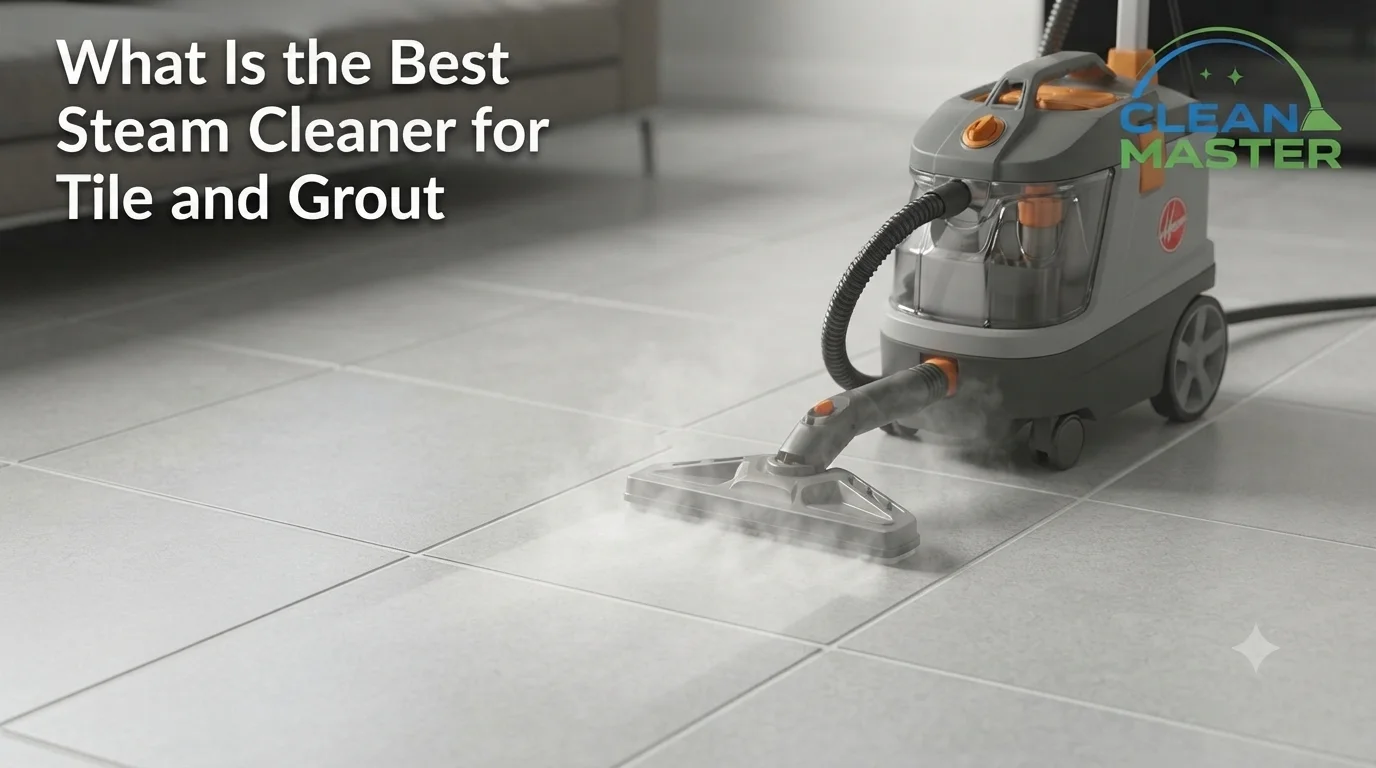
There’s no single steam cleaner that’s objectively “the best” for every home, since the right choice depends on the size of your space, how neglected your grout is, and how much you’re willing to spend. What matters more than any specific product name is understanding which features actually make a difference on tile and grout, since a lot of steam cleaners on the market are built with carpet, upholstery, or general household use in mind rather than grout specifically. This guide breaks down exactly what to look for, why each feature matters for grout cleaning specifically, and where DIY equipment tends to hit a ceiling compared to professional-grade tools used in tile and grout cleaning. Why Grout Cleaning Requires Different Features Than General Steam Cleaning Grout is a uniquely demanding surface for steam cleaning. It’s porous, recessed below the tile surface, and often holds onto years of accumulated grime that regular household cleaning never fully reaches. A steam cleaner built primarily for wiping down kitchen counters or refreshing carpet isn’t necessarily equipped to handle grout’s specific challenges. This is why the features that matter most for grout cleaning are somewhat different from what you’d prioritize in a general-purpose steam cleaner. Many shoppers assume that any steam cleaner marketed for “hard floors” will automatically perform well on grout specifically, when in reality grout behaves more like a narrow, recessed channel than an open flat surface, which changes what actually matters in a machine. The Features That Actually Matter Steam Pressure and Temperature This is the single biggest factor in how effectively a steam cleaner performs on grout. Higher steam pressure and temperature allow the machine to penetrate deeper into grout’s porous texture, loosening grime that’s bonded below the surface rather than just warming the top layer. Look for a machine that clearly states its steam pressure output, typically measured in bar or PSI depending on the manufacturer. Machines with higher pressure ratings generally perform better on tougher, more set-in grout grime, while lower-pressure consumer models are better suited to lighter, more frequent maintenance cleaning. Continuous Steam vs. Tank Refill Cycles Some steam cleaners require you to stop and let the machine reheat or refill periodically, which interrupts your cleaning session and can lead to inconsistent results across a larger area. Others offer continuous or near-continuous steam output for longer stretches. For anything beyond a small bathroom, a machine with a longer continuous run time saves real time and produces more even results than one that needs frequent pauses. This is especially relevant for larger homes with tile running through multiple rooms, where constant stopping and starting can turn a single afternoon project into something that stretches across an entire weekend. Attachment and Nozzle Options A steam cleaner’s attachments matter just as much as its core power output. Look specifically for: A machine with only a flat mop-style pad and no grout-specific attachment will struggle to direct steam and agitation into recessed grout lines effectively, no matter how powerful the steam output is. Tank Capacity Larger tank capacity means longer cleaning sessions without needing to stop and refill. For a single bathroom, this matters less. For larger areas like an entire tiled kitchen, hallway, or multiple bathrooms, tank capacity becomes a real factor in how efficiently you can get through the job. Handle and Maneuverability Grout cleaning often involves working close to baseboards, corners, and tight spaces around fixtures like toilets and cabinets. A steam cleaner with a flexible hose, swivel head, or detachable handheld unit tends to handle these tighter areas far better than a rigid, upright-only design. Water Filtration and Mineral Buildup Prevention Steam cleaners that use tap water without any filtration can develop mineral buildup inside the machine over time, which reduces steam output and can eventually damage internal components. Machines with built-in filtration, or manufacturer guidance to use distilled water, tend to maintain consistent performance longer. Comparing Steam Cleaner Types for Grout Cleaning Type Steam Power Best For Limitations Basic handheld steam cleaner Lower pressure and temperature Spot cleaning, small areas, light maintenance Limited tank size, slower on larger jobs Upright steam mop Moderate pressure Regular whole-floor maintenance Often lacks a true dedicated grout attachment Canister-style steam cleaner with attachments Moderate to higher pressure Combination of floor and detailed grout work Bulkier, less convenient for quick spot jobs Professional-grade steam equipment Significantly higher pressure and temperature Deep cleaning heavily soiled or long-neglected grout Not typically owned by homeowners, generally used by trained technicians Why DIY Steam Cleaners Have a Real Ceiling Even the best consumer steam cleaner on the market is still built within the constraints of a home appliance: manageable size, reasonable price point, and safety standards for general household use. Professional-grade steam equipment operates in a different category entirely, generating meaningfully higher pressure and sustained steam output that a home unit simply isn’t engineered to produce. This matters most for grout that’s been neglected for years or has deep, set-in discoloration. A high-quality home steam cleaner can meaningfully improve everyday grime and lighter buildup, but grout that’s been absorbing grime for a decade or more often needs the kind of sustained, higher-temperature steam output that only professional equipment can generate. This isn’t a knock on home steam cleaners. It’s simply a difference in what each category of equipment was built to do. It’s a bit like comparing a home pressure washer to an industrial one. Both use the same underlying principle, but the ceiling on what each can accomplish is fundamentally different, and no amount of technique or patience fully closes that gap once a job exceeds what the home version was designed to handle. A Practical Framework for Choosing Rather than looking for one “best” product, it helps to match the machine to your actual situation: If you’re maintaining grout that’s generally in decent shape: A mid-range steam mop or handheld unit with a dedicated grout attachment and moderate steam pressure is typically sufficient. Regular use will keep buildup from accumulating in the first