What Is Upholstery Cleaning?

Maintaining a clean and healthy home goes beyond vacuuming floors and dusting surfaces—your upholstered furniture also needs attention. But what is upholstery cleaning, and why is it so important? Upholstery cleaning refers to the professional or DIY process of deep cleaning the fabric or padding that covers furniture items like sofas, chairs, ottomans, and more. Over time, these materials accumulate dust, dirt, allergens, pet dander, and even bacteria, which can impact indoor air quality and the longevity of your furniture. Learn Also: What Does Upholstery Cleaning Cost Understanding Upholstery Cleaning Upholstery cleaning involves specialized techniques and tools designed to clean the fabric surfaces of furniture without damaging the material or its structure. Unlike general surface cleaning, it dives deep into the layers of upholstery to extract hidden contaminants. Common Upholstery Materials Before diving into the cleaning methods, it’s important to understand the types of fabrics used in upholstery. Each material may require a different cleaning approach: Learn Also: How to Clean Your Mattress Methods of Upholstery Cleaning There are various methods used to clean upholstery, each suited for specific fabric types and levels of soiling. 1. Steam Cleaning (Hot Water Extraction): This is a popular method where hot water mixed with a cleaning solution is injected into the fabric. The solution loosens dirt and grime, which is then extracted with a powerful vacuum. It is highly effective for deep cleaning and removing allergens. 2. Dry Cleaning: This method involves the use of minimal moisture and specialized chemical solvents to clean delicate fabrics. It’s ideal for materials that can’t tolerate water. 3. Foam Cleaning: In foam cleaning, a foam-based cleanser is applied to the fabric and worked in using a soft brush. The foam lifts dirt from the surface, which is then vacuumed away. It’s a gentle but effective method suitable for many fabric types. 4. DIY or Spot Cleaning: For minor stains and daily maintenance, homeowners often use fabric-safe cleaning solutions or upholstery-specific wipes. While convenient, DIY methods can’t match the thoroughness of professional cleaning. Benefits of Upholstery Cleaning Regular upholstery cleaning offers a wide range of benefits, making it a vital part of your home maintenance routine. 1. Enhances Air Quality: Dust, pollen, and pet dander trapped in upholstery can contribute to indoor air pollution. Cleaning your furniture helps reduce allergens and create a healthier environment. 2. Prolongs Furniture Lifespan: Dirt and debris can break down fabric fibers over time. Deep cleaning preserves the integrity of your furniture and extends its useful life. 3. Removes Odors: Food spills, pets, and everyday use can leave your furniture smelling less than fresh. Professional cleaning eliminates odor-causing bacteria and refreshes the fabric. 4. Improves Appearance: Regular cleaning keeps furniture looking new and vibrant by removing stains, spots, and dullness caused by accumulated dirt. Know More About: Can You Use An Upholstery Cleaner On A Mattress When Should You Get Your Upholstery Cleaned? While frequency can vary based on usage, a general rule of thumb is to clean your upholstered furniture every 12 to 18 months. However, households with pets, children, or individuals with allergies may require more frequent cleaning—perhaps every 6 to 12 months. Tips for Maintaining Upholstered Furniture Readers Also Asked For: Q 1: Can I clean my upholstery myself, or should I hire a professional? DIY methods are great for light maintenance or spot cleaning. However, for a deep clean or stubborn stains, it’s best to hire professionals who have the right tools and expertise. Q 2: How long does upholstery take to dry after cleaning? Drying time depends on the cleaning method and fabric type. Steam-cleaned furniture may take 4–6 hours to dry completely, while dry-cleaning methods allow faster drying, often within 1–2 hours. Q 3: Is upholstery cleaning safe for all types of furniture? Yes, as long as the correct cleaning method is used for the specific fabric. A reputable cleaning service will assess your upholstery and choose the safest and most effective approach. Final Thoughts: Understanding what upholstery cleaning is—and implementing it as part of your regular home care—can significantly enhance your living space. From improving indoor air quality to prolonging the life of your furniture, this often-overlooked service offers benefits that go beyond aesthetics. Whether you choose to DIY or hire a professional, consistent upholstery maintenance is key to a cleaner, healthier home. ‍
Read more

What Is Carpet Cleaning

Carpets add warmth, comfort, and style to any home or office. However, over time, they accumulate dust, allergens, dirt, and even bacteria that vacuuming alone can’t remove. This is where carpet cleaning comes into play. But what exactly is carpet cleaning, and why is it so important? In this blog post, we’ll explore what carpet cleaning involves, the most common methods used, its benefits, and how to maintain a clean carpet between professional cleanings. Understanding Carpet Cleaning Carpet cleaning is the process of removing dirt, stains, allergens, and microbes from carpet fibers using a variety of cleaning techniques. Unlike routine vacuuming, which only lifts surface dirt, carpet cleaning penetrates deeper into the carpet pile to extract embedded grime and contaminants. It can be performed using several methods, each designed for different carpet types, levels of soiling, and usage scenarios. The goal is to not only improve the appearance of your carpet but also to extend its lifespan and contribute to a healthier indoor environment. Why Is Carpet Cleaning Important? Dirty carpets don’t just look unappealing—they can also negatively impact indoor air quality and health. Here are some key reasons why regular carpet cleaning is crucial: 1. Improves Indoor Air Quality Carpets trap dust, allergens, pet dander, and pollutants. Over time, these particles can become airborne and cause respiratory problems or trigger allergies. Deep cleaning removes these hidden contaminants. 2. Extends Carpet Lifespan Dirt and debris can wear down carpet fibers, causing them to fray and deteriorate. Regular cleaning preserves the integrity of the carpet and increases its longevity. 3. Eliminates Stains and Odors Spills, pet accidents, and foot traffic often leave unsightly stains and unpleasant odors. Carpet cleaning techniques such as steam cleaning or shampooing can restore your carpet’s appearance and freshness. 4. Enhances Appearance A clean carpet instantly makes a room look more polished and inviting. Whether you’re expecting guests or staging a property for sale, clean flooring leaves a strong impression. Common Carpet Cleaning Methods Different cleaning methods are suited to different needs, carpet materials, and levels of soiling. Here are the most popular ones: 1. Hot Water Extraction (Steam Cleaning) Often considered the most effective method, hot water extraction involves spraying hot water mixed with cleaning agents into the carpet and then vacuuming it out along with loosened dirt. It’s ideal for deep cleaning and is widely used by professionals. 2. Dry Carpet Cleaning This low-moisture method uses specialized compounds or powders that are brushed into the carpet and then vacuumed. It’s a good option for commercial spaces where minimal drying time is essential. 3. Shampooing Carpet shampooing involves applying a foamy chemical solution and scrubbing it into the carpet. After it dries, the residue and dirt are vacuumed away. Though older and less commonly used today, it’s still effective for heavily soiled carpets. 4. Encapsulation This method uses synthetic detergents that crystallize into powder as they dry. Once dry, the encapsulated dirt is vacuumed. It’s an efficient and quick-drying method ideal for regular maintenance. How Often Should You Clean Your Carpet? The frequency of carpet cleaning depends on various factors such as foot traffic, presence of pets or children, and indoor air quality. As a general rule: Regular professional cleaning combined with routine vacuuming can keep your carpet in top shape for years. Tips to Maintain Your Carpet Between Cleanings Keeping your carpet clean doesn’t always require heavy-duty equipment. Here are a few simple practices to extend the time between professional cleanings: Frequently Asked Questions: Q 1: What is carpet cleaning, and why do I need it? Carpet cleaning is the process of removing deep-set dirt, stains, and allergens from carpets using specialized methods. It’s necessary to maintain hygiene, extend carpet life, and improve indoor air quality. Q 2: Can I clean my carpet myself, or should I hire a professional? While DIY carpet cleaners and rental machines are available, professional cleaning offers deeper results and is recommended for heavily soiled carpets or delicate fibers. Q 3: How long does it take for a carpet to dry after cleaning? Drying time varies by method. Steam cleaning may take 6–12 hours to dry fully, while dry cleaning methods may only take 1–2 hours. Final Thoughts: So, what is carpet cleaning? It’s more than just removing visible dirt—it’s a critical part of home maintenance that contributes to health, comfort, and the lifespan of your flooring. With several methods available, you can choose the one that best suits your carpet type and lifestyle. Regular carpet cleaning is a smart investment. Whether you opt for professional services or a well-planned DIY routine, a clean carpet enhances your home environment and keeps your living spaces looking and feeling their best. ‍
Read more

How Frequent Should A Carpet Be Cleaned

Carpets are a cozy, stylish addition to any home or office. They soften your space, reduce noise, and help insulate your floors. But over time, carpets trap dirt, dust, allergens, pet hair, and bacteria that affect both their appearance and your indoor air quality. This leads many people to ask: how often should you get your carpet cleaned? The answer isn’t one-size-fits-all. It depends on several factors like foot traffic, pets, allergies, and the type of carpet you have. In this guide, we break down how often you should schedule professional carpet cleanings, daily maintenance tips, and how to extend the life of your carpet. Why Regular Carpet Cleaning Matters Carpet acts like a filter, trapping particles that would otherwise circulate in the air. Over time, these contaminants accumulate and impact: Neglecting regular cleaning can also allow mold and bacteria to thrive, especially in humid environments. General Recommendations for Carpet Cleaning Every 12 Months (Minimum) As a rule of thumb, professional carpet cleaning should be done at least once a year. This is a general guideline for homes without pets, smokers, or small children. Professional cleaning methods like steam cleaning (hot water extraction) remove deeply embedded dirt and debris that regular vacuuming can’t reach. Manufacturers often recommend yearly cleaning to maintain the warranty. Carpet Cleaning Frequency Based on Household Factors Different households have different needs. Here’s how lifestyle factors affect cleaning frequency: 1. Homes with Children Kids tend to spill drinks, drop food, and track in dirt. For households with children, consider cleaning your carpets every 6 to 9 months to prevent stains and maintain cleanliness. 2. Pet Owners Pets shed fur, carry outdoor dirt inside, and occasionally have accidents. If you have dogs or cats, especially multiple pets, clean your carpets every 3 to 6 months. 3. Allergy Sufferers Carpets can hold onto allergens like pollen, dust mites, and pet dander. If someone in your household suffers from allergies or asthma, cleaning every 2 to 3 months can significantly improve indoor air quality. 4. Smokers Indoors Cigarette smoke leaves behind a strong odor and residue that clings to carpet fibers. If someone smokes inside, clean the carpet every 3 to 6 months to reduce odors and buildup. 5. High-Traffic Areas Rooms like hallways, living rooms, and entryways receive the most foot traffic. These areas typically need cleaning every 4 to 6 months, even if the rest of the carpet can go longer between cleanings. Daily and Weekly Carpet Maintenance Tips To reduce the need for frequent deep cleanings, implement a solid maintenance routine: Consistent care keeps your carpets looking new and extends the time between professional cleanings. Signs It’s Time to Clean Your Carpet Even if it hasn’t been a full year, certain signs suggest it’s time for a cleaning: If you notice these issues, don’t wait—schedule a cleaning sooner to restore your carpet’s health. Choosing the Right Carpet Cleaning Method There are several types of professional carpet cleaning methods: Always consult with a trusted carpet cleaning company to choose the method best suited for your carpet material and condition. Frequently Asked Questions: Q 1.How often should you clean your carpet if you have pets? If you have pets, it’s best to clean your carpets every 3 to 6 months. Pet hair, dander, and accidents can build up quickly and contribute to odors and allergens. Q 2.Is vacuuming enough to keep carpets clean? Vacuuming is essential for weekly maintenance, but it doesn’t remove deep-seated dirt and allergens. Professional cleaning is necessary every 6–12 months, depending on your household needs. Q 3.Will professional carpet cleaning damage my carpet? No—when done correctly, professional carpet cleaning is safe. In fact, most manufacturers recommend regular professional cleaning to preserve your carpet’s texture, color, and warranty. Final Thoughts: So, how often should you get your carpet cleaned? At least once a year is the general recommendation—but your household habits, number of occupants, pets, and allergies may require more frequent cleanings. By staying on top of vacuuming and spot cleaning, and scheduling professional services when needed, you can keep your carpets fresh, clean, and long-lasting. ‍
Read more
AC House Air Ducts Be Cleaned 2

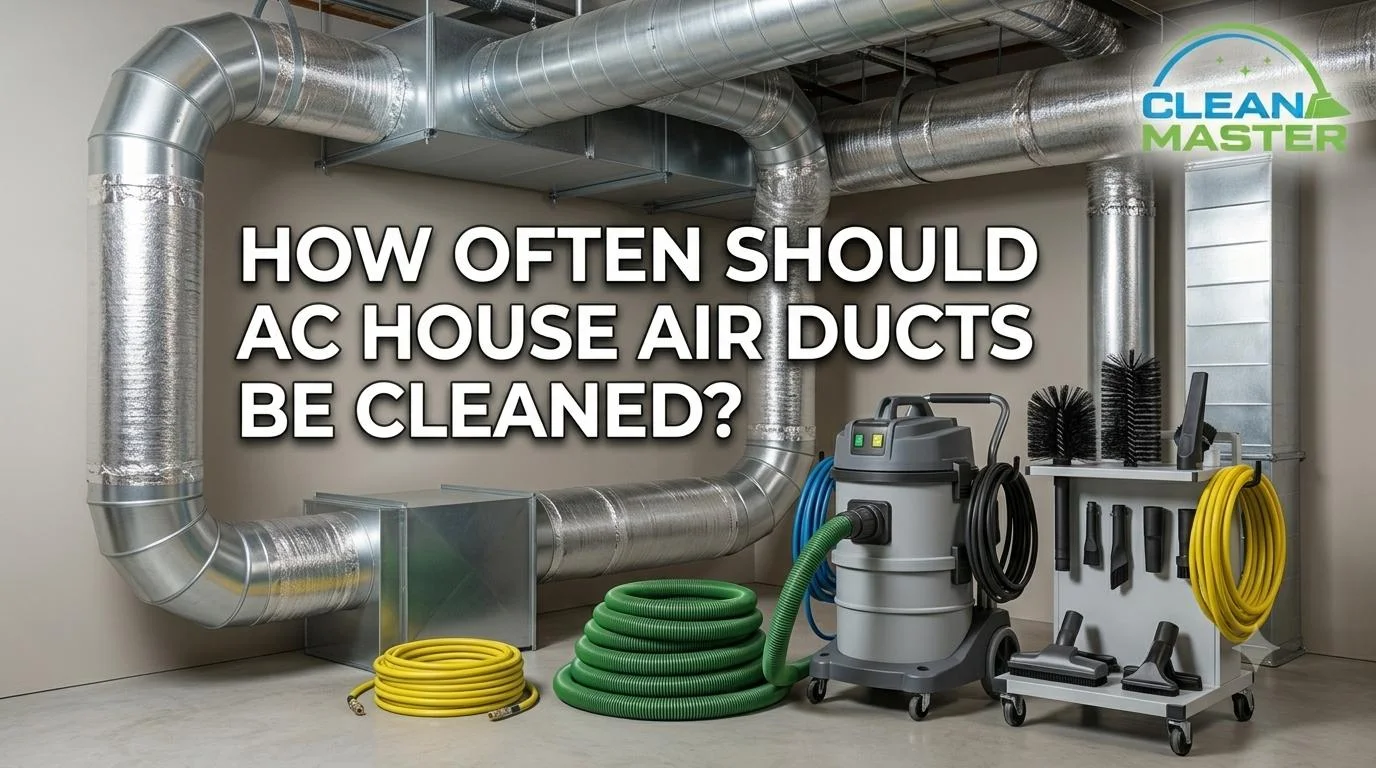
How Often Should AC House Air Ducts Be Cleaned

The most commonly cited answer to this question, every 3 to 5 years, is a reasonable baseline for a specific type of home: one without pets, without allergy sufferers, without recent renovation activity, and with newer ductwork in good condition. For most DFW homes, at least one of those conditions doesn’t apply, which means the 3-to-5-year figure is a starting point for a more nuanced answer rather than a universal rule. At Clean Master Carpet Cleaning, air duct cleaning is one of our core DFW services, and we see the full range of home situations, from ducts that are genuinely fine at five-year intervals to ducts that needed attention in under two years based on what was going on in the home. Here’s how to think about the right frequency for your specific situation. The Baseline: Every 3 to 5 Years for a Standard Home For a home with no pets, no occupants with respiratory sensitivities, no recent construction, standard ductwork in good condition, and consistent filter maintenance, the 3 to 5-year professional cleaning interval is appropriate. At that frequency, routine accumulation of dust, pollen, and normal household particulates is managed without reaching levels that affect air quality or system performance meaningfully. This baseline assumes: If all of these conditions are met consistently, 3 to 5 years between professional cleanings is a defensible interval. Most DFW homes fall somewhere short of all of these conditions, which is where the factors below come in. The Factors That Shorten Your Cleaning Interval Pets in the Home Pet ownership is the single most common factor that reduces the appropriate duct cleaning interval in DFW homes. Pets contribute: For homes with one or two pets that shed moderately, a 2 to 3-year cleaning interval is more appropriate than the standard baseline. For homes with multiple pets, heavy-shedding breeds, or pets that spend significant time indoors, every 2 years is a reasonable target, and more frequent if air quality concerns arise between scheduled cleanings. We’ve cleaned ducts in DFW pet households at the 3-year mark and found accumulation levels that visibly affected the inspection, matted hair at register entries, dander-laden dust throughout the main trunk lines, and in some cases pet odor compounds recirculating through the system. The air quality difference after cleaning in these homes was immediately noticeable to the occupants. Allergy or Asthma Sufferers When household members have diagnosed allergies, asthma, or other respiratory sensitivities, the duct system becomes more relevant to their daily health than it would be for a healthy adult household. Pollen, dust mite debris, mold spores, and pet dander that accumulate in ductwork are recirculated every time the HVAC runs, which in DFW’s climate means most of the year. For homes with allergy or asthma sufferers, every 2 years is the recommended professional cleaning interval, combined with high-efficiency HVAC filters (MERV 8 or higher) changed on a strict schedule. Some households benefit from annual professional inspection with cleaning when accumulation warrants it. Pairing duct cleaning with Clean Master’s carpet cleaning service makes particular sense for allergy households. Carpet holds significant allergen loads that are disturbed and recirculated by foot traffic and vacuuming, and addressing both the carpet and the duct system in the same period provides the most comprehensive reduction in whole-home allergen levels. Recent Renovation or Construction This is the factor that most consistently produces a cleaning need outside the normal schedule, and the one most often overlooked. Renovation and construction activity generates significant quantities of fine particulate matter, drywall dust, wood dust, insulation fibers, concrete particles, that infiltrate HVAC systems even when returns are covered during work. Fine construction dust is small enough to bypass filter protection that captures normal household particulates, and it settles throughout the duct network during and after the work period. Professional duct cleaning is recommended after any significant renovation, regardless of where the home is in its regular cleaning schedule. This applies to: Construction dust in ductwork doesn’t just affect air quality, it can accumulate on the HVAC coil and blower components, reducing system efficiency and potentially causing maintenance issues that cost more than the cleaning would have. DFW Climate and Seasonal Considerations DFW’s climate creates specific duct cleaning considerations that homeowners in other regions don’t face at the same level. High pollen loads: North Texas has significant spring tree pollen followed by summer grass pollen and fall weed pollen, one of the more aggressive pollen seasons in the country. DFW homes run HVAC systems through most of the pollen season, and even with filters in place, pollen accumulates in duct systems over time more heavily than in lower-pollen climates. Extended HVAC run time: DFW summers regularly push temperatures above 100°F, meaning AC systems run for extended periods daily from May through September. More HVAC operation means more air movement through the duct system and faster accumulation of whatever particulates are circulating. A home in a mild climate that runs its HVAC for 4 months annually is using its system very differently from a DFW home running it for 7 to 8 months, and the accumulation difference is real. Humidity and moisture: DFW’s humidity, particularly in summer mornings, creates conditions where moisture can enter the duct system through condensation or imperfect sealing. Moisture in ductwork is the precondition for mold growth, which, if established, requires professional remediation rather than routine cleaning and shortens the appropriate cleaning interval significantly. For DFW specifically, the lower end of the 3-to-5-year standard range, every 3 years, is more appropriate than the higher end, and homeowners with any of the additional factors above should adjust shorter from there. Home Age and Duct Material Older homes and older duct systems accumulate contamination differently than newer construction. Factors worth considering: For homes over 20 years old with original ductwork, a professional inspection at the 2 to 3-year mark, with cleaning when accumulation warrants, is more prudent than waiting for the standard 3-to-5-year interval. Signs Your Ducts Need Cleaning Now, Regardless of Schedule Some situations warrant professional cleaning based
Read more

Should A Dormant Air Duct Be Cleaned

Maintaining a clean and efficient HVAC system is essential for healthy indoor air quality and optimal energy use. One common question homeowners ask is, should a dormant air duct be cleaned? Dormant air ducts—ducts that are not actively used or connected to vents—can sometimes be overlooked during routine HVAC maintenance. However, understanding when and why to clean these ducts can make a big difference in your home’s comfort and air quality. In this article, we’ll explore what dormant air ducts are, the potential risks of leaving them uncleaned, and provide guidance on when cleaning them is necessary. What is a Dormant Air Duct? A dormant air duct is a section of ductwork that is no longer in active use. This could be due to changes in your HVAC system, remodeling, or the closure of vents in certain rooms. Although these ducts may not currently circulate air, they remain part of your home’s ductwork network. Dormant ducts may accumulate dust, debris, mold spores, or even pests over time, especially if they have been unused for long periods. Because they are not regularly ventilated, contaminants inside can stagnate and affect air quality when the ducts are reactivated or if air leaks occur. Why Consider Cleaning Dormant Air Ducts? 1. Improve Indoor Air Quality Even if dormant ducts aren’t in use, contaminants inside can eventually circulate through your HVAC system when the airflow pattern changes or when the ducts are reconnected. Dust, allergens, mold spores, and other pollutants trapped inside dormant ducts can degrade indoor air quality and cause health problems, particularly for those with allergies or respiratory issues. 2. Prevent Mold and Mildew Growth Dormant ducts can be a breeding ground for mold and mildew, especially in humid environments. Without regular airflow, moisture can accumulate and create ideal conditions for fungal growth. Mold in your ductwork not only damages the system but can also release spores into your living space, triggering allergic reactions and respiratory distress. 3. Avoid Pest Infestations Unused ducts are attractive nesting sites for rodents, insects, and other pests. Once inside, these unwanted visitors can leave behind droppings and debris, further contaminating the ducts and spreading allergens. 4. Maintain HVAC Efficiency Dirty dormant ducts can contribute to poor airflow and reduced system efficiency when they are brought back into use. Cleaning the ducts ensures that when the HVAC system is reconfigured or expanded, airflow is not restricted by accumulated debris. When Should You Clean Dormant Air Ducts? After Renovations or Remodeling If your home has undergone renovations that altered the duct layout or closed vents, dormant ducts may have become isolated. Before reactivating or reconnecting them, it’s wise to have them inspected and cleaned to avoid introducing contaminants into your living spaces. When Reopening Closed Rooms If you’re planning to reopen rooms that have been sealed off for some time, dormant ducts serving those spaces should be cleaned to prevent dust and allergens from circulating once airflow resumes. If You Notice Unusual Odors or Allergies Persistent musty smells, unexplained allergy symptoms, or frequent respiratory issues may signal mold or dust accumulation in dormant ducts. In such cases, cleaning the ducts can improve air quality and reduce health risks. Regular Maintenance Inspections Even if you’re not actively using dormant ducts, including them in your regular HVAC inspection routine is a good practice. A professional can assess whether cleaning is needed based on the duct’s condition. How is Dormant Air Duct Cleaning Done? Cleaning dormant air ducts typically involves the same procedures as cleaning active ductwork: Hiring a certified HVAC professional is important to ensure the cleaning is done safely and effectively. Frequently Asked Questions: Q 1. Can dormant air ducts cause health problems? ‍Yes, dormant ducts can harbor dust, mold, and allergens, which may circulate when airflow resumes, potentially causing respiratory issues, allergies, and other health problems. Q 2. How often should dormant ducts be cleaned? ‍There is no set schedule, but dormant ducts should be inspected during regular HVAC maintenance and cleaned before being reactivated or if signs of contamination are present. Q 3. Is it expensive to clean dormant air ducts? ‍Costs vary depending on duct size and contamination level, but cleaning dormant ducts is often a cost-effective step to maintain HVAC efficiency and indoor air quality compared to ignoring potential issues. Final Thoughts: Dormant air ducts are often neglected, but they can harbor contaminants that affect your home’s air quality and HVAC performance. Cleaning dormant ducts is a smart precaution, especially when reactivating closed-off spaces or after renovations. Regular inspections and professional cleanings will help ensure your HVAC system runs efficiently while keeping your indoor environment healthy and comfortable. Taking care of dormant air ducts today can save you from costly repairs and health issues tomorrow. If you suspect your dormant ducts may need attention, reach out to a qualified air duct cleaning specialist for an evaluation. ‍
Read more

Can You Use a Carpet Cleaner Solution on Upholstery

When it comes to cleaning your home, carpet cleaners often seem like a handy solution for multiple surfaces. But can you use carpet cleaner solution on upholstery safely? Upholstery cleaning can be tricky due to the delicate fabrics and varied construction of furniture, so understanding the right approach is essential to avoid damage and maintain the appearance of your sofas, chairs, and other upholstered items. In this article, we’ll explore whether carpet cleaner solutions are suitable for upholstery, how to safely clean upholstery, and what alternatives you might consider for the best results. Understanding Carpet Cleaner Solutions Carpet cleaner solutions are formulated specifically for carpets and rugs. They are designed to break down dirt, stains, and oils embedded in carpet fibers, which are usually more durable and designed to withstand more aggressive cleaning agents. These solutions often contain surfactants, enzymes, and sometimes bleaching agents to remove tough stains. While effective for carpets, these ingredients may be too harsh for upholstery fabrics. Upholstery fabrics can be made from delicate materials like silk, linen, velvet, or treated synthetic fibers that may react negatively to carpet cleaning chemicals. Learn Also: Can You Use Upholstery Cleaner on a Mattress Can You Use Carpet Cleaner on Upholstery? Generally, it is not recommended to use carpet cleaner solutions directly on upholstery unless the product specifically states it is safe for upholstery fabrics. Why Not? Learn Also: How to Clean Your Mattress & Upholstery Safe Upholstery Cleaning Tips If you want to clean your upholstery effectively without risking damage, follow these guidelines: 1. Check the Manufacturer’s Label Most upholstery pieces come with a cleaning code on the tag: Always follow these codes to choose the right cleaning method. 2. Test in an Inconspicuous Spot Before using any cleaning solution (including carpet cleaner), test it on a small, hidden area of the upholstery to check for colorfastness or fabric reaction. 3. Use Upholstery-Specific Cleaners Opt for cleaning products made specifically for upholstery fabrics. These cleaners are formulated to be gentle yet effective without harming delicate fibers. 4. Avoid Over-Wetting Excess moisture can damage upholstery padding and lead to mildew. Use minimal solution and ensure thorough drying, preferably with good ventilation or a fan. 5. Consider Steam Cleaning For deep cleaning, steam cleaners with upholstery attachments are a safe and effective alternative. They sanitize without harsh chemicals and dry quickly. Alternatives to Carpet Cleaner Solution for Upholstery If you’re hesitant to use carpet cleaner on upholstery or don’t have an upholstery cleaner handy, try these safe alternatives: Mild Dish Soap Solution: Mix a few drops of mild dish soap with warm water. Use a clean cloth dipped in the solution, wring it well, and gently blot the upholstery. Rinse with a cloth dampened with plain water and dry immediately. Vinegar and Water: A solution of equal parts white vinegar and water can help remove odors and some stains. Test first and avoid on delicate fabrics. Baking Soda: Sprinkle baking soda on upholstery, let it sit for 15-20 minutes to absorb odors and dirt, then vacuum thoroughly. Frequently Asked Questions: Q 1. Will carpet cleaner ruin my upholstery fabric?‍ Yes, carpet cleaner solutions can cause discoloration, damage the fibers, or leave residue that attracts dirt, especially on delicate upholstery fabrics. Q 2. Can I dilute carpet cleaner to use on upholstery? ‍While dilution might reduce the risk, it’s still not recommended unless the product label specifically says it’s safe for upholstery. Testing on a small area is essential. Q 3. What is the best way to clean upholstery without professional help? Use upholstery-specific cleaners, mild soap solutions, or gentle natural cleaners. Always test first and avoid soaking the fabric. Final Thoughts: While carpet cleaner solutions might seem like a convenient option for cleaning upholstery, they often contain chemicals too harsh for delicate fabrics and furniture construction. Using carpet cleaner on upholstery without caution can result in damage, discoloration, or lingering odors. Always check your furniture’s cleaning code, opt for upholstery-specific products, and test any cleaner in a hidden area first. When in doubt, consider professional upholstery cleaning services to maintain your furniture’s appearance and longevity. Taking the time to clean upholstery properly ensures your home stays fresh and your furniture remains beautiful for years to come. ‍
Read more

How to Use Heavy Duty Tile and Grout Cleaner Like a Pro

Grimy grout lines and stained tile floors are common problems for homeowners, especially in high-traffic areas like kitchens and bathrooms. At Clean Master Carpet Cleaning, we often get asked how to get a truly deep clean that restores tile to like-new condition. The answer lies in using a heavy duty tile and grout cleaner the right way. In this guide, we break down how to safely and effectively use these powerful cleaners for optimal results. What Is a Heavy Duty Tile and Grout Cleaner? Heavy duty tile and grout cleaners are specially formulated to break down stubborn grime, mold, and mineral buildup that regular household cleaners can’t tackle. These products are typically: At Clean Master, we use commercial-grade solutions paired with advanced tools to get into the toughest corners of your tile flooring. Step-by-Step: How to Use Heavy Duty Tile and Grout Cleaner 1. Preparation Is Key Before applying any cleaner, do a basic sweep or vacuum of the area to remove loose dirt. This ensures the cleaner can work directly on embedded grime without being blocked by surface debris. 2. Test a Small Area First Always spot-test the cleaner on a hidden section of tile. Some heavy duty solutions can damage natural stone or unsealed grout. Better safe than sorry. 3. Apply the Cleaner Evenly 4. Scrub Thoroughly 5. Rinse With Clean Water Use clean, warm water to rinse the tiles and grout thoroughly. Mop up excess water with a microfiber cloth. For best results, rinse twice to ensure all cleaner residue is removed. 6. Dry and Inspect Allow the area to dry completely, then inspect. Stains not fully removed may need a second treatment. You can also apply a grout sealer at this point to help prevent future buildup. Tips for Better Results With Heavy Duty Cleaners Choose the Right Cleaner for Your Tile Type Different surfaces require different pH levels. For example: Use Protective Gear Heavy duty means heavy chemicals. Always wear gloves, eye protection, and ensure good ventilation during use. Don’t Mix Cleaners Avoid mixing products—especially acids and bleach—as they can create dangerous fumes. Use Mechanical Tools for Large Areas For bigger jobs, Clean Master uses professional rotary tools and steam-enhanced systems that outperform manual scrubbing. Consider calling us for whole-home tile and grout restoration. When to Call a Professional While DIY cleaning works for moderate grime, heavily soiled floors or older grout may require industrial-grade solutions. At Clean Master Carpet Cleaning, we bring over a decade of experience cleaning tile and grout across Dallas/Fort Worth. Our commercial equipment lifts years of buildup without damaging the surface, and we finish each job with a high-quality sealant to extend results. FAQ’s: Q1. Can heavy duty cleaners damage tile or grout? Yes, if misused. Acid-based cleaners can erode grout or dull stone tiles. Always follow instructions and test a small area first. Q2. How often should I deep clean tile and grout with heavy duty products? For most homes, once every 6 to 12 months is sufficient. High-traffic areas like kitchens may require more frequent cleanings. Q3. Is it safe to use heavy duty cleaners around pets or kids? Ensure the area is well-ventilated and fully rinsed before allowing pets or kids back on the surface. Store chemicals securely. Q4. Can I use a steam cleaner after applying a heavy duty cleaner? Yes. Steam can enhance the effectiveness of the cleaner and help rinse it away thoroughly, especially in porous grout lines. Final Thoughts: Heavy duty tile and grout cleaners are excellent tools for restoring your floors, but they require careful use. Whether you’re handling a weekend cleaning job or preparing your home for guests, following the correct steps ensures a thorough clean without damage. At Clean Master Carpet Cleaning, we’re always ready to tackle the toughest tile challenges in the DFW area. Need help with deep grout restoration? Get in touch for a free quote today. ‍
Read more

What Is Dry Carpet Cleaning

Dry carpet cleaning is an efficient, low-moisture method designed to remove dirt, stains, and allergens without soaking carpets. Unlike traditional wet cleaning, it uses specialized powders or cleaning compounds that bind to debris and are extracted using professional equipment, providing a faster drying process and minimal disruption. How Dry Carpet Cleaning Works Dry cleaning involves applying a cleaning compound or absorbent powder to carpet fibers. The powder encapsulates dirt, dust, and debris. After a recommended dwell time, a vacuum removes the compound along with the contaminants, leaving carpets clean and refreshed. This method is gentle on delicate fibers and ideal for high-traffic areas. Advantages Over Traditional Methods Also Read: How Much Does Carpet Cleaning Cost Per Square Foot? When to Choose Dry Carpet Cleaning Dry cleaning is particularly effective for routine maintenance, light stains, or delicate fibers that may be damaged by water. It is perfect for busy households, offices, and areas where quick turnaround is necessary. For heavy soil or deep stains, periodic steam cleaning may complement this approach. Step-by-Step Dry Carpet Cleaning Process: Tips for Best Results: ‍ FAQ’s: Q 1: Which method of carpet cleaning is best? The best method depends on your carpet type and cleaning needs. Steam cleaning is ideal for deep cleaning and sanitizing, while dry cleaning is faster, uses less moisture, and is good for delicate carpets. Q 2: What are the disadvantages of dry cleaning? Dry cleaning may not remove deep-seated dirt, stains, or allergens as effectively as wet methods. It can also leave residue if not properly vacuumed. Q 3: What is better, dry or wet carpet cleaning? Wet (steam) cleaning is better for deep cleaning and sanitizing, while dry cleaning is preferable for quick maintenance, delicate carpets, or when you need fast drying. Q 4: What are the disadvantages of steam carpet cleaning? Steam cleaning requires longer drying times, can shrink or damage delicate carpets, and uses more water and energy. Improper use may also lead to mold or mildew growth. Final Thoughts: Dry carpet cleaning offers a fast, safe, and efficient solution for maintaining carpets, reducing moisture-related risks, and keeping fibers fresh and clean. With professional services like Clean Master, homeowners can enjoy low-downtime cleaning, extended carpet longevity, and a healthier indoor environment without the hassle of long drying times.
Read more

Typical Cost of Carpet Cleaning Per Room?

Understanding the cost of carpet cleaning per room helps homeowners set realistic expectations and avoid surprises. While prices can vary, most professional carpet cleaners charge based on room size, condition, and cleaning method. The per-room pricing model remains popular because it offers simplicity and transparency. Professional companies like Clean Master Carpet Cleaning structure their pricing around experience, equipment investment, and service quality rather than one-size-fits-all estimates. Average Carpet Cleaning Cost Per Room The cost to clean a single room depends on several measurable factors. Knowing the typical price range helps you compare quotes accurately. Standard Room Pricing Ranges In most markets, carpet cleaning per room typically falls within a moderate price range based on an average-sized room. These prices often include vacuuming, pre-treatment, hot water extraction, and basic spot cleaning. Larger rooms or combined living spaces may be counted as more than one room due to increased time and solution usage. Most companies define a standard room by square footage rather than walls. Living rooms, master bedrooms, and open areas may be priced as one-and-a-half or two rooms. Clarifying room size upfront ensures accurate pricing and prevents misunderstandings on service day. Also Read: How Much Does Carpet Cleaning Cost Per Square Foot in 2025? Factors That Influence Per-Room Carpet Cleaning Costs Several variables affect how much you pay per room, even when using a standardized pricing model. Carpet Condition and Soil Level Heavily soiled carpets require additional pre-treatment, agitation, and extraction time. Pet accidents, food spills, and high-traffic patterns increase labor and solution usage. As a result, rooms with visible stains or odors may cost more than lightly used areas. Cleaning Method Used Hot water extraction generally costs more than low-moisture or surface cleaning methods due to equipment complexity and drying considerations. However, it delivers deeper soil removal and longer-lasting results, offering better overall value. Additional Services That Affect Pricing Per-room pricing usually covers standard cleaning, but optional add-ons can change the final cost. Common Add-On Treatments Some services are priced separately because they require specialized products or extra time. These services enhance results but should be discussed before cleaning begins to avoid unexpected charges. Per-Room Pricing vs Square Foot Pricing Understanding the difference between pricing models helps you choose the best option for your home. When Per-Room Pricing Works Best Per-room pricing is ideal for homes with traditional layouts and consistent room sizes. Customers appreciate its simplicity, making it easier to budget and compare providers quickly. Also Read: How Does Carpet Cleaning Work? When Square Foot Pricing Makes More Sense Large open areas, basements, or unusually shaped rooms may benefit from square foot pricing. This approach ensures fairness by matching cost directly to workload rather than room count alone. FAQ’s: Q1. How much does it cost to carpet a 12 by 12 room? Carpeting a 12×12 room typically costs between $600 and $1,200, including carpet, padding, and installation. Pricing depends on carpet quality, pad thickness, and local labor rates. Choosing premium carpet materials or upgraded padding will increase the overall cost. Q2. How much does it cost to have a 9×12 rug cleaned? Professional cleaning for a 9×12 area rug usually ranges from $70 to $150. The final price depends on rug material, level of soiling, and whether treatments like stain removal or deodorizing are required. Q3. How much does it cost to carpet an average room? Carpeting an average-sized room generally costs $700 to $1,400. This estimate includes materials and standard installation, with pricing influenced by carpet type, room size, and installation complexity. Q4. How much does it cost to carpet a 20×20 room? A 20×20 room typically costs $1,800 to $3,500 to carpet. Larger rooms require more carpet and labor, and higher-grade materials or custom fitting can increase pricing significantly. Q5. What time of year is the cheapest carpet? Carpet is usually cheapest during late fall and winter when demand is lower. Many retailers offer end-of-year clearance sales and seasonal discounts during this time. Q6. How much to professionally clean a large rug? Professional cleaning for a large rug typically costs $150 to $300 or more, depending on rug size, fiber type, and condition. Wool, handmade, or delicate rugs often require specialized cleaning, which increases the price. Final Thoughts: Carpet cleaning cost per room depends on room size, soil levels, and service requirements. While per-room pricing offers convenience and clarity, understanding what influences cost ensures you receive fair value. Choosing an experienced professional and discussing room details in advance helps you avoid surprises while achieving cleaner, longer-lasting carpets. ‍
Read more

How Much Should You Expect to Pay for Professional Carpet Cleaning?

Hiring a professional carpet cleaning service can vary widely in cost depending on several key factors. Knowing what influences pricing helps homeowners budget accurately and ensures they receive high-quality results without overpaying. Factors That Affect Carpet Cleaning Prices The final cost of carpet cleaning depends on multiple elements, including carpet size, cleaning method, level of soil, and any additional services required. High-traffic areas, pet stains, or deep-set dirt often require more intensive cleaning, increasing the total price. Carpet Size and Room Count Most services calculate pricing based on the square footage or the number of rooms. Larger areas naturally take longer to clean and require more cleaning solution and equipment usage. Cleaning Method Used Carpet cleaning methods include steam cleaning, dry cleaning, bonnet cleaning, and encapsulation. Each method has different labor and equipment costs, which affects the final price. Type and Condition of Carpet Heavily soiled carpets, delicate fibers, or specialty rugs may need specialized cleaning solutions and extra time. These factors often increase the service cost compared to standard carpets. Additional Services Extras such as stain protection, odor removal, or furniture moving can add to the base price. Pet odor treatment is commonly a separate fee due to the enzymes and extra effort required. Average Carpet Cleaning Costs While costs vary by region and provider, most professional carpet cleaning services range from $25 to $75 per room or $0.25 to $0.50 per square foot. Specialized treatments or large areas can cost significantly more, sometimes exceeding $200 for premium services. How to Get the Best Value Choosing a reliable provider ensures both cost efficiency and effective results. FAQ’s: Q 1. How much is a typical carpet cleaning service? The cost of a typical carpet cleaning service usually ranges between $25 to $75 per room, depending on factors like carpet size, type of cleaning method, and local pricing. Additional services such as stain removal, odor treatment, or furniture moving may increase the total cost. Expect to pay around $25 to $75 per room on average, with specialized treatments or large areas costing more. Factors like method, additional services, and location can influence the final price. Q 2. Are there hidden fees for carpet cleaning? Some services may charge extra for furniture moving, heavy stain treatment, or pet odor removal. Always ask for a detailed quote to avoid unexpected charges. Q 3. Can I get a cheaper carpet cleaning service? Yes, but extremely low-cost services may compromise quality. Look for promotions or package deals, but prioritize reputable providers with positive reviews for consistent results. Final Thoughts: Understanding how much a carpet cleaning service costs involves more than looking at a single price. Carpet size, cleaning method, level of dirt, and extra services all play a role. By comparing providers and knowing what affects cost, homeowners can make informed decisions and ensure a clean, fresh carpet without overspending. ‍
Read more